Mangosteen purple
The deep reddish-purple of ripe mangosteen fruit rind
No single value: Mangosteen purple is a material, and its colour varies. The background shows its family, purple and violet.

Mangosteen purple is the deep reddish-purple colour of the ripe rind of the mangosteen fruit, Garcinia mangostana. This shade marks the fruit's final ripening stage and is a sign that the sweet, white flesh inside is ready to eat. The colour is closely tied to the fruit's origins in Southeast Asia and its long history in the region.
- The rind turns deep purple when the fruit is fully ripe.
- Mangosteen purple signals the best time to eat the fruit.
- The colour comes from natural polyphenols in the rind.
- Mangosteen is called the 'Queen of Fruits' in Southeast Asia.
What colour is Mangosteen purple?
Mangosteen purple is the deep, reddish-purple shade seen on the rind of ripe mangosteen fruit. This colour appears as the fruit finishes ripening, replacing earlier green and red stages. The rind is thick and inedible, but its colour is a clear sign that the white, juicy flesh inside is at its best for eating. The purple is rich and dark, setting it apart from lighter berry or grape purples.
Where does Mangosteen purple come from?
The colour comes from the exocarp, or outer rind, of the mangosteen fruit, which is native to the Malay Peninsula and Borneo. As the fruit ripens, its skin changes from green to red and finally to a deep purple. Mangosteen has been grown in Southeast Asia since ancient times, and the purple rind is a familiar sight in markets across the region. The fruit and its colour are closely linked to the area's food traditions.
![Garcinia mangostana L. from "Fleurs, Fruits et Feuillages Choisis de l'Ile de Java" [Selected Flowers, Fruit and Foliage from the Island of Java]](https://upload.wikimedia.org/wikipedia/commons/1/1a/Berthe_Hoola_van_Nooten48.jpg)


Where Mangosteen purple is used
The purple rind is not eaten, but it signals when the fruit inside is ready to be enjoyed. In Southeast Asia, the colour is a sign of peak ripeness and quality. The mangosteen is often called the 'Queen of Fruits' in the region, and its purple skin is part of its appeal. The colour is not used as a dye or pigment, but is important in food selection and presentation.
Purple around the world
What the purple and violet family means from country to country.
Purple is traditionally the colour a widow wears in mourning, so some people avoid it at happy events. It is also Saturday's colour in the weekday scheme.
Mourning and deathSadnessSource: PurpleIn Holy Week, members of religious brotherhoods walk in procession in robes and pointed hoods, many of them purple, the colour of penance. A purple band also marked the flag of the Second Republic.
Sacred and holyPolitics and protestSource: Holy Week in SpainSuffragettes campaigning for women's votes wore purple, white and green: purple for dignity, white for purity and green for hope.
Politics and protestCourageSource: SuffragetteA child born to a reigning Byzantine emperor was called porphyrogennetos, born in the purple. The birth took place in a palace room lined with purple stone.
Royalty and powerAweSource: Born in the purpleIn the elections of 2005, voters dipped a finger in purple ink to prevent double voting. The stained finger, held up for cameras, became a sign of the vote.
Politics and protestPrideSource: Election inkPurple dye from the murasaki plant was costly and hard to make. In the court rank system set up under Prince Shotoku, the highest officials wore purple caps.
Royalty and powerAweSource: Twelve Level Cap and Rank SystemShades and relatives of Mangosteen purple
Before turning purple, the mangosteen rind is first pale green or white, then dark green, and later streaked with red. Only at full ripeness does it reach its deep purple shade. Related fruits in the Garcinia genus may have different rind colours, but the purple of mangosteen is distinctive and signals the fruit's unique quality.
Questions people ask about Mangosteen purple
What colour is mangosteen purple?
Mangosteen purple is a deep, dark reddish-purple found on the rind of ripe mangosteen fruit.
Where does the name mangosteen purple come from?
It comes from the mangosteen fruit, Garcinia mangostana, whose rind turns purple when ripe.
Is the purple rind edible or used as a dye?
The purple rind is inedible and not used as a dye; its colour simply shows the fruit is ripe.
Where is mangosteen purple commonly seen?
It is most often seen in Southeast Asia, especially in Malaysia, Indonesia, Thailand, and Borneo.
Good reading and sources
- Mangosteen on WikipediaEncyclopedia
- More pictures on Wikimedia CommonsPictures
- Wikidata recordOpen data
The facts on this page come from the Wikipedia article "Mangosteen", written by its contributors and used under the CC BY-SA 4.0 licence, and from its Wikidata record (CC0). Rang rewrote the text in its own words, with AI assistance, and compares every page with the article to make sure no passage is copied. It may be reused under the same CC BY-SA 4.0 licence with a link back.
It may contain mistakes. The swatch is an approximation: named colours are not fixed standards, and every screen shows them a little differently. If something is wrong, tell us. Last refreshed 2026-10-03.
More of the purple and violet family
All of purple and violet
Purple and violet
Tyrian purple
A reddish-purple dye once worth its weight in silver, made from sea snailsDye · 🇱🇧 Lebanon +4
Purple and violet
Logwood
A tree whose wood yields a dye once vital for textiles and scienceColour named from nature · 🇲🇽 Mexico +3

#E0B0FF
Mauve
A pale purple named after the mallow flower and once a fashion sensationNamed shade · 🇫🇷 France

#9966CC
Lavender
A pale purple named for the lavender flower, with many subtle variationsNamed shade
#CC8899
Puce
A brownish-purple shade named after the flea and once favoured in French fashionNamed shade · 🇫🇷 France +1

#8E4585
Plum
A purple shade named for the colour of plum fruitNamed shade

Purple and violet
Orcein
A reddish dye made from lichens, changing colour with acidityDye · 🇳🇴 Norway +4
Purple and violet
Caput mortuum
A deep purple pigment made from iron oxide, once used for painting robesPigment
More colours tied to Malaysia
The colours of MalaysiaRed
Brazilin
A red dye from brazilwood and sappanwood, used in textiles and paints since the Middle AgesDye · 🇧🇷 Brazil +4

Blue
Butterfly pea blue
A vivid blue from the butterfly pea flower, used in Asian food and drinkColour named from nature · 🇮🇩 Indonesia +5
Red
Red 2G
A synthetic red azo dye once used in food and inks, now banned in many countriesDye · 🇦🇺 Australia +4
Yellow
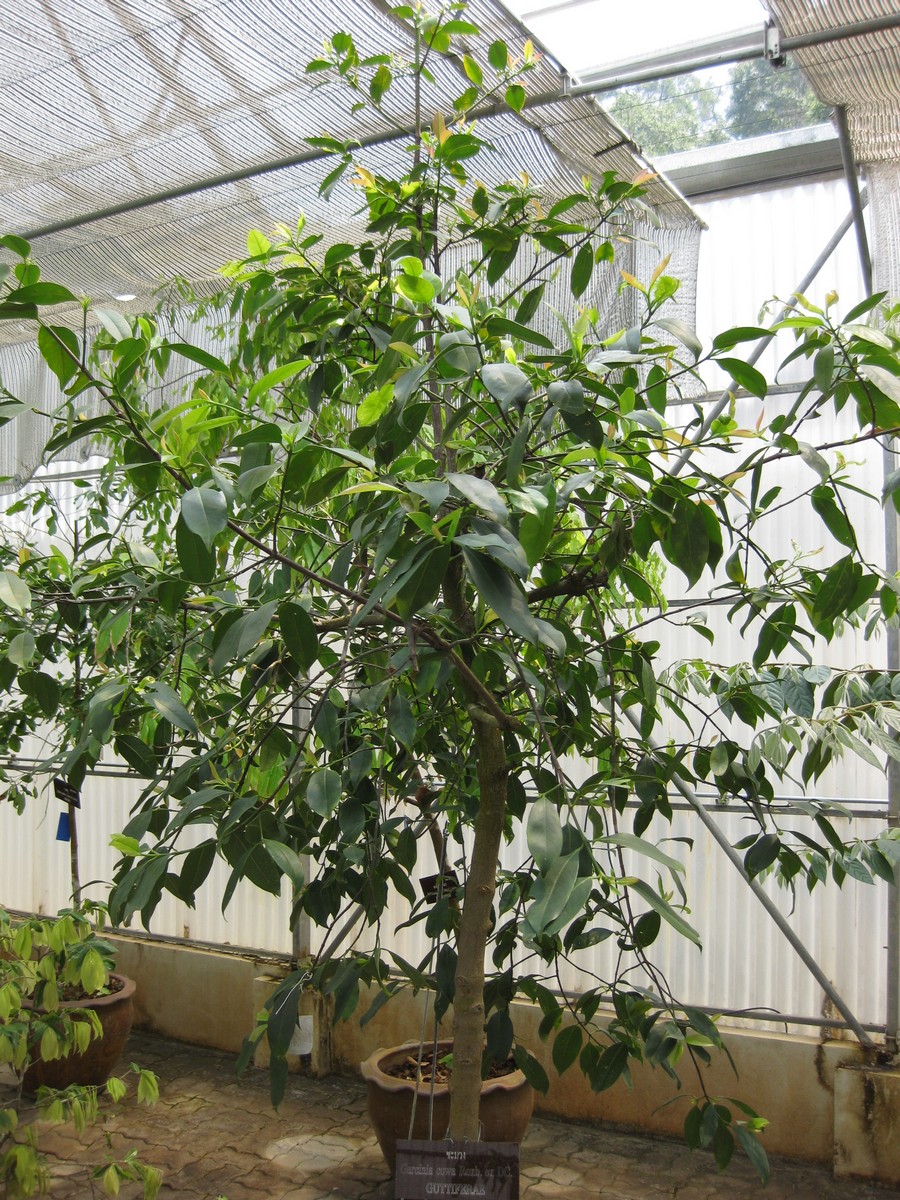
Garcinia cowa yellow
A yellow dye from the bark of the Garcinia cowa tree in tropical AsiaColour named from nature · 🇮🇳 India +5