Green earth
A natural green pigment from celadonite and glauconite, used since ancient Rome

Green earth is a mineral pigment made from celadonite and glauconite, producing a range of gentle yellow-greens to olive shades. Used since Roman times, it was valued in wall paintings and as an underpainting for flesh tones in medieval art. Major deposits are found in England, France, Cyprus, Germany, and near Verona, Italy.
Share on WhatsAppOpen in the lab
- Made from celadonite and glauconite minerals
- Used in Roman wall paintings at Pompeii
- Key underpainting pigment for flesh tones in medieval art
- Major deposits found near Verona, Italy
- Ranges from yellow-green to olive
What colour is Green earth?
Green earth is a mineral pigment that gives a soft, muted green, varying from yellowish green to pale grey-green or a dark olive shade. Unlike brighter greens, it appears earthy and matte, thanks to its natural mineral sources. Its subtle colour made it especially useful for artists who needed gentle, naturalistic greens rather than vivid tones.
Where does Green earth come from?
The pigment's name comes from its earthy green appearance and its mineral origins. It has been used since Roman times, with examples found at sites like Pompeii. The Italian name 'terre verte' and terms like 'Verona green' reflect its historical mining near Verona. Confusion has sometimes arisen with 'Veronese green', a much brighter, synthetic pigment from later centuries.
How is Green earth made?
Green earth is made by grinding the minerals celadonite and glauconite into a fine powder. These minerals are found in natural deposits, especially in regions such as Monte Baldo near Verona, as well as in England, France, Cyprus, and Germany. The pigment's exact shade can be adjusted by mixing in other minerals like haematite or calcite.
Where Green earth is used
Artists have used green earth mainly in painting, especially for wall murals and as an underlayer for flesh tones in medieval and Renaissance works. The pigment's gentle colour made it ideal for these purposes, and it was sometimes used as a base for gilding. Its use is well documented in Roman and later European art.
Green around the world
What the green family means from country to country.
Green is the colour of Alliance 90/The Greens, one of the first environmental parties to enter a national parliament, in 1983.
Politics and protestNature and renewalSource: Alliance 90/The GreensThe flag is green, white and red. A common reading gives green to the plains and hills, white to the snow of the Alps and red to the blood of the wars of unification.
Politics and protestHopeSource: Flag of ItalyA green kerchief is the sign of the campaign for legal abortion. Huge crowds wore it in 2018, and the movement was called the green wave.
Politics and protestHopeSource: Green scarfGreen and gold have been the official national colours since 1984 and are worn by national sports teams. They echo the leaves and flowers of the golden wattle.
Festival and celebrationPrideSource: National colours of AustraliaA Test cricketer is given a dark green cap, the baggy green, on first playing for Australia. Many players wear the same faded cap for a whole career.
Festival and celebrationPrideSource: Baggy greenThe green field of the flag stands for the land and its rice fields. Many people also read it as the youth and vigour of the country.
Nature and renewalPolitics and protestHopeSource: Flag of BangladeshShades and relatives of Green earth
Green earth is sometimes confused with Veronese green, which is a much brighter, emerald pigment from the 18th century. The natural pigment can range in colour depending on its mineral content and region of origin, from yellowish green to olive. Additives like haematite or Egyptian blue can shift its tone.
Colours that go with Green earth
Harmonies are worked out from the value #DADD98. Contrast ratios follow the WCAG 2 formula.
Questions people ask about Green earth
What colour is green earth?
Green earth is a muted green pigment that can appear as yellowish green, pale greenish grey, or dark olive, depending on its mineral source and any additives.
Where does the name 'green earth' come from?
The name refers to its earthy green colour and its origin as a natural mineral pigment, often called 'terre verte' in Italian.
What is green earth made from?
It is made by grinding the minerals celadonite and glauconite, which are found in natural deposits in places like Italy, England, France, Cyprus, and Germany.
How has green earth been used in art?
Green earth has been used since ancient Rome, especially in wall paintings and as an underpainting for flesh tones in medieval and Renaissance paintings.
Is green earth the same as Veronese green?
No, Veronese green is a much brighter, synthetic pigment from the 18th century, while green earth is a natural mineral pigment with a softer, muted green.
Good reading and sources
The facts on this page come from the Wikipedia article "Green earth", written by its contributors and used under the CC BY-SA 4.0 licence, and from its Wikidata record (CC0). Rang rewrote the text in its own words, with AI assistance, and compares every page with the article to make sure no passage is copied. It may be reused under the same CC BY-SA 4.0 licence with a link back.
It may contain mistakes. The swatch is an approximation: named colours are not fixed standards, and every screen shows them a little differently. If something is wrong, tell us. Last refreshed 2026-10-03.
More of the green family
All of green
Green
Malachite
A banded green mineral and pigment once prized for art and decorationColour named from nature · 🇪🇬 Egypt +4
#50C878
Paris Green
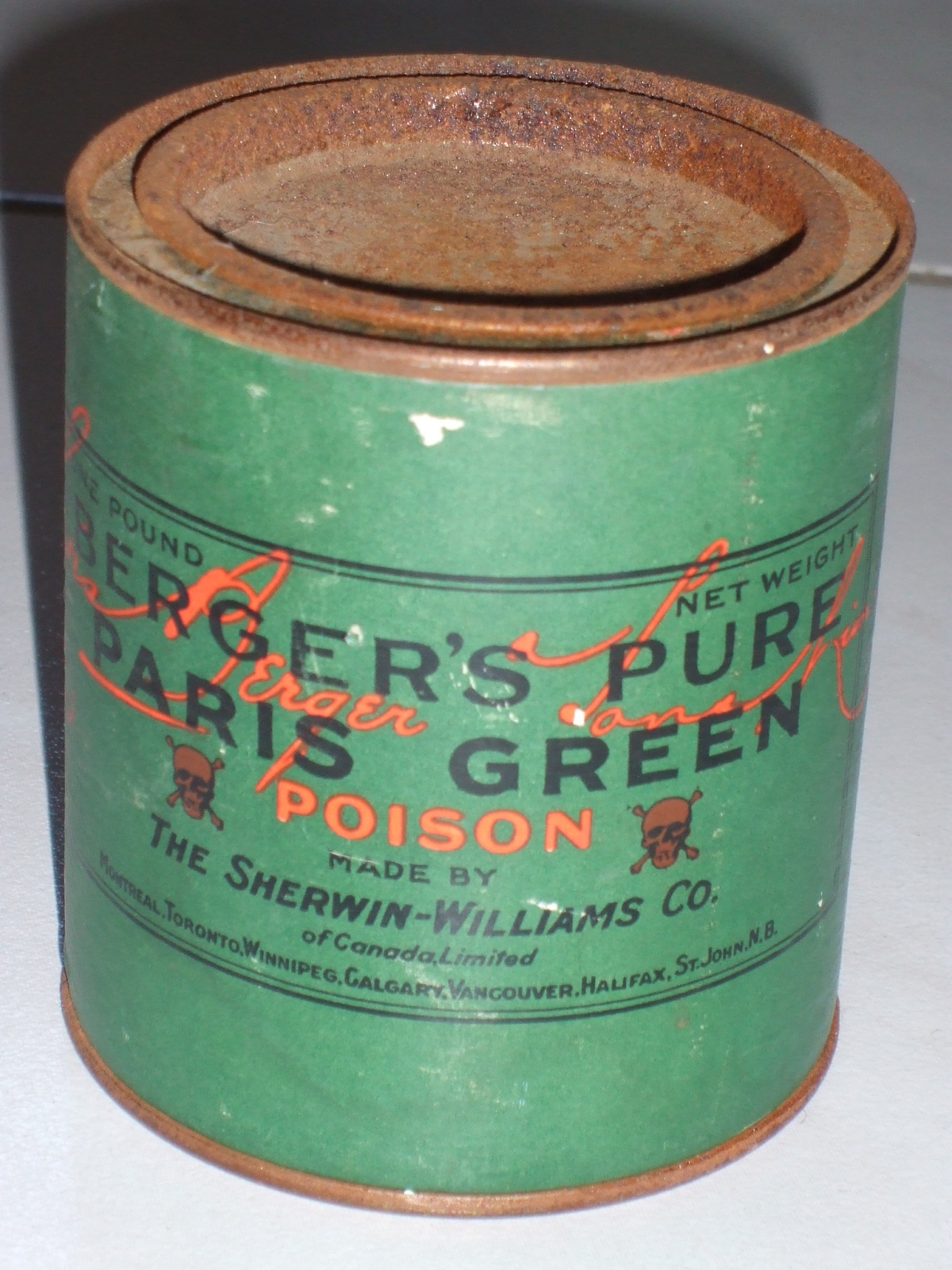
A toxic emerald-green pigment once prized in art and used as an early insecticidePigment · 🇩🇪 Germany +4
Green
Malachite green
A synthetic green dye once common for silk, now controversial in aquacultureDye · 🇨🇳 China +3

#43B3AE
Verdigris
A historic bluish-green pigment formed on copper and used in art since antiquityPigment · 🇬🇷 Greece +1

Green
Celadon青瓷
A jade-green ceramic glaze prized in East Asian pottery for centuriesNamed shade · 🇨🇳 China +4

Green
Scheele's green
A yellowish-green pigment once prized for its brilliance, now infamous for its toxicityPigment

#40826D
Viridian
A blue-green pigment made from hydrated chromium oxide, valued in painting since the 1800sPigment

Green
Jade
A decorative stone prized for its green shades and cultural meaning across continentsColour named from nature · 🇨🇳 China +5
More colours tied to Italy
The colours of Italy
Blue
Lapis lazuli
A deep blue stone prized for jewellery and the source of ultramarine pigmentColour named from nature · 🇦🇫 Afghanistan +5

#FF00FF
Magenta
A purplish-pink colour named after a battle and key to modern printingNamed shade · 🇫🇷 France +4

Blue
Woad
A blue dye once vital to Europe's textile trade, made from the leaves of a flowering plantDye · 🇫🇷 France +3
#120A8F
Ultramarine
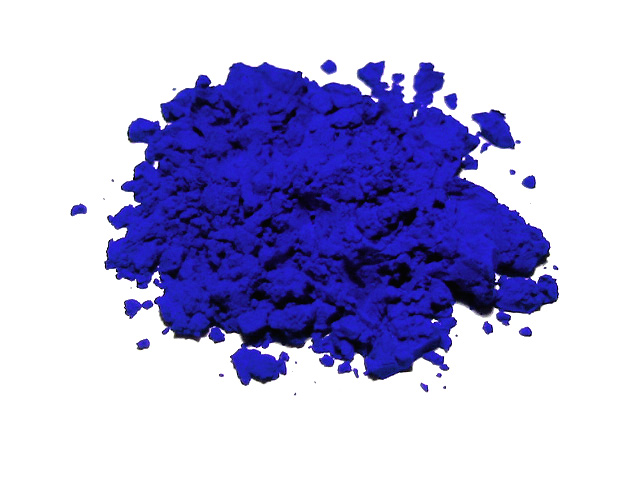
A deep blue pigment once made from lapis lazuli, prized for centuries in artPigment · 🇦🇫 Afghanistan +2