Cephalopod ink
A dark liquid from sea creatures, once used in pens and now in Mediterranean and Japanese food
No single value: Cephalopod ink is a material, and its colour varies. The background shows its family, black.

Cephalopod ink is a dark liquid released by many sea animals like squid, octopus, and cuttlefish to avoid predators. Its colour varies by species, from black to brown to blue-black, and it has been used for writing and as a food ingredient in places such as Japan, Italy, and Spain.
- Cephalopod ink is mainly made of melanin and mucus.
- Octopus, squid, and cuttlefish each produce ink in different shades.
- Used in Mediterranean and Japanese cooking for colour and flavour.
- Historically used as ink for writing and drawing.
- Some deep-sea species can release luminous ink.
What colour is Cephalopod ink?
Cephalopod ink is a dark or sometimes glowing liquid released by sea animals such as squid, octopus, and cuttlefish. Its main ingredient is melanin, which gives it a deep colour. The exact shade depends on the animal: octopus ink is usually black, cuttlefish ink is brown, and squid ink tends to be blue-black. Some rare species can even produce luminous ink. This ink is used as a defence, helping these animals escape from predators.
Where does Cephalopod ink come from?
The name 'cephalopod ink' comes from the group of animals that make it. The word 'sepia' is linked to cuttlefish and the brown colour of their ink. People have used this ink for writing in the past, and its connection to art and food continues in some cultures. The ink is made inside the animal and released when it feels threatened.
How is Cephalopod ink made?
Cephalopod ink is formed in special sacs inside the animal, located between the gills. When the animal is alarmed, it releases the ink, often with a burst of water to spread it quickly. The ink contains melanin, mucus, and other chemicals such as tyrosinase, dopamine, and several amino acids. In food, the ink is collected from these sacs after the animal is caught.


Where Cephalopod ink is used
In the past, this ink was used for writing and drawing, giving rise to the term 'sepia' for a brownish tone in art. Today, it is mostly used in cooking, especially in Japan, Italy, and Spain, where it flavours and colours dishes like pasta and sauces. The ink is also sometimes used to dye dough for dumplings in China, though this is less common.
Black around the world
What the black family means from country to country.
Under Philip II in the sixteenth century, plain black became the dress of the Spanish court and was copied across Europe. The deep black dye came from logwood shipped from the Americas.
Royalty and powerMourning and deathSource: BlackThe Blackshirts were the armed squads of Mussolini's Fascist movement. Black shirts were later copied by fascist groups in other countries.
Politics and protestDanger and warningFearSource: BlackshirtsMourners wear plain black, called mofuku, to funerals, and men add a black tie. Condolence money goes in an envelope tied with black and white cord.
Mourning and deathGriefSource: Japanese funeralThe black eagle gives the country its own name for itself: Shqiperia is commonly read as the land of the eagles.
Politics and protestPrideSource: AlbaniaBlack and yellow were the colours of the Habsburg monarchy. They come from the black double-headed eagle on a gold ground used by the Holy Roman Emperors.
Royalty and powerSource: Flag of the Habsburg monarchyThe black upper half of the Aboriginal flag stands for the Aboriginal people of Australia.
Politics and protestPrideSource: Australian Aboriginal flagShades and relatives of Cephalopod ink
The colour of cephalopod ink changes with the species: octopus ink is typically black, cuttlefish ink is brown, and squid ink is blue-black. There are also rare cases of glowing ink in some deep-sea species. The term 'sepia' refers to the brown shade from cuttlefish ink, which has also become a name for a colour in art.
Questions people ask about Cephalopod ink
What colour is cephalopod ink?
The colour depends on the species: octopus ink is black, cuttlefish ink is brown, and squid ink is blue-black. Some rare species can produce ink that glows.
Where does the name 'sepia' come from?
The name 'sepia' is linked to the brown ink of cuttlefish and has become a term for a brownish colour in art.
How is cephalopod ink used by humans?
It was once used as ink for pens and quills. Today, it is mostly used in food, especially in Japan, Italy, and Spain, to add colour and flavour to dishes.
What is cephalopod ink made of?
The main components are melanin and mucus, with smaller amounts of chemicals like tyrosinase, dopamine, and various amino acids.
Why do cephalopods release ink?
They release ink to escape predators, either by hiding in a dark cloud or by creating shapes that confuse their attackers.
Good reading and sources
- Cephalopod ink on WikipediaEncyclopedia
- More pictures on Wikimedia CommonsPictures
- Wikidata recordOpen data
The facts on this page come from the Wikipedia article "Cephalopod ink", written by its contributors and used under the CC BY-SA 4.0 licence, and from its Wikidata record (CC0). Rang rewrote the text in its own words, with AI assistance, and compares every page with the article to make sure no passage is copied. It may be reused under the same CC BY-SA 4.0 licence with a link back.
It may contain mistakes. The swatch is an approximation: named colours are not fixed standards, and every screen shows them a little differently. If something is wrong, tell us. Last refreshed 2026-10-03.
More of the black family
All of black
Black
India ink
A deep black ink made from carbon soot, used for writing, drawing and calligraphyPigment · 🇨🇳 China +1

Black
Kohlكُحْل
A dark eye cosmetic made from minerals like galena and stibniteTraditional colour · 🇪🇬 Egypt +5
Black
Carbon black
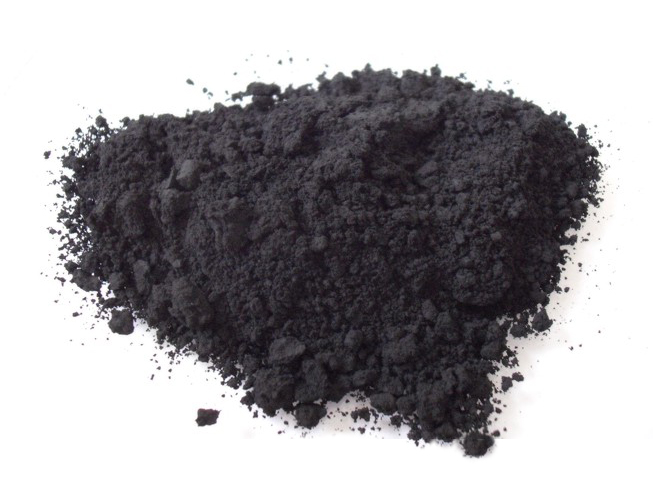
A deep black pigment and filler made by burning carbon-rich materials with little airPigment

Black
Vantablack
A super-black coating made from carbon nanotubes that absorbs nearly all visible lightPigment

Black
Bone char
A deep black pigment and filter made by charring animal bonesPigment

Black
Magnetite
A naturally magnetic black mineral and a major source of ironColour named from nature

Black
Ebony
A jet-black hardwood valued for its smooth finish and rarityColour named from nature · 🇪🇬 Egypt +5
Black
Onyx
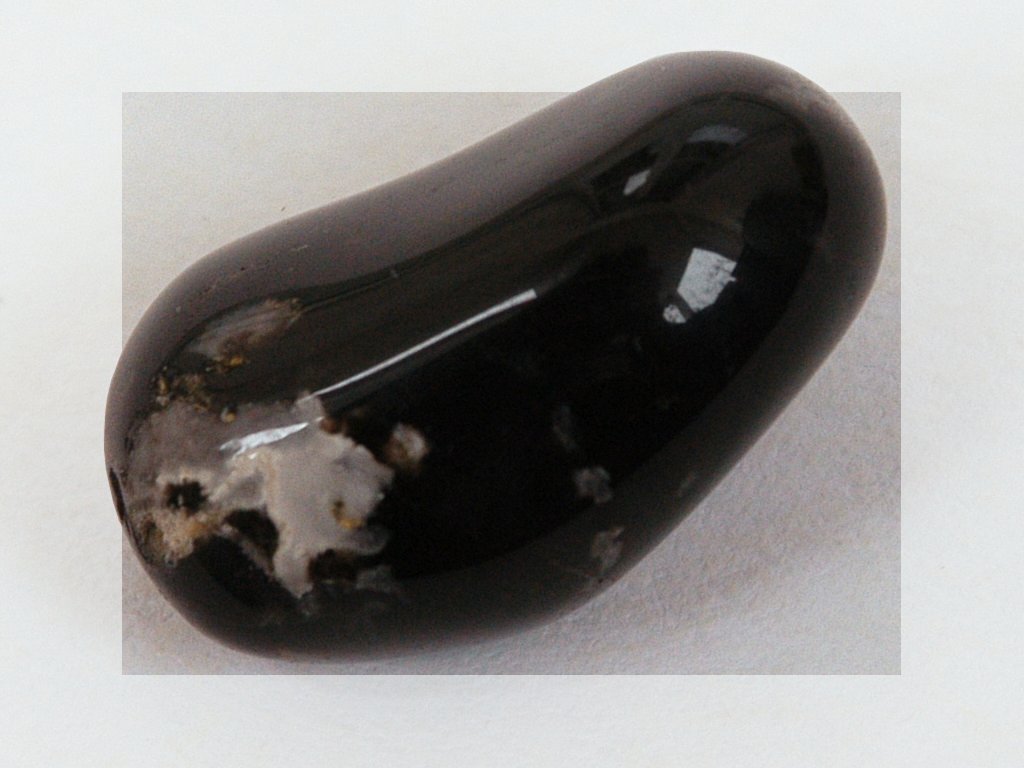
A banded stone, usually black and white, prized for carving and jewelleryColour named from nature · 🇲🇽 Mexico +5
More colours tied to Japan
The colours of Japan
#FF0000
Red
A primary colour seen in light, pigment, and tradition worldwideBasic colour · 🇺🇸 United States +5

#800080
Purple
A cool colour between red and blue, long linked with royalty and rarityBasic colour · 🇱🇧 Lebanon +5
#6A5DFF
Indigo
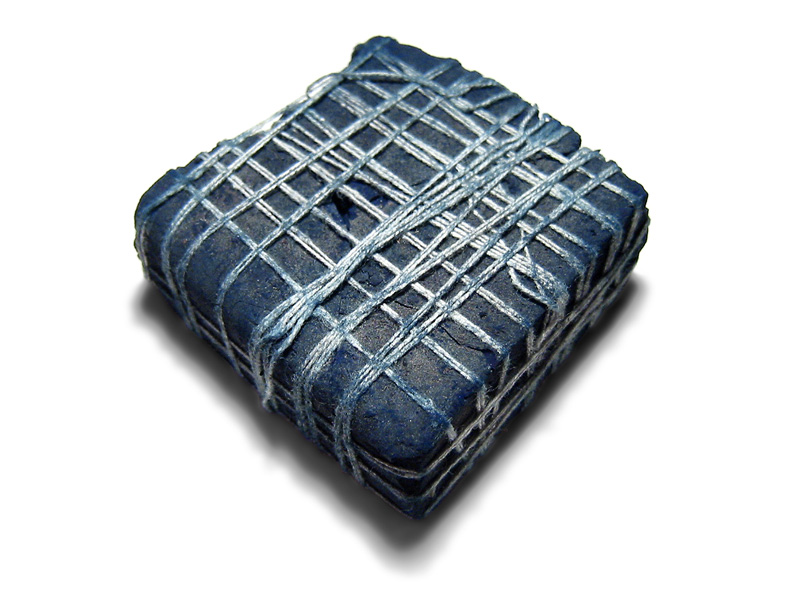
A deep blue named for the dye once exported from IndiaNamed shade · 🇮🇳 India +5

Blue
Azurite
A deep blue copper mineral once prized as a pigment and gemstonePigment · 🇫🇷 France +5