Feldgrau
A green-grey shade long used for military uniforms in Germany and beyond

Feldgrau is a greenish-grey colour most recognised as the main shade of German military uniforms from the early 1900s to the late 20th century. Its use spread to other countries' armies, with each adopting their own versions. The name means 'field-grey' in German and refers to its practical, muted tone.
Share on WhatsAppOpen in the lab
- Feldgrau means 'field-grey' in German
- First issued for Prussian uniforms in 1907
- Became standard for German armies in both World Wars
- Adopted by Austria, Sweden, Finland, Chile, Portugal and Italy
- Shades ranged from light grey to brownish green
What colour is Feldgrau?
Feldgrau is a green-grey colour, sitting between grey and olive on the spectrum. It is most often linked to military uniforms, especially those of Germany in the 20th century. Its muted, earthy tone was chosen for practicality, helping soldiers blend into European landscapes. Feldgrau stands apart from plain grey by its greenish tinge, and from olive by being less yellow.
Where does Feldgrau come from?
The name feldgrau comes from German, meaning 'field-grey'. It was first issued as a uniform colour in Prussia in 1907, spreading to other German states and then to Austria and other countries. Before feldgrau, German soldiers wore more colourful uniforms, such as Prussian blue or light blue. The shift to feldgrau marked a move towards less conspicuous dress for field use.


Where Feldgrau is used
Feldgrau became the standard colour for German military uniforms from 1910, replacing brighter dress for field and manoeuvre use. It was later adopted by Austria, Sweden, Finland, Portugal, Italy and Chile, each with their own variations. The shade changed over time, especially during World War I, from lighter to darker green-grey as materials and needs shifted. Today, feldgrau still appears in some ceremonial and service uniforms.
Green around the world
What the green family means from country to country.
Green is the colour of Alliance 90/The Greens, one of the first environmental parties to enter a national parliament, in 1983.
Politics and protestNature and renewalSource: Alliance 90/The GreensThe flag is green, white and red. A common reading gives green to the plains and hills, white to the snow of the Alps and red to the blood of the wars of unification.
Politics and protestHopeSource: Flag of ItalyThe green of the flag stands for hope. Green and red were the colours of the republican movement and replaced the blue and white of the monarchy.
Politics and protestHopeSource: Flag of PortugalA green kerchief is the sign of the campaign for legal abortion. Huge crowds wore it in 2018, and the movement was called the green wave.
Politics and protestHopeSource: Green scarfGreen and gold have been the official national colours since 1984 and are worn by national sports teams. They echo the leaves and flowers of the golden wattle.
Festival and celebrationPrideSource: National colours of AustraliaA Test cricketer is given a dark green cap, the baggy green, on first playing for Australia. Many players wear the same faded cap for a whole career.
Festival and celebrationPrideSource: Baggy greenShades and relatives of Feldgrau
Feldgrau has included a range of shades, from light grey to green-grey and even brownish tones, especially during wartime shortages. Related colours include steingrau (stone-grey), braungrau (brown-grey), and Hechtgrau (pike-grey). Italy's Grigio Verde and Finland's kenttäharmaa are similar shades used for military dress. Feldgrau is sometimes confused with plain grey or olive drab.
Colours that go with Feldgrau
Harmonies are worked out from the value #4D5D53. Contrast ratios follow the WCAG 2 formula.
Questions people ask about Feldgrau
What colour is feldgrau?
Feldgrau is a green-grey shade, sitting between grey and olive. It was chosen for its muted, practical look, especially for military uniforms.
Where does the name feldgrau come from?
The name comes from German and means 'field-grey'. It was first used for Prussian military uniforms in 1907.
Which countries have used feldgrau uniforms?
Feldgrau has been used by Germany, Austria, Sweden, Finland, Chile, Portugal and Italy, each with their own versions and shades.
How did feldgrau uniforms change over time?
The shade of feldgrau shifted from lighter grey to darker green-grey during World War I, with some uniforms even appearing brownish due to material shortages.
Is feldgrau still used today?
Some countries, such as Austria, still use feldgrau or similar shades for ceremonial or service uniforms.
Good reading and sources
The facts on this page come from the Wikipedia article "Feldgrau", written by its contributors and used under the CC BY-SA 4.0 licence, and from its Wikidata record (CC0). Rang rewrote the text in its own words, with AI assistance, and compares every page with the article to make sure no passage is copied. It may be reused under the same CC BY-SA 4.0 licence with a link back.
It may contain mistakes. The swatch is an approximation: named colours are not fixed standards, and every screen shows them a little differently. If something is wrong, tell us. Last refreshed 2026-10-03.
More of the green family
All of green
Green
Malachite
A banded green mineral and pigment once prized for art and decorationColour named from nature · 🇪🇬 Egypt +4

#808000
Olive
A dark yellowish green, like the colour of unripe olivesNamed shade
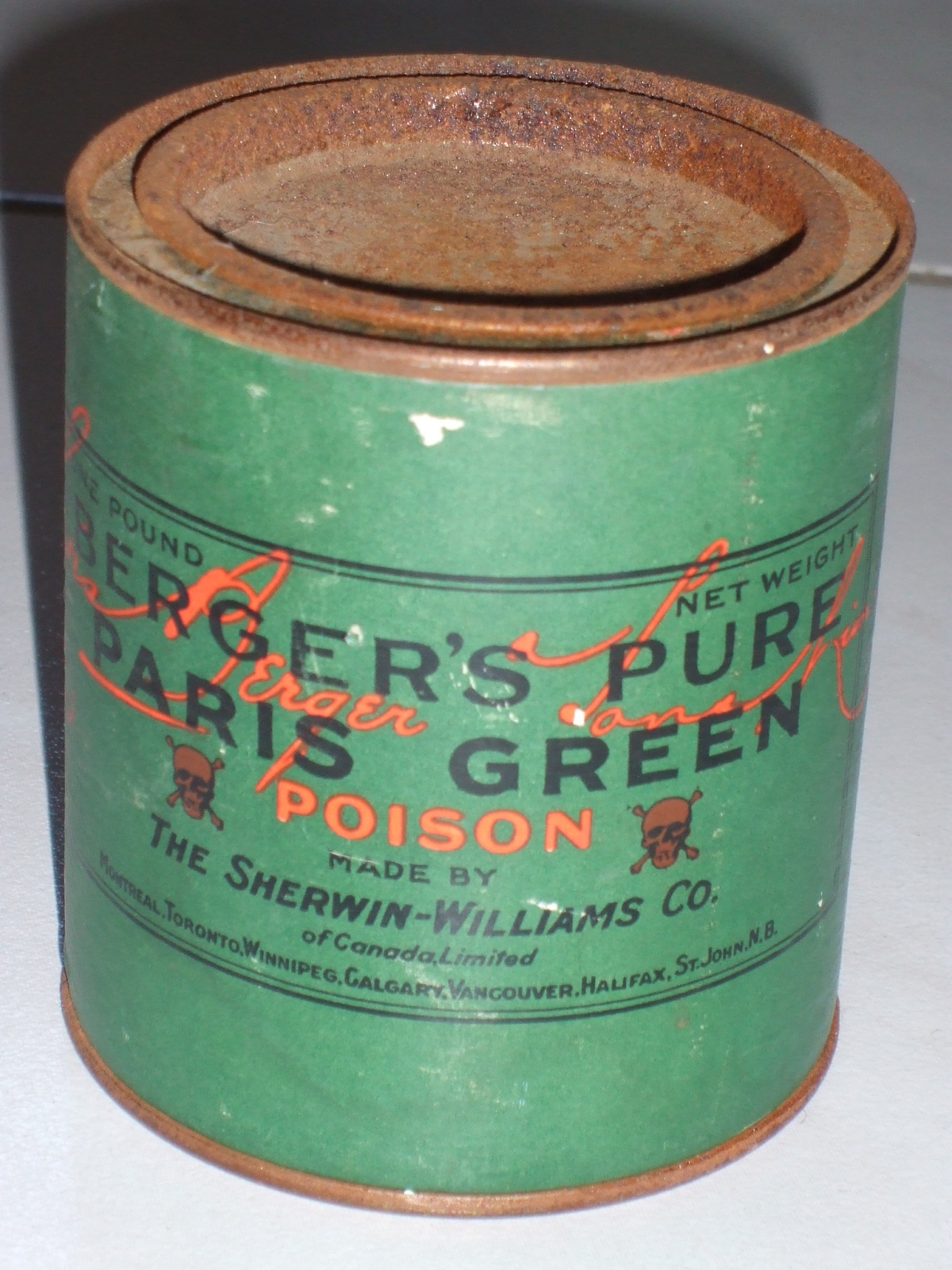
#50C878
Paris Green
A toxic emerald-green pigment once prized in art and used as an early insecticidePigment · 🇩🇪 Germany +4

#BFFF00
Lime
A sharp yellow-green named for the skin of the lime fruitNamed shade

#80FF00
Chartreuse
A bright yellow-green named after a French liqueurNamed shade

#43B3AE
Verdigris
A historic bluish-green pigment formed on copper and used in art since antiquityPigment · 🇬🇷 Greece +1

Green
Celadon青瓷
A jade-green ceramic glaze prized in East Asian pottery for centuriesNamed shade · 🇨🇳 China +4

Green
Scheele's green
A yellowish-green pigment once prized for its brilliance, now infamous for its toxicityPigment
More colours tied to Germany
The colours of Germany
#FF00FF
Magenta
A purplish-pink colour named after a battle and key to modern printingNamed shade · 🇫🇷 France +4

Brown
Aniline
A colourless oil that darkens with air and launched the first synthetic dyesPigment · 🇩🇪 Germany

Blue
Woad
A blue dye once vital to Europe's textile trade, made from the leaves of a flowering plantDye · 🇫🇷 France +3

#F5F5DC
Beige
A pale, warm colour named after natural, undyed woolNamed shade · 🇫🇷 France +2