Lazurite
A deep blue mineral that gives lapis lazuli its colour
No single value: Lazurite is a material, and its colour varies. The background shows its family, blue.

Lazurite is a mineral known for its rich blue to greenish-blue shades, forming most of the gemstone lapis lazuli. Its name comes from a Persian word for blue, and it has been valued for thousands of years as both a gemstone and a source of pigment.
- Main source of lapis lazuli's blue colour
- Mined in Afghanistan for over 6,000 years
- Used as a pigment in art and textiles
- Colour comes from sulfur compounds
- Closely related to hauyne and other sodalite group minerals
What colour is Lazurite?
Lazurite is a mineral that appears in deep blue, azure, violet-blue, or sometimes greenish blue tones. It is usually found in large masses rather than as distinct crystals, and is the main substance in lapis lazuli. Its colour stands out among blue minerals and is caused by certain sulfur compounds within its structure. Lazurite is brittle, translucent to opaque, and has a glass-like shine.
Where does Lazurite come from?
The name lazurite comes from the Persian word 'lajvard', meaning blue. It was first identified as a distinct mineral in 1890, in Afghanistan’s Sar-e-Sang region, but has been mined there for thousands of years. Historically, the term 'lazurite' was sometimes used for other blue minerals, like azurite, but it is now defined more precisely. The mineral is found in several places, including Siberia, Italy, Myanmar, Canada, and the United States.
How is Lazurite made?
Lazurite forms when limestone is changed by heat and contact with other rocks, a process called contact metamorphism. It is part of the sodalite group and contains sodium, calcium, sulfur, sulfate, chloride, and other elements. The blue colour comes from sulfur-based ions in its structure. It is often found with minerals like calcite and pyrite.
Where Lazurite is used
Lazurite has been used for thousands of years as the main ingredient in lapis lazuli, which is carved for jewellery and ground to make blue pigment for art. Since at least the early medieval period, it has also been used to dye cloth. Its vivid blue was highly prized and often used in important artworks.
Blue around the world
What the blue family means from country to country.
Lapis lazuli has been mined in the mountains of Badakhshan for more than six thousand years. Ground to powder it gave ultramarine, the costliest blue in European painting.
Royalty and powerSacred and holyAweSource: Lapis lazuliThe chadari is a full-length covering for women with a mesh panel over the eyes. In Kabul and the north it is most often a light blue.
Protection and healingSource: BurqaThe flag of Quebec, the Fleurdelise, is blue with a white cross and four white lilies. Blue is the colour of Quebec nationalism and of the Parti Quebecois.
Politics and protestPrideSource: Flag of QuebecThe flag's colours have no official meaning. For the Great Seal of 1782, though, blue was said to stand for vigilance, perseverance and justice, white for purity and red for hardiness and valour.
Politics and protestTrustSource: Flag of the United StatesThe blue band of the flag stands for the wish of the Armenian people to live under peaceful skies. The red above it is for the highlands and the struggle to survive.
Politics and protestHopeSource: Flag of ArmeniaThe flag is sky blue, white and sky blue, created by Manuel Belgrano in 1812. National teams are called the Albiceleste, the white and sky blue.
Politics and protestPrideSource: Flag of ArgentinaShades and relatives of Lazurite
Lazurite is sometimes mistaken for other blue minerals, such as azurite or lazulite, but they can be told apart by their different chemical makeups and physical properties. Hauyne is a closely related mineral with a similar structure but usually shows a lighter blue streak. The definition of lazurite was updated in 2021 to reflect its chemical composition more accurately.
Questions people ask about Lazurite
What colour is lazurite?
Lazurite is most often a deep blue, but can also appear azure, violet-blue, or greenish blue. Its colour is caused by sulfur-based ions within the mineral.
Where does the name lazurite come from?
The name comes from the Persian word 'lajvard', which means blue. It reflects the mineral’s striking colour.
What is lazurite used for?
Lazurite is the main component of lapis lazuli, which is used for jewellery and as a blue pigment in painting and dyeing textiles.
Where is lazurite found?
It is mainly found in Afghanistan’s Sar-e-Sang region, but also occurs in Siberia, Italy, Myanmar, Canada, and the United States.
How is lazurite different from similar blue minerals?
Lazurite can be confused with azurite or lazulite, but differs in chemical composition and physical properties. It is closely related to hauyne, but usually shows a brighter blue streak.
Good reading and sources
The facts on this page come from the Wikipedia article "Lazurite", written by its contributors and used under the CC BY-SA 4.0 licence, and from its Wikidata record (CC0). Rang rewrote the text in its own words, with AI assistance, and compares every page with the article to make sure no passage is copied. It may be reused under the same CC BY-SA 4.0 licence with a link back.
It may contain mistakes. The swatch is an approximation: named colours are not fixed standards, and every screen shows them a little differently. If something is wrong, tell us. Last refreshed 2026-10-03.
More of the blue family
All of blue
Blue
Lapis lazuli
A deep blue stone prized for jewellery and the source of ultramarine pigmentColour named from nature · 🇦🇫 Afghanistan +5

Blue
Azurite
A deep blue copper mineral once prized as a pigment and gemstonePigment · 🇫🇷 France +5

Blue
Woad
A blue dye once vital to Europe's textile trade, made from the leaves of a flowering plantDye · 🇫🇷 France +3
Blue
Indigo
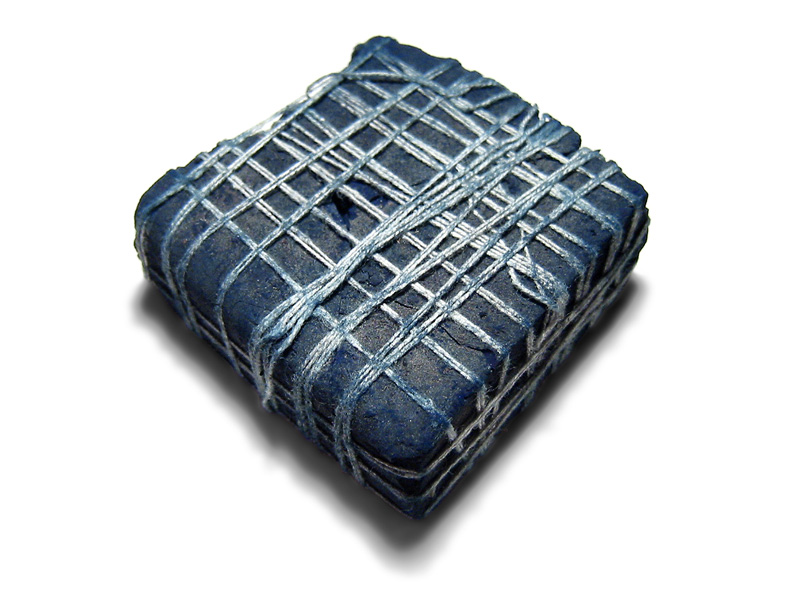
A deep blue dye from plants, now mostly made synthetically and known for colouring denimDye · 🇮🇳 India +5
Blue
Methylene blue
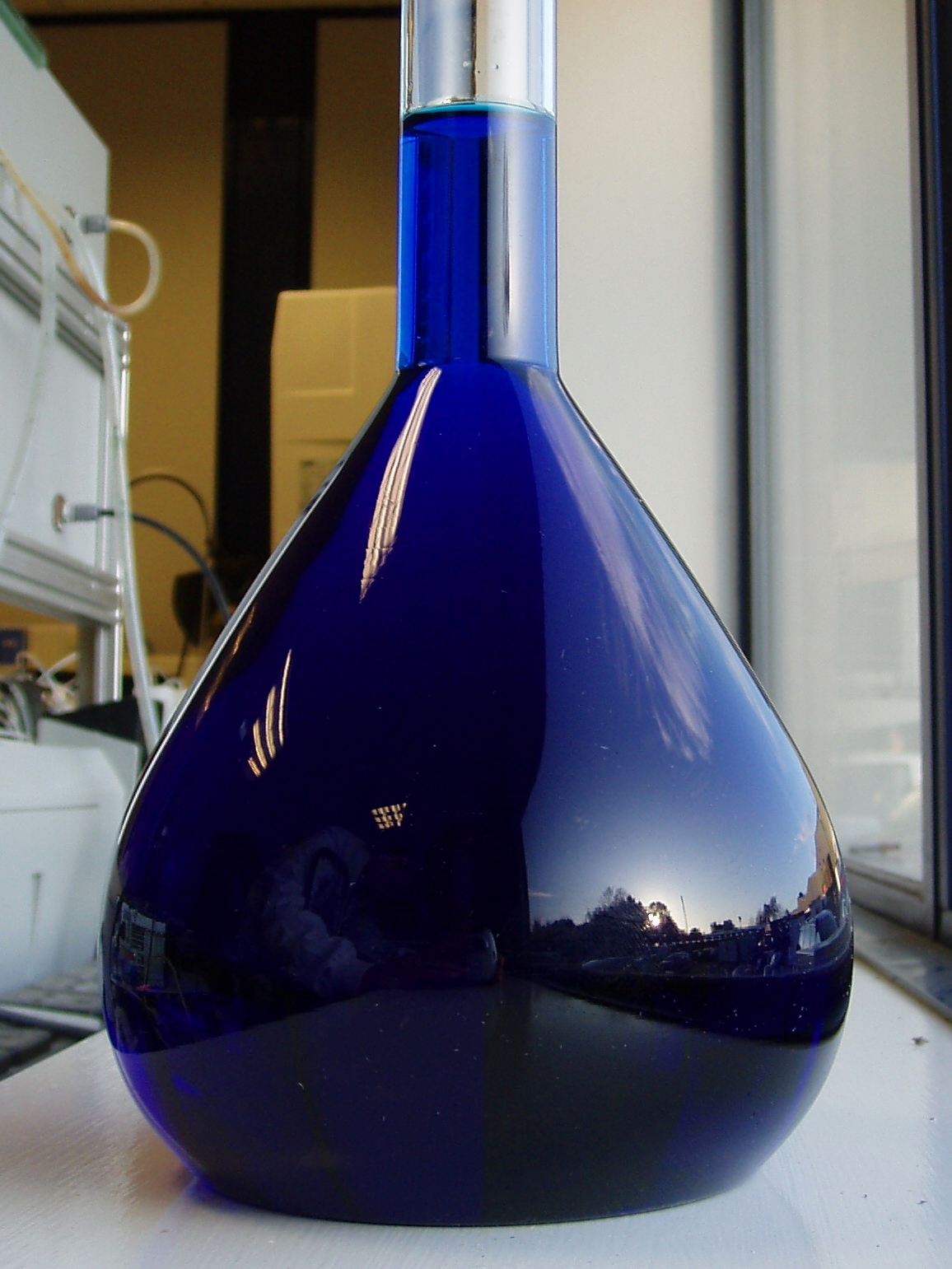
A synthetic blue dye and medicine first made in 1876Dye
#120A8F
Ultramarine
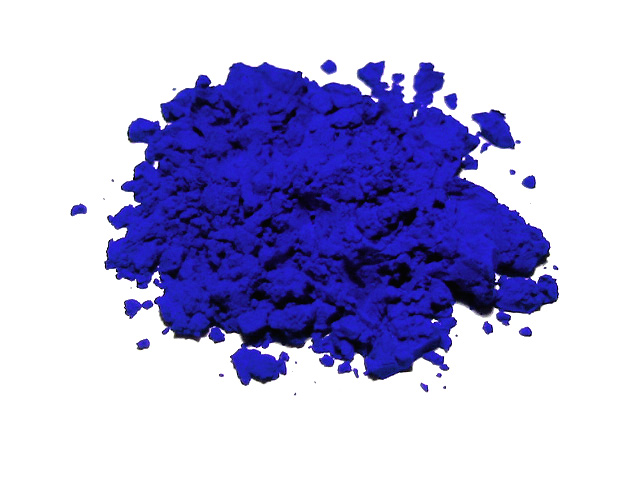
A deep blue pigment once made from lapis lazuli, prized for centuries in artPigment · 🇦🇫 Afghanistan +2

#003153
Prussian blue
A deep blue pigment first made in Berlin in the early 1700sPigment · 🇯🇵 Japan

Blue
Haematoxylin
A natural dye from logwood, best known for staining cell nuclei in histologyDye · 🇵🇭 Philippines
More colours tied to Afghanistan
The colours of Afghanistan
#1C39BB
Persian blue
A vivid blue inspired by Persian tiles and lapis lazuliNamed shade · 🇮🇷 Iran +1

Blue
Blue
A colour long prized in art, faith and dress, from ancient Egypt to modern flagsBasic colour · 🇪🇬 Egypt +5
#00488B
Marian blue
A deep blue shade linked with images of the Virgin Mary in Christian artNamed shade · 🇦🇫 Afghanistan

Blue
Blue pigment
Pigments that give blue colour to paints, inks, and art from ancient times to todayPigment · 🇪🇬 Egypt +5