Royal blue
A strong, deep blue linked with royalty and national flags
Royal blue is a rich, intense blue that has long been tied to royalty and national identity. Its traditional form is a dark blue, but on screens it appears much brighter. The colour has been used in uniforms, flags, and sports teams, and is recognised in various standards and codes.
Share on WhatsAppOpen in the lab
- Royal blue is a key colour in the Union Jack and other national flags.
- The traditional shade is much darker than the web version.
- French royal guards wore royal blue uniforms from the 16th century.
- Royal blue is used by many sports teams around the world.
- It is defined by several standards, including Pantone and British Standard codes.
What colour is Royal blue?
Royal blue stands out as a bold, saturated blue that is darker than most blues but not as dark as navy. It is striking and easily noticed, which has made it popular for uniforms and flags. The traditional version is a deep blue, while the web version is much lighter and brighter. Its strong, clear tone sets it apart from other blues used in similar contexts.
Where does Royal blue come from?
The name 'royal blue' comes from its early use among European nobility, especially in France, where blue dyes were rare and costly. The colour became linked with the French monarchy from the early sixth century and was worn by royal guards and soldiers. Over time, it spread to other countries and became a symbol of authority and national pride.
How Royal blue is defined
Royal blue is now defined by colour standards rather than a single dye or pigment. Traditional royal blue was once made using plant-based dyes like woad, but today it is set by codes such as Pantone 280 C and web colour standards. The web version, chosen for digital use, is much lighter than the traditional shade.
Where Royal blue is used
Royal blue features in many national flags, including the Union Jack and those based on the Blue Ensign. It appears in the flag of the Philippines to represent peace. The colour is also seen in military and sports uniforms, such as those of French regiments, football clubs, and American sports teams. It is used in branding for universities and appears in digital design as a web colour.
What Royal blue means
Royal blue is closely associated with royalty and national identity, especially in France and the United Kingdom. In the Philippines, it stands for peace when used in the flag. The colour’s use in uniforms and official symbols reinforces its link to authority and tradition.
Blue around the world
What the blue family means from country to country.
To be true blue is to be honestly and loyally Australian. The phrase is older than the country, but Australians have made it their own.
Politics and protestTrustSource: True Blue (John Williamson song)The Torres Strait Islander flag has a blue band for the sea between green bands for the land. A white dhari, a dancer's headdress, sits at the centre.
Politics and protestNature and renewalSource: Torres Strait Islander flagBlue was the colour of the French kings, whose arms were gold lilies on blue. It is the first band of the tricolour, and national sports teams are called Les Bleus.
Politics and protestRoyalty and powerPrideSource: Bleu de France (colour)The flag is red, white and blue, the Pan-Slavic colours, with the chequered shield at the centre under a crown of five older regional arms.
Politics and protestSource: Flag of CroatiaThe blue band of the flag stands for peace, truth and justice. The exact shade has changed over the years and was fixed as royal blue by law in 1998.
Politics and protestSource: Flag of the PhilippinesThe flag's colours have no official meaning. For the Great Seal of 1782, though, blue was said to stand for vigilance, perseverance and justice, white for purity and red for hardiness and valour.
Politics and protestTrustSource: Flag of the United StatesShades and relatives of Royal blue
Queen blue is a lighter, medium version of royal blue, first named in English in 1926. Imperial blue is sometimes used as another name for royal blue, though Pantone also lists it as a separate shade. Royal blue is sometimes confused with navy or cobalt blue, but it is generally brighter than navy and deeper than standard blue.
Colours that go with Royal blue
Harmonies are worked out from the value #002366. Contrast ratios follow the WCAG 2 formula.
Questions people ask about Royal blue
What colour is royal blue?
Royal blue is a strong, deep blue. The traditional version is dark and rich, while the web version is much brighter.
Where does the name royal blue come from?
The name comes from its early use by European royalty, especially in France, where blue was rare and expensive.
How is royal blue used in flags?
Royal blue appears in the Union Jack and flags based on it, as well as in the flag of the Philippines, where it symbolises peace.
Is royal blue the same as navy blue?
No, royal blue is generally lighter and more vivid than navy blue, which is much darker.
How is royal blue defined today?
It is set by colour standards like Pantone 280 C for traditional use and a lighter web colour for screens.
Good reading and sources
- Royal blue on WikipediaEncyclopedia
- More pictures on Wikimedia CommonsPictures
- Wikidata recordOpen data
The facts on this page come from the Wikipedia article "Royal blue", written by its contributors and used under the CC BY-SA 4.0 licence, and from its Wikidata record (CC0). Rang rewrote the text in its own words, with AI assistance, and compares every page with the article to make sure no passage is copied. It may be reused under the same CC BY-SA 4.0 licence with a link back.
It may contain mistakes. The swatch is an approximation: named colours are not fixed standards, and every screen shows them a little differently. If something is wrong, tell us. Last refreshed 2026-10-03.
More of the blue family
All of blue
#0000FF
Blue
A primary colour seen in the sky and sea, used since ancient times in art and dyeBasic colour

Blue
Lapis lazuli
A deep blue stone prized for jewellery and the source of ultramarine pigmentColour named from nature · 🇦🇫 Afghanistan +5
#6A5DFF
Indigo
A deep blue named for the dye once exported from IndiaNamed shade · 🇮🇳 India +5

Blue
Azurite
A deep blue copper mineral once prized as a pigment and gemstonePigment · 🇫🇷 France +5

Blue
Woad
A blue dye once vital to Europe's textile trade, made from the leaves of a flowering plantDye · 🇫🇷 France +3
Blue
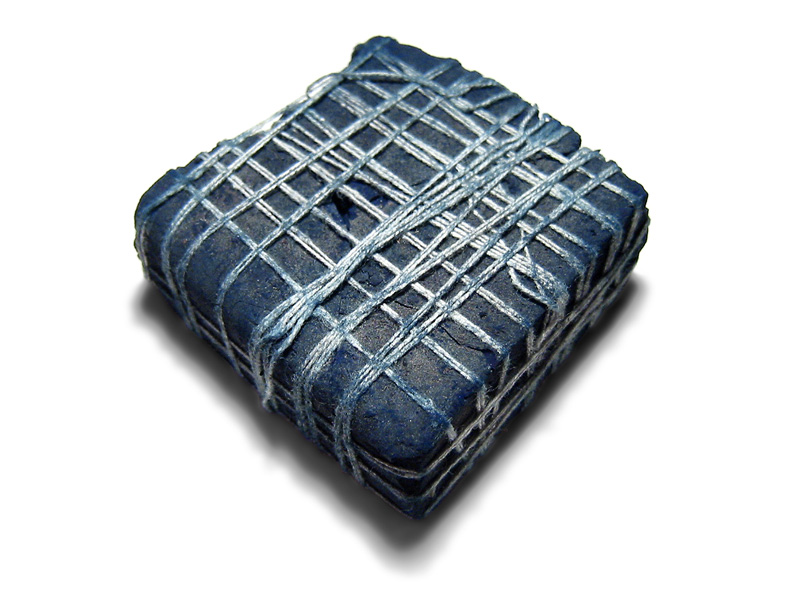
Indigo
A deep blue dye from plants, now mostly made synthetically and known for colouring denimDye · 🇮🇳 India +5
#120A8F
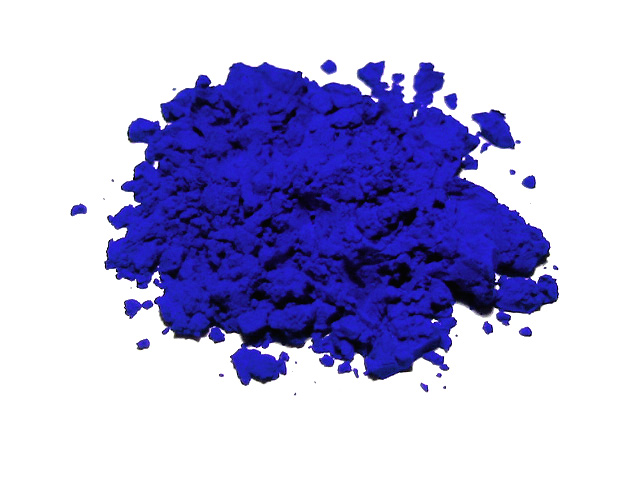
Ultramarine
A deep blue pigment once made from lapis lazuli, prized for centuries in artPigment · 🇦🇫 Afghanistan +2

#003153
Prussian blue
A deep blue pigment first made in Berlin in the early 1700sPigment · 🇯🇵 Japan
More colours tied to France
The colours of France
#FFFF00
Yellow
A primary colour between green and orange, seen in sunlight, leaves, and pigmentsBasic colour · 🇫🇷 France +5

#800080
Purple
A cool colour between red and blue, long linked with royalty and rarityBasic colour · 🇱🇧 Lebanon +5

#FF00FF
Magenta
A purplish-pink colour named after a battle and key to modern printingNamed shade · 🇫🇷 France +4

Brown
Terracotta
A clay-based material and colour, known for its reddish-brown toneColour named from nature · 🇮🇳 India +4