Strawberry
A bright red colour inspired by the ripe strawberry fruit

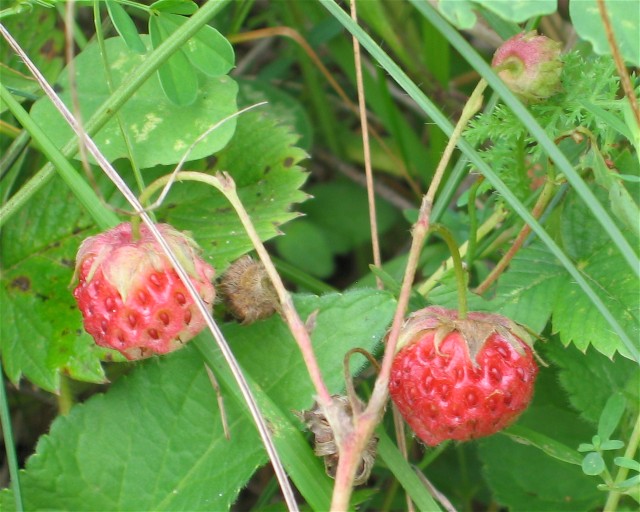
Strawberry is a vivid red shade that takes its name from the familiar garden fruit. The colour is linked to the pigment pelargonidin-3-glucoside, which gives ripe strawberries their striking appearance. The fruit and its colour have been celebrated in art and literature since Roman times, and the name comes from the hybrid plant first cultivated in France in the 18th century.
Share on WhatsAppOpen in the lab
- Strawberry red comes from the pigment pelargonidin-3-glucoside.
- The colour is inspired by the hybrid fruit first grown in France in the 18th century.
- Strawberry has been a symbol in European art and literature since Roman times.
- In digital media, strawberry is shown as #FA5053.
- The fruit’s colour is widely used in foods, cosmetics, and perfumes.
What colour is Strawberry?
Strawberry as a colour is a lively, saturated red, reflecting the look of the ripe fruit. The main pigment responsible for this hue in strawberries is pelargonidin-3-glucoside, an anthocyanin that gives the fruit its characteristic brightness. The colour stands out from other reds by its slightly pinkish undertone and its strong link to the familiar fruit, which is valued for both its taste and its visual appeal.
Where does Strawberry come from?
The name 'strawberry' for this colour comes from the garden strawberry, a hybrid plant first grown in Brittany, France, in the 18th century. This hybrid resulted from crossing two wild species: one from eastern North America and another from Chile. The fruit’s red colour has made it a symbol in art and literature for centuries, with references dating back to Roman poets and recurring in European paintings and stories.
How Strawberry is defined
The red colour of strawberries is due to natural pigments called anthocyanins, especially pelargonidin-3-glucoside. In digital media, 'strawberry' is represented by the hex code #FA5053. The fruit’s colour is sometimes used as a reference in food, cosmetics, and artificial flavourings, but there is no single standard for the shade outside of these uses.



Where Strawberry is used
Strawberry red appears in many areas: it is seen in the fruit itself, in foods like jams and desserts, and in artificial flavourings and fragrances. The colour is also used in cosmetics and perfumes to evoke the fruit’s sweetness and freshness. In art, strawberries and their colour have featured in paintings from the Renaissance to modern times, often symbolising fleeting pleasures.
What Strawberry means
Strawberries have carried different meanings in European culture. In medieval and early modern literature, the fruit sometimes stood for hidden dangers or risky pleasures, as seen in works by Virgil and Shakespeare. Later, the strawberry became associated with themes of sexuality. These meanings are specific to certain periods and cultures and are not universal.
Red around the world
What the red family means from country to country.
The copihue, a climbing plant with waxy red bell flowers, is the national flower. The men's football team plays in red and is called La Roja.
Nature and renewalPolitics and protestPrideSource: LapageriaRed stands for good fortune and happiness. Brides traditionally wear it, doors are hung with red couplets at New Year, and gifts of money come in red envelopes.
Luck and prosperityFestival and celebrationWeddings and marriageJoySource: Color in Chinese cultureThe national flag is red with five yellow stars. The red stands for the Communist revolution, and the same red runs through party banners and slogans.
Politics and protestPrideSource: Flag of ChinaThe red Phrygian cap, a soft cap with the tip pulled forward, became the sign of liberty in the Revolution. Marianne, the figure of the Republic, still wears it.
Politics and protestCourageSource: Phrygian capEach November people pin on a red paper poppy to remember those killed in war. The flower grew on the battlefields of Flanders in the First World War.
Protection and healingDanger and warningNostalgiaSource: Remembrance poppyRed is the colour of the Labour Party, whose symbol is a red rose, and blue the colour of the Conservatives. Election maps are drawn in the two.
Politics and protestSource: Political colourShades and relatives of Strawberry
There are many strawberry cultivars, each with slight differences in fruit colour. Some varieties produce white or pale fruit due to the absence of the main red pigment. Strawberry red is sometimes confused with other fruit-inspired reds, but its particular brightness and slight pink tinge set it apart from cherry or raspberry shades.
Colours that go with Strawberry
Harmonies are worked out from the value #FA5053. Contrast ratios follow the WCAG 2 formula.
Questions people ask about Strawberry
What colour is strawberry?
Strawberry is a bright, slightly pinkish red, matching the look of the ripe garden strawberry fruit. The colour comes from natural pigments found in the fruit.
Where does the name 'strawberry' for this colour come from?
The name comes from the garden strawberry, a hybrid plant first cultivated in Brittany, France, in the 18th century. The fruit’s red colour inspired the use of the name for this shade.
What gives strawberries their red colour?
The main pigment responsible is pelargonidin-3-glucoside, an anthocyanin found in the fruit. This pigment creates the vivid red associated with ripe strawberries.
How is strawberry red used?
The colour appears in foods, cosmetics, perfumes, and digital design. It is also referenced in art and literature, often symbolising pleasure or fleeting joys.
Are there different shades of strawberry?
Yes, different strawberry varieties can have slightly different colours, from deep red to pale or even white, depending on the pigments present in the fruit.
Good reading and sources
- Strawberry on WikipediaEncyclopedia
- More pictures on Wikimedia CommonsPictures
- Wikidata recordOpen data
The facts on this page come from the Wikipedia article "Strawberry", written by its contributors and used under the CC BY-SA 4.0 licence, and from its Wikidata record (CC0). Rang rewrote the text in its own words, with AI assistance, and compares every page with the article to make sure no passage is copied. It may be reused under the same CC BY-SA 4.0 licence with a link back.
It may contain mistakes. The swatch is an approximation: named colours are not fixed standards, and every screen shows them a little differently. If something is wrong, tell us. Last refreshed 2026-10-03.
More of the red family
All of red
Red
Cinnabar
A scarlet to brick-red mineral and the main source of mercury and vermilion pigmentColour named from nature · 🇪🇸 Spain +5

Red
Realgar
An orange-red arsenic sulfide mineral once used as a pigment and poisonPigment · 🇨🇳 China +5
Red
Carmine
A deep red pigment made from cochineal insects, once prized across continentsPigment · 🇫🇷 France +2

#E25822
Scarlet
A bright red with a touch of orange, long tied to power, sacrifice and sinNamed shade · 🇹🇷 Turkey +4

#E34234
Vermilion
A brilliant orange-red pigment, once made from toxic mercury orePigment · 🇹🇷 Turkey +5

Red
Rubia
A group of plants whose roots once dyed cloth and paint a lasting redColour named from nature · 🇪🇬 Egypt +5

#DC143C
Crimson
A deep red with a hint of purple, once made from insectsNamed shade · 🇳🇵 Nepal

#E32636
Alizarin
A deep red dye first made from madder roots, later produced from coal tarDye · 🇹🇷 Turkey +1
More colours tied to France
The colours of France
#FFFF00
Yellow
A primary colour between green and orange, seen in sunlight, leaves, and pigmentsBasic colour · 🇫🇷 France +5

#800080
Purple
A cool colour between red and blue, long linked with royalty and rarityBasic colour · 🇱🇧 Lebanon +5

#FF00FF
Magenta
A purplish-pink colour named after a battle and key to modern printingNamed shade · 🇫🇷 France +4

Brown
Terracotta
A clay-based material and colour, known for its reddish-brown toneColour named from nature · 🇮🇳 India +4