White lead
A historic opaque white pigment once made from lead and vinegar
No single value: White lead is a material, and its colour varies. The background shows its family, white.

White lead is a dense, opaque white pigment made from basic lead carbonate. Once valued in painting and cosmetics for its smoothness and covering power, it is now banned in most places due to its toxicity. Its use shaped art and industry for centuries before safer alternatives replaced it.
- Made from basic lead carbonate using lead, vinegar, and carbon dioxide
- Once used in painting, cosmetics, and ship maintenance
- Banned in most countries due to lead poisoning risk
- Described as early as 300 BC by Theophrastus
- Known by many names, including flake white and Cremnitz white
What colour is White lead?
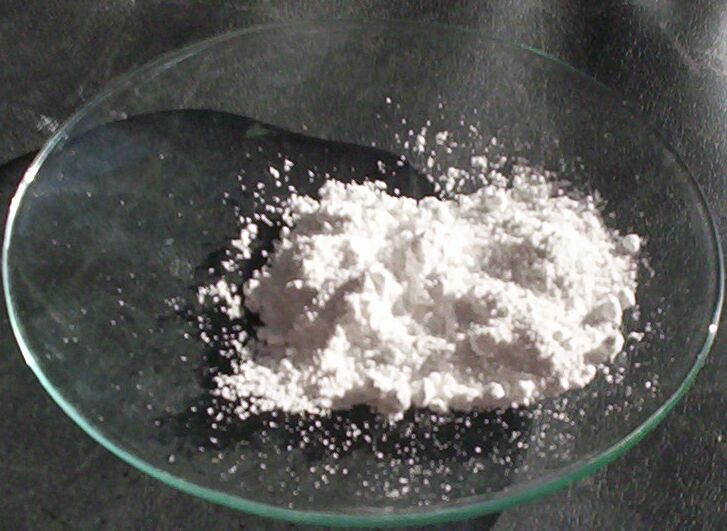
White lead is a pigment with a dense, opaque white appearance. It is made from a compound called basic lead carbonate, which contains both carbonate and hydroxide ions. In its natural mineral form, it is known as hydrocerussite. White lead stands out for its ability to create a satiny, smooth mixture with oils, making it prized in painting and cosmetics before safer whites were available.
Where does White lead come from?
The process for making white lead was described as early as 300 BC by Theophrastus. His method, which involved exposing lead to vinegar and scraping off the resulting white crust, was repeated for centuries. The pigment was known as cerussa in ancient times and used for both painting and cosmetics. Later, the Dutch method refined the process by corroding thin lead strips over vinegar and carbon dioxide sources such as dung.
How is White lead made?
Traditional white lead was produced by placing metallic lead over vinegar in pots, then stacking these pots with decaying organic matter to supply carbon dioxide. Over several weeks, the lead corroded to form a white crust, which was scraped, powdered, and sometimes milled with linseed oil. In the lab, it can be made by treating lead acetate with carbon dioxide or urea.


Where White lead is used
White lead was widely used in oil painting for its opacity and smoothness, as well as in cosmetics like Venetian ceruse. It was also applied to ship hulls and floors to waterproof wood and prevent pests. Today, its use is rare and heavily restricted due to health risks, and it has been replaced by safer whites such as titanium dioxide.
White around the world
What the white family means from country to country.
The Taliban flag is white with the Muslim declaration of faith in black. It replaced the black, red and green tricolour of the republic in 2021.
Politics and protestSacred and holySource: Flag of AfghanistanThe Mothers of the Plaza de Mayo wore white headscarves as they marched to demand news of children who disappeared under the dictatorship of 1976 to 1983.
Politics and protestMourning and deathCourageSource: Mothers of Plaza de MayoThe wiphala, a square flag of 49 small squares in seven colours with a white diagonal, stands for the Andean peoples. It has been a second national flag since 2009.
Politics and protestPrideSource: WiphalaOn New Year's Eve crowds on the beaches dress in white for peace in the year ahead. The custom comes from the Afro-Brazilian religions, whose followers wear white.
Luck and prosperityFestival and celebrationSacred and holyHopeSource: New Year's EveAn ordinary citizen's kabney is white with fringes. It must be worn to enter a dzong, the fortress that houses both monks and government offices.
Purity and peaceSource: KabneyA red cross on white, the Swiss flag reversed, marks medical staff and aid workers in war and must not be attacked under the Geneva Conventions.
Protection and healingTrustSource: Emblems of the International Red Cross and Red Crescent MovementShades and relatives of White lead
White lead has many synonyms, including flake white, Cremnitz white, and Dutch white lead. Other related compounds, such as lead soaps, were used as paint additives and drying agents. A second basic lead carbonate with a different formula also exists. Modern white pigments like titanium white have replaced white lead in most uses.
Questions people ask about White lead
What colour is white lead?
White lead is an opaque, dense white pigment. It was valued for its smooth, satiny appearance when mixed with oil.
Where does the name 'white lead' come from?
The name comes from its main ingredient, lead, and its white colour. It was also called cerussa in ancient times.
How was white lead traditionally made?
White lead was made by exposing metallic lead to vinegar and carbon dioxide, often from decaying organic matter, causing it to corrode into a white crust that was then scraped and ground into pigment.
Why is white lead no longer widely used?
Its use is banned or restricted in most countries because it can cause lead poisoning, which is harmful to health.
What replaced white lead in painting?
Titanium white and zinc oxide are now commonly used as safer white pigments in art and industry.
Good reading and sources
- White lead on WikipediaEncyclopedia
- More pictures on Wikimedia CommonsPictures
- Wikidata recordOpen data
The facts on this page come from the Wikipedia article "White lead", written by its contributors and used under the CC BY-SA 4.0 licence, and from its Wikidata record (CC0). Rang rewrote the text in its own words, with AI assistance, and compares every page with the article to make sure no passage is copied. It may be reused under the same CC BY-SA 4.0 licence with a link back.
It may contain mistakes. The swatch is an approximation: named colours are not fixed standards, and every screen shows them a little differently. If something is wrong, tell us. Last refreshed 2026-10-03.
More of the white family
All of white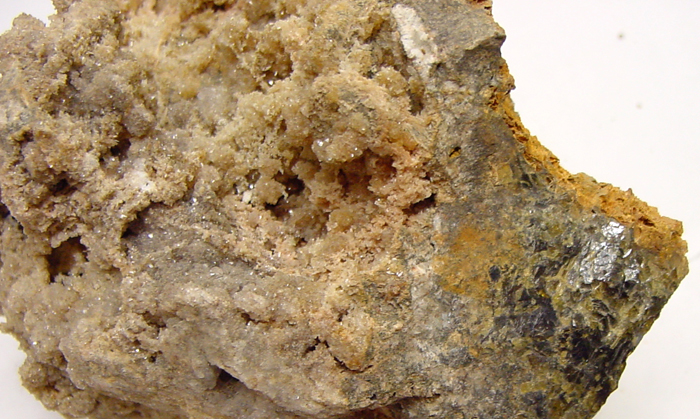
White
Zinc oxide
A white inorganic powder used in pigments, ointments, ceramics and electronicsPigment · 🇮🇳 India +2

#FDF8FF
Zinc white
A cool, low-toxicity white pigment made from zinc oxidePigment

#FFFEEF
Titanium white
A bright white pigment made from titanium dioxide, valued for its strong coveragePigment · 🇺🇸 United States +1

White
Lead white
A dense, opaque white pigment once used in art, home, and cosmetics worldwidePigment · 🇨🇳 China +2
White
Titanium dioxide
A brilliant white pigment made from titanium, used in paints, food and sunscreenPigment · 🇨🇳 China +5

White
Barium sulfate
A dense, white mineral used in pigments, X-rays, and industryPigment
White
Antimony trioxide
A white antimony compound used in flame retardants and glassmakingPigment · 🇨🇳 China +4
White
Zinc phosphate
A white inorganic compound used to protect metal and in dental cementPigment