Antimony trioxide
A white antimony compound used in flame retardants and glassmaking
No single value: Antimony trioxide is a material, and its colour varies. The background shows its family, white.
Antimony trioxide is a white inorganic compound with the formula Sb2O3, valued for its role in making materials less flammable and for its use in glass and ceramics. It appears in nature as two minerals and is produced mainly by oxidising antimony metal or ore, with China as the leading producer.
- Mainly used to make flame-retardant plastics and textiles
- Occurs naturally as senarmontite and valentinite minerals
- China is the world's largest producer
- Also used in glass, ceramics, and as a catalyst
- Classified as carcinogenic since 2021
What colour is Antimony trioxide?
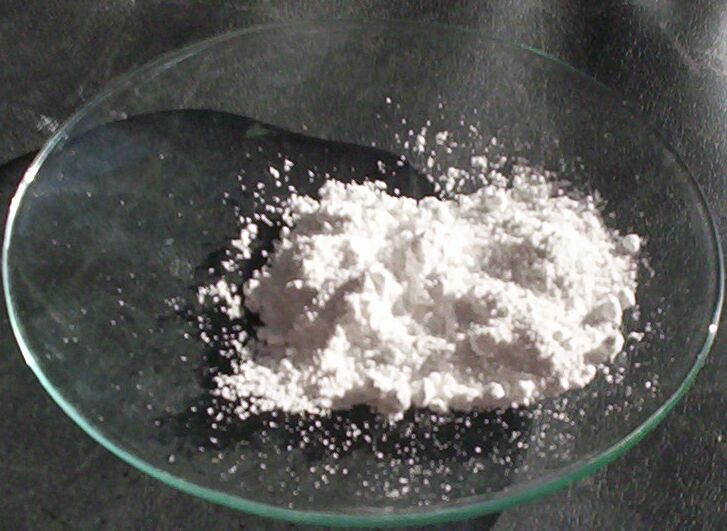
Antimony trioxide is a white powder made from antimony and oxygen. It is most often seen as a commercial chemical, not a colour in art or design. In nature, it takes the form of two rare minerals. Its main use is not for its appearance but for its chemical properties, especially in making other materials safer from fire.
Where does Antimony trioxide come from?
The name antimony trioxide comes from its chemical makeup: two atoms of antimony and three of oxygen. The natural minerals senarmontite and valentinite are its forms in the earth. Its importance grew with industrial uses, especially as a flame retardant and in glassmaking. China has become the main producer, with other countries like the US, Mexico, Japan, and South Africa also involved.
How is Antimony trioxide made?
Antimony trioxide is produced in two main ways. One method involves heating antimony metal in air, causing it to react with oxygen. Another starts with stibnite ore, which is roasted to form the oxide. The resulting crude product is then purified, often by heating it until it turns to vapour and then collecting it again as a solid.
Where Antimony trioxide is used
Most antimony trioxide is used to help make plastics, textiles, and coatings less likely to catch fire. It is also added to glass, ceramics, and enamel to make them less see-through. Some pigments for special uses include it, and it acts as a catalyst in making certain plastics and in rubber processing.
White around the world
What the white family means from country to country.
White is the traditional colour of death and mourning. Families wore undyed white cloth at funerals, and condolence money is still given in white envelopes.
Mourning and deathGriefSource: Color in Chinese cultureA bride at a Shinto wedding may wear the shiromuku, a kimono that is white from head to foot. White is also the colour of the paper streamers that mark sacred places.
Weddings and marriagePurity and peaceCalmSource: KimonoRed and white together, called kohaku, mark happy occasions. Curtains at ceremonies are striped red and white, and the New Year's Eve song contest sets a Red team against a White team.
Festival and celebrationJoySource: Kōhaku Uta GassenWomen campaigning for the vote marched in white dresses. Women in Congress have worn white to presidential addresses in memory of them.
Politics and protestPurity and peaceCourageSource: Women's suffrage in the United StatesXhosa boys going through initiation into manhood cover their bodies in white clay while they live apart from the village. It is washed off when they return as men.
Sacred and holyProtection and healingSource: UlwalukoThe Taliban flag is white with the Muslim declaration of faith in black. It replaced the black, red and green tricolour of the republic in 2021.
Politics and protestSacred and holySource: Flag of AfghanistanShades and relatives of Antimony trioxide
There are two main mineral forms: senarmontite, which has a cubic structure, and valentinite, which is orthorhombic. Both are rare in nature. The compound can be confused with other antimony oxides or with pigments that contain antimony, but its main role is industrial rather than decorative.
Questions people ask about Antimony trioxide
What colour is antimony trioxide?
Antimony trioxide is a white powder, though it is mainly valued for its chemical properties rather than its colour.
Where does the name antimony trioxide come from?
The name comes from its chemical formula, Sb2O3, which means it contains two antimony atoms and three oxygen atoms.
What is antimony trioxide used for?
It is mostly used to make plastics, textiles, and coatings less flammable, and also in glass, ceramics, and as a catalyst in making plastics and rubber.
Is antimony trioxide found in nature?
Yes, it occurs as two rare minerals called senarmontite and valentinite.
Is antimony trioxide safe?
It has been classified as carcinogenic, so care is needed when handling it, especially in workplaces.
Good reading and sources
- Antimony trioxide on WikipediaEncyclopedia
- More pictures on Wikimedia CommonsPictures
- Wikidata recordOpen data
The facts on this page come from the Wikipedia article "Antimony trioxide", written by its contributors and used under the CC BY-SA 4.0 licence, and from its Wikidata record (CC0). Rang rewrote the text in its own words, with AI assistance, and compares every page with the article to make sure no passage is copied. It may be reused under the same CC BY-SA 4.0 licence with a link back.
It may contain mistakes. The swatch is an approximation: named colours are not fixed standards, and every screen shows them a little differently. If something is wrong, tell us. Last refreshed 2026-10-03.
More of the white family
All of white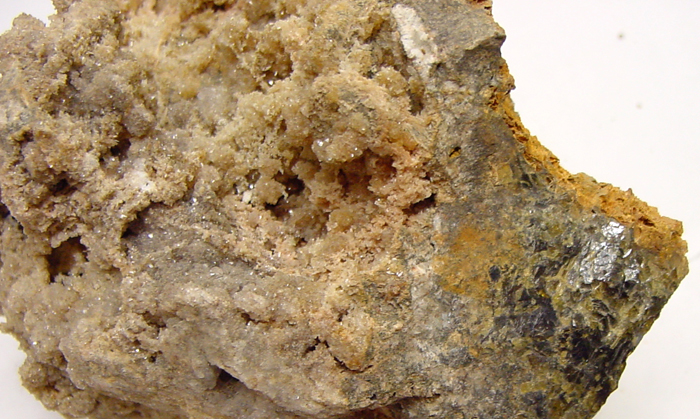
White
Zinc oxide
A white inorganic powder used in pigments, ointments, ceramics and electronicsPigment · 🇮🇳 India +2

#FDF8FF
Zinc white
A cool, low-toxicity white pigment made from zinc oxidePigment

#FFFEEF
Titanium white
A bright white pigment made from titanium dioxide, valued for its strong coveragePigment · 🇺🇸 United States +1

White
Lead white
A dense, opaque white pigment once used in art, home, and cosmetics worldwidePigment · 🇨🇳 China +2
White
Titanium dioxide
A brilliant white pigment made from titanium, used in paints, food and sunscreenPigment · 🇨🇳 China +5

White
Barium sulfate
A dense, white mineral used in pigments, X-rays, and industryPigment

White
White lead
A historic opaque white pigment once made from lead and vinegarPigment
White
Zinc phosphate
A white inorganic compound used to protect metal and in dental cementPigment
More colours tied to China
The colours of China
#FF0000
Red
A primary colour seen in light, pigment, and tradition worldwideBasic colour · 🇺🇸 United States +5

#FFFF00
Yellow
A primary colour between green and orange, seen in sunlight, leaves, and pigmentsBasic colour · 🇫🇷 France +5

#800080
Purple
A cool colour between red and blue, long linked with royalty and rarityBasic colour · 🇱🇧 Lebanon +5

Red
Cinnabar
A scarlet to brick-red mineral and the main source of mercury and vermilion pigmentColour named from nature · 🇪🇸 Spain +5