Indigo dye
A greenish dark blue made from tropical indigo plants and woad
Indigo dye is a deep, greenish blue colour made from the leaves of the Indigofera plant, woad, or Chinese indigo. The colour deepens with repeated dyeing and is known for its use in textiles across many cultures, including India and Vietnam.
Share on WhatsAppOpen in the lab
- Indigo dye comes from the leaves of several plants
- Repeated dyeing makes the colour darker
- Used for textiles in India, Vietnam, and by the Cherokee
- The dyeing process involves fermenting and boiling
What colour is Indigo dye?
Indigo dye is a greenish dark blue colour. It stands out from other blues by its depth and the slight green tint that comes from the natural dyeing process. The colour is made from the leaves of certain plants, and the final shade depends on how many times the cloth is dyed and dried. The more times the process is repeated, the darker the blue becomes.
Where does Indigo dye come from?
The name and colour come from the indigo dye, which is made from plants such as Indigofera, woad, and Chinese indigo. Many societies have used these plants for centuries to produce blue shades for textiles. The process of making indigo dye has been passed down through generations in places like India and Vietnam.
How is Indigo dye made?
To make indigo dye, leaves from plants like Indigofera or woad are soaked in water to extract the pigment. In some traditions, the leaves are fermented for several days, then agitated with lime to turn the liquid blue. The blue pigment settles as sediment, which is collected and dried. When dyeing cloth, the pigment is boiled in water, and the cloth is dipped and dried repeatedly to achieve the desired depth of colour.
Where Indigo dye is used
Indigo dye is mainly used for colouring textiles. In India, Vietnam, and among the Cherokee in North America, the dye is used to colour cloth, often yarns of hemp or other fibres. The process involves repeated boiling and drying to deepen the shade. The resulting blue is valued for its richness and durability.
Blue around the world
What the blue family means from country to country.
Krishna, Rama and Vishnu are painted with blue skin, the colour of the sky and the deep sea. The wheel at the centre of the national flag, the Ashoka Chakra, is navy blue.
Sacred and holyAweSource: KrishnaBlue is the colour of Dalit politics. Followers of B. R. Ambedkar carry blue flags, and the Bahujan Samaj Party campaigns under a blue flag with an elephant.
Politics and protestPrideSource: Bahujan Samaj PartyLapis lazuli has been mined in the mountains of Badakhshan for more than six thousand years. Ground to powder it gave ultramarine, the costliest blue in European painting.
Royalty and powerSacred and holyAweSource: Lapis lazuliThe chadari is a full-length covering for women with a mesh panel over the eyes. In Kabul and the north it is most often a light blue.
Protection and healingSource: BurqaThe blue band of the flag stands for the wish of the Armenian people to live under peaceful skies. The red above it is for the highlands and the struggle to survive.
Politics and protestHopeSource: Flag of ArmeniaThe flag is sky blue, white and sky blue, created by Manuel Belgrano in 1812. National teams are called the Albiceleste, the white and sky blue.
Politics and protestPrideSource: Flag of ArgentinaShades and relatives of Indigo dye
Different shades of indigo can be made by changing how many times the cloth is dyed. The base colour always has a greenish blue tone, but it can range from lighter to very dark blue depending on the process. The specific plant used can also affect the final shade.
Colours that go with Indigo dye
Harmonies are worked out from the value #00416A. Contrast ratios follow the WCAG 2 formula.
Questions people ask about Indigo dye
What colour is indigo dye?
Indigo dye is a greenish dark blue. The exact shade depends on how many times the cloth is dyed and dried.
Where does the name indigo dye come from?
The name comes from the indigo dye, which is made from the leaves of plants like Indigofera and woad.
How is indigo dye made?
Leaves are soaked and fermented, then the pigment is extracted, dried, and boiled with cloth. The process is repeated to deepen the colour.
What is indigo dye used for?
It is mainly used for dyeing textiles, especially cloth and yarns, in cultures such as India and Vietnam.
Good reading and sources
The facts on this page come from the Wikipedia article "Indigo" (the section "Indigo dye color"), written by its contributors and used under the CC BY-SA 4.0 licence. EveryRang rewrote the text in its own words, with AI assistance, and compares every page with the article to make sure no passage is copied. It may be reused under the same CC BY-SA 4.0 licence with a link back.
It may contain mistakes. The swatch is an approximation: named colours are not fixed standards, and every screen shows them a little differently. If something is wrong, tell us. Last refreshed 2026-10-03.
More of the blue family
All of blue
Blue
Lapis lazuli
A deep blue stone prized for jewellery and the source of ultramarine pigmentColour named from nature · 🇦🇫 Afghanistan +5
#6A5DFF
Indigo
A deep blue named for the dye once exported from IndiaNamed shade · 🇮🇳 India +5

Blue
Azurite
A deep blue copper mineral once prized as a pigment and gemstonePigment · 🇫🇷 France +5

Blue
Woad
A blue dye once vital to Europe's textile trade, made from the leaves of a flowering plantDye · 🇫🇷 France +3
Blue
Indigo
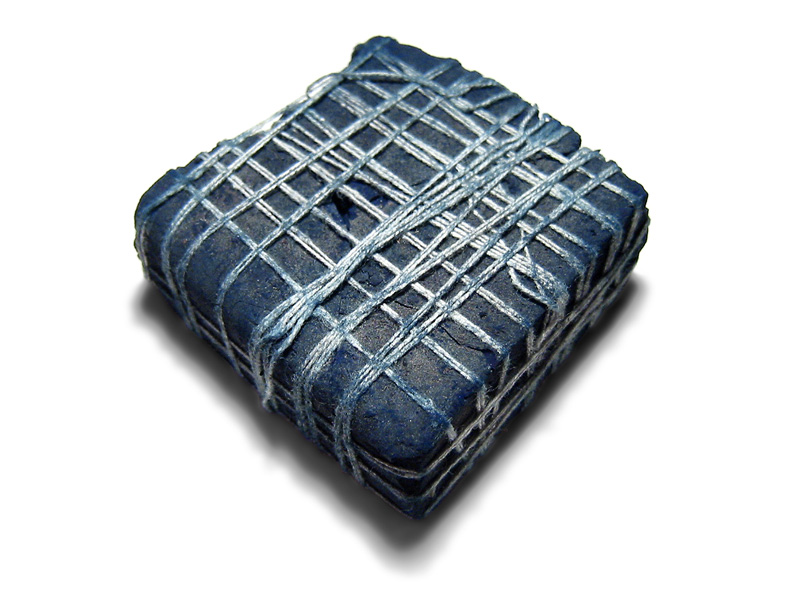
A deep blue dye from plants, now mostly made synthetically and known for colouring denimDye · 🇮🇳 India +5
Blue
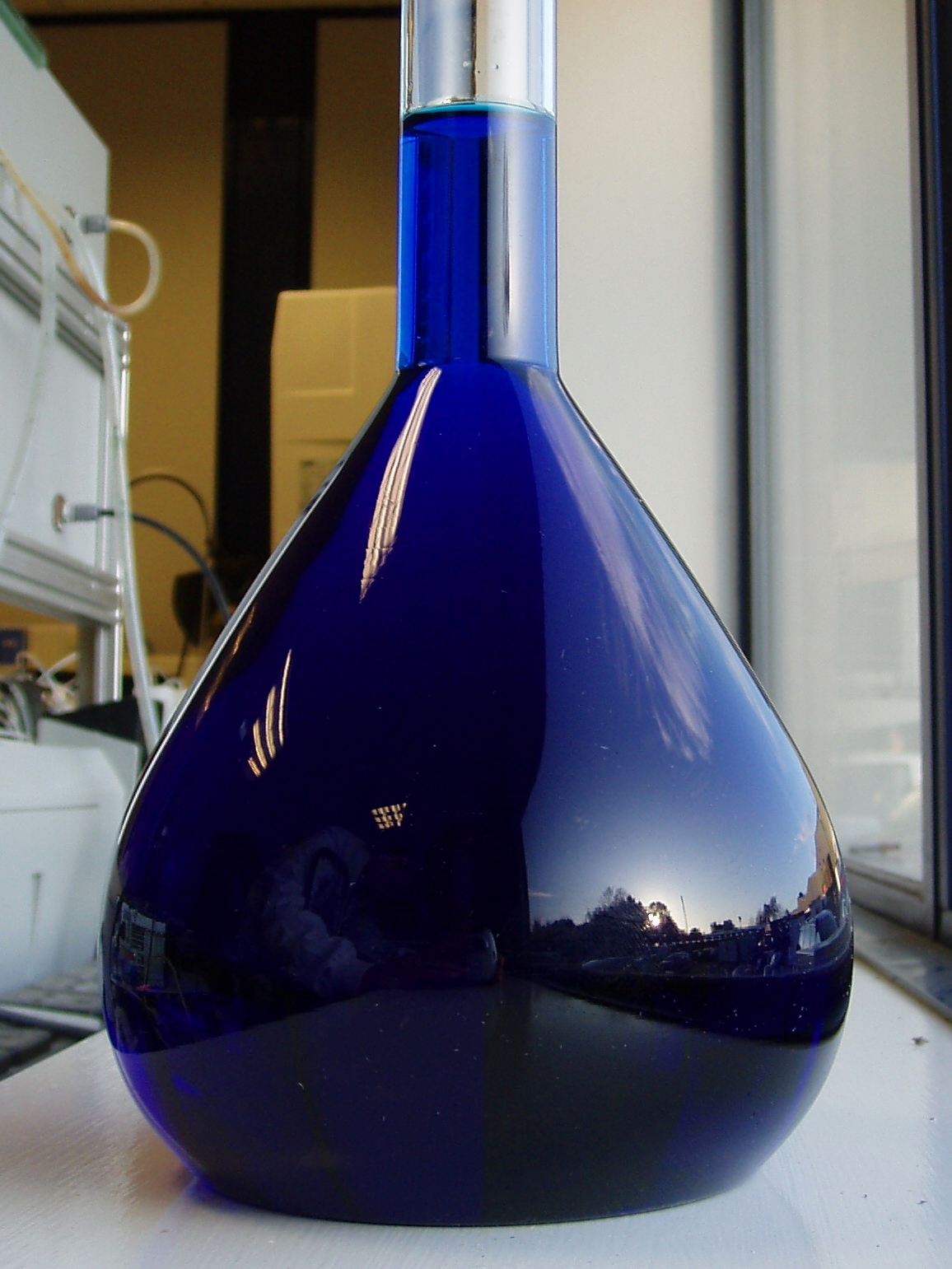
Methylene blue
A synthetic blue dye and medicine first made in 1876Dye
#120A8F
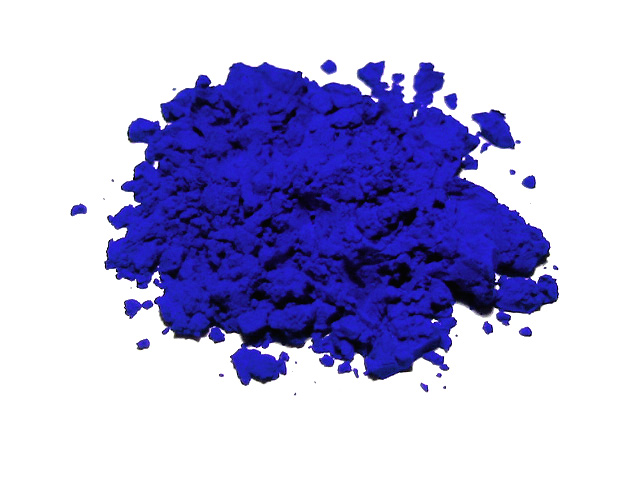
Ultramarine
A deep blue pigment once made from lapis lazuli, prized for centuries in artPigment · 🇦🇫 Afghanistan +2

#003153
Prussian blue
A deep blue pigment first made in Berlin in the early 1700sPigment · 🇯🇵 Japan
More colours tied to India
The colours of India
Yellow
Turmeric
A golden yellow dye and spice from the rhizome of a tropical plantColour named from nature · 🇮🇳 India +5

Red
Cinnabar
A scarlet to brick-red mineral and the main source of mercury and vermilion pigmentColour named from nature · 🇪🇸 Spain +5

Brown
Terracotta
A clay-based material and colour, known for its reddish-brown toneColour named from nature · 🇮🇳 India +4
White
Zinc oxide
A white inorganic powder used in pigments, ointments, ceramics and electronicsPigment · 🇮🇳 India +2