Indigofera tinctoria
A shrub whose leaves yield natural indigo dye
No single value: Indigofera tinctoria is a material, and its colour varies. The background shows its family, blue.

Indigofera tinctoria is a plant from the bean family, valued for its leaves that produce indigo dye. This shrub grows in tropical regions of Africa and Asia and has played a major role in traditional dyeing, especially before synthetic indigo became common.
- Leaves are processed to make blue indigo dye
- Native to tropical Africa and the Indian subcontinent
- Also grown to improve soil quality
- Used in European painting since the Middle Ages
What colour is Indigofera tinctoria?
Indigofera tinctoria is a bushy plant from the bean family, reaching up to two metres tall. Its leaves, when processed, are a key source of natural indigo dye, which is a deep blue colour. The plant stands out for its light green leaves and clusters of pink or violet flowers, and is valued both for dye production and as a crop that helps enrich soil.
Where does Indigofera tinctoria come from?
The name Indigofera tinctoria refers to its use as a dye plant. Its native range stretches from tropical West Africa through southern Africa and across the Indian subcontinent to Southeast Asia. The plant has been used for centuries to make blue dye, with written accounts of its preparation in India dating back to the 13th century, as noted by Marco Polo.
How is Indigofera tinctoria made?
To obtain dye, the leaves of Indigofera tinctoria are soaked and fermented, which changes a natural compound in the plant into the blue dye called indigotin. The blue substance is then separated and mixed with a strong base such as lye. While most indigo dye is now made synthetically, dye from this plant is still produced and sold as a natural product.
Where Indigofera tinctoria is used
Natural indigo from this plant was once a common dye for textiles and was also used in European painting from the Middle Ages. The plant is grown not only for its dye but also as a legume to improve soil quality, often rotated with other crops. Today, natural indigo is still available and used, especially where traditional methods are valued.
Blue around the world
What the blue family means from country to country.
Krishna, Rama and Vishnu are painted with blue skin, the colour of the sky and the deep sea. The wheel at the centre of the national flag, the Ashoka Chakra, is navy blue.
Sacred and holyAweSource: KrishnaBlue is the colour of Dalit politics. Followers of B. R. Ambedkar carry blue flags, and the Bahujan Samaj Party campaigns under a blue flag with an elephant.
Politics and protestPrideSource: Bahujan Samaj PartyThe flag has green for the land and blue for the Indian Ocean, divided by a black band for the people with yellow edges for mineral wealth.
Politics and protestNature and renewalSource: Flag of TanzaniaLapis lazuli has been mined in the mountains of Badakhshan for more than six thousand years. Ground to powder it gave ultramarine, the costliest blue in European painting.
Royalty and powerSacred and holyAweSource: Lapis lazuliThe chadari is a full-length covering for women with a mesh panel over the eyes. In Kabul and the north it is most often a light blue.
Protection and healingSource: BurqaThe blue band of the flag stands for the wish of the Armenian people to live under peaceful skies. The red above it is for the highlands and the struggle to survive.
Politics and protestHopeSource: Flag of ArmeniaShades and relatives of Indigofera tinctoria
Indigofera tinctoria is one of the main plants used to make indigo dye, but other species such as Persicaria tinctoria can also produce similar blue dyes. The dye from this plant is sometimes confused with synthetic indigo, which is chemically identical but produced in factories.
Questions people ask about Indigofera tinctoria
What colour does Indigofera tinctoria produce?
The leaves of Indigofera tinctoria are processed to make a blue dye known as indigo, which has been used for centuries in textiles and art.
Where does the name Indigofera tinctoria come from?
The name means 'indigo-bearing for dyeing', reflecting its long use as a source of indigo dye.
How is the dye made from this plant?
Leaves are soaked and fermented to turn a natural compound into the blue dye indigotin, which is then collected and mixed with a base like lye.
Where is Indigofera tinctoria grown?
It grows in tropical regions from West Africa to South Africa and across South and Southeast Asia.
Good reading and sources
- Indigofera tinctoria on WikipediaEncyclopedia
- More pictures on Wikimedia CommonsPictures
- Wikidata recordOpen data
The facts on this page come from the Wikipedia article "Indigofera tinctoria", written by its contributors and used under the CC BY-SA 4.0 licence, and from its Wikidata record (CC0). Rang rewrote the text in its own words, with AI assistance, and compares every page with the article to make sure no passage is copied. It may be reused under the same CC BY-SA 4.0 licence with a link back.
It may contain mistakes. The swatch is an approximation: named colours are not fixed standards, and every screen shows them a little differently. If something is wrong, tell us. Last refreshed 2026-10-03.
More of the blue family
All of blue
Blue
Lapis lazuli
A deep blue stone prized for jewellery and the source of ultramarine pigmentColour named from nature · 🇦🇫 Afghanistan +5
#6A5DFF
Indigo
A deep blue named for the dye once exported from IndiaNamed shade · 🇮🇳 India +5

Blue
Azurite
A deep blue copper mineral once prized as a pigment and gemstonePigment · 🇫🇷 France +5

Blue
Woad
A blue dye once vital to Europe's textile trade, made from the leaves of a flowering plantDye · 🇫🇷 France +3
Blue
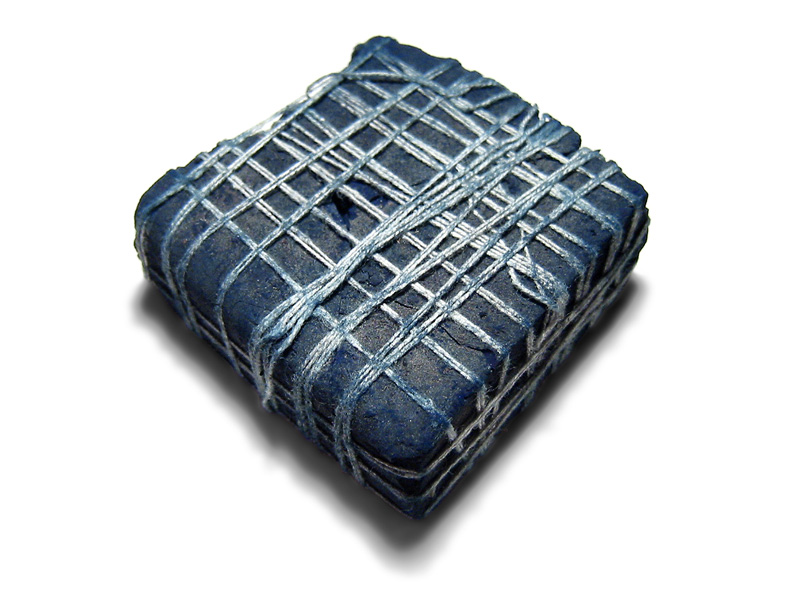
Indigo
A deep blue dye from plants, now mostly made synthetically and known for colouring denimDye · 🇮🇳 India +5
Blue
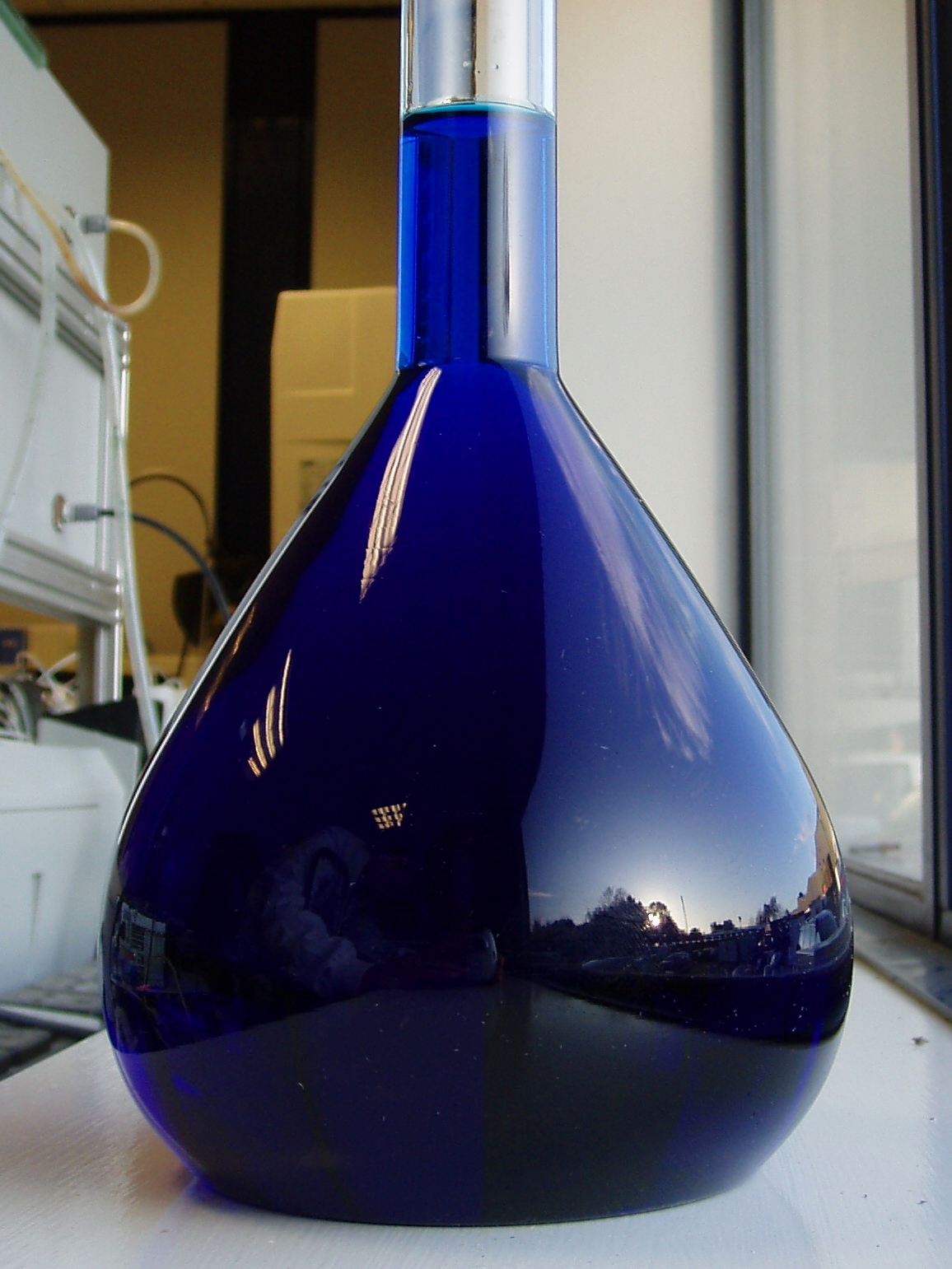
Methylene blue
A synthetic blue dye and medicine first made in 1876Dye
#120A8F
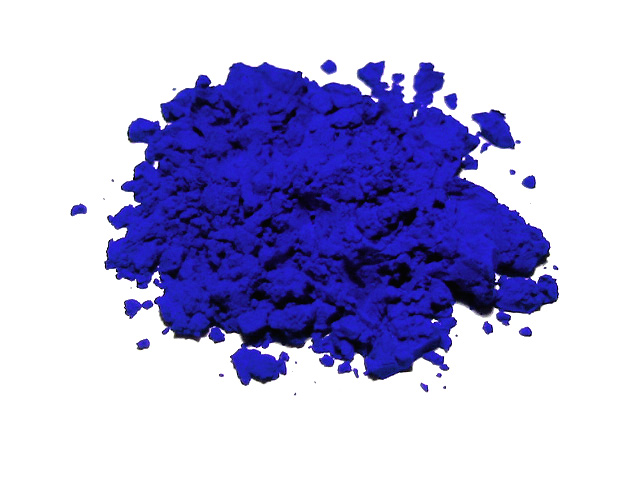
Ultramarine
A deep blue pigment once made from lapis lazuli, prized for centuries in artPigment · 🇦🇫 Afghanistan +2

#003153
Prussian blue
A deep blue pigment first made in Berlin in the early 1700sPigment · 🇯🇵 Japan
More colours tied to India
The colours of India
Yellow
Turmeric
A golden yellow dye and spice from the rhizome of a tropical plantColour named from nature · 🇮🇳 India +5

Red
Cinnabar
A scarlet to brick-red mineral and the main source of mercury and vermilion pigmentColour named from nature · 🇪🇸 Spain +5

Brown
Terracotta
A clay-based material and colour, known for its reddish-brown toneColour named from nature · 🇮🇳 India +4
White
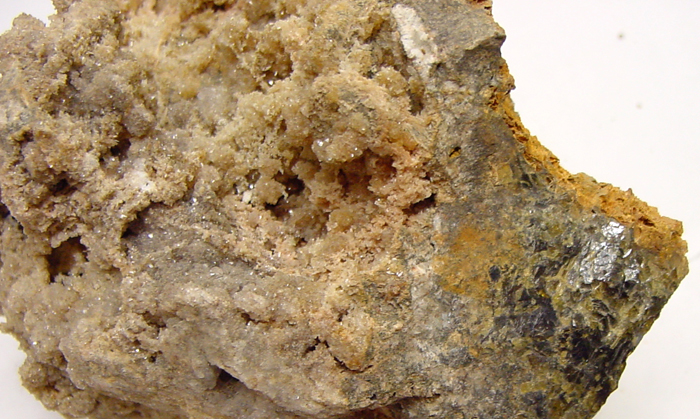
Zinc oxide
A white inorganic powder used in pigments, ointments, ceramics and electronicsPigment · 🇮🇳 India +2