Turnsole
A blue-purple dye once prized for manuscripts and textiles
No single value: Turnsole is a material, and its colour varies. The background shows its family, purple and violet.

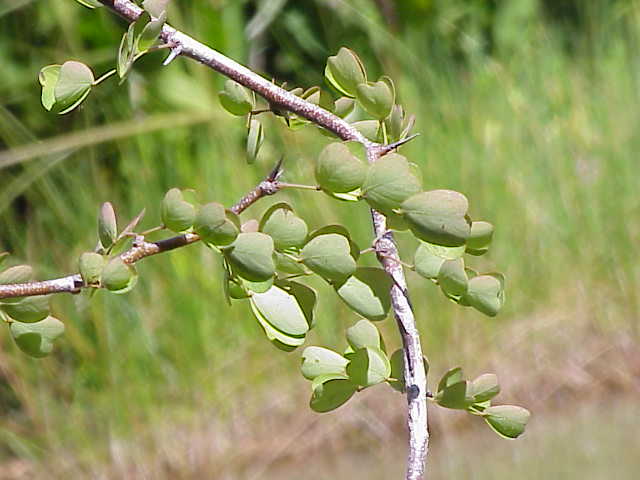
Turnsole is a blue to purple dye made from the fruit of the Chrozophora tinctoria plant, which grows in the Mediterranean, Middle East, India, and Central Asia. It was valued as a less costly alternative to Tyrian purple, used especially for colouring manuscripts and textiles, and its colour comes from a compound called chrozophoridine.
- Turnsole comes from the fruit and sap of Chrozophora tinctoria
- It was a substitute for the costly Tyrian purple dye
- The main colouring compound is called chrozophoridine
- Turnsole was used for manuscripts, textiles, and some foods
- Exposure to ammonia changes its shade from blue to purple
What colour is Turnsole?
Turnsole is a colourant that produces hues ranging from blue to purple. It is obtained from the fruit and sap of the Chrozophora tinctoria plant, which is covered in woolly hairs and has ash-green leaves. The dye stands out for its ability to shift in shade depending on how it is processed, and was once a practical substitute for the rare Tyrian purple.
Where does Turnsole come from?
The name 'turnsole' refers to the plant Chrozophora tinctoria, native to regions around the Mediterranean and stretching to India and Central Asia. Its use as a dye dates back to medieval times, when it was valued for its colour and availability. The plant was first described by Linnaeus in the 18th century, and the dye's main colouring compound, chrozophoridine, was only identified by researchers in 2020.
How is Turnsole made?
The dye is made from the dry outer coating of the plant's fruit, or from the sap released when leaves are broken and exposed to air. The resulting juice can produce different shades of blue and purple, especially when exposed to ammonia vapours. In the past, this was sometimes achieved by treating fabric with horse manure and urine to enhance the colour.

Where Turnsole is used
Turnsole was commonly used to colour manuscripts and to dye textiles, especially in the Levant. It was also added to foods such as Dutch cheese and certain alcoholic drinks. The dye was valued for being more affordable than Tyrian purple, and a large quantity of plant material was needed to produce enough dye for fabric.
Purple around the world
What the purple and violet family means from country to country.
In Holy Week, members of religious brotherhoods walk in procession in robes and pointed hoods, many of them purple, the colour of penance. A purple band also marked the flag of the Second Republic.
Sacred and holyPolitics and protestSource: Holy Week in SpainSuffragettes campaigning for women's votes wore purple, white and green: purple for dignity, white for purity and green for hope.
Politics and protestCourageSource: SuffragetteA child born to a reigning Byzantine emperor was called porphyrogennetos, born in the purple. The birth took place in a palace room lined with purple stone.
Royalty and powerAweSource: Born in the purpleIn the elections of 2005, voters dipped a finger in purple ink to prevent double voting. The stained finger, held up for cameras, became a sign of the vote.
Politics and protestPrideSource: Election inkPurple dye from the murasaki plant was costly and hard to make. In the court rank system set up under Prince Shotoku, the highest officials wore purple caps.
Royalty and powerAweSource: Twelve Level Cap and Rank SystemThe Phoenician cities of Tyre and Sidon made Tyrian purple from sea snails. The dye was so costly that it became the colour of kings and Roman emperors.
Royalty and powerAweSource: Tyrian purpleShades and relatives of Turnsole
Turnsole can yield a range of blue and purple tones, depending on how it is processed and the exposure to ammonia. It is sometimes called katasol or folium, and is occasionally confused with other natural dyes that produce similar colours.
Questions people ask about Turnsole
What colour is turnsole?
Turnsole produces shades of blue and purple, depending on how it is processed and the conditions during dyeing.
Where does the name turnsole come from?
The name refers to the Chrozophora tinctoria plant, which is native to the Mediterranean, Middle East, India, and Central Asia.
How is turnsole dye made?
The dye is extracted from the dry outer part of the fruit or from sap released when the plant's leaves are broken and exposed to air.
What was turnsole used for?
It was used to dye textiles, colour food such as cheese and liquors, and to add blue or purple hues to illuminated manuscripts.
Is turnsole poisonous?
Yes, the plant is considered poisonous and can cause stomach upset, vomiting, nausea, and diarrhoea if consumed.
Good reading and sources
- Chrozophora tinctoria on WikipediaEncyclopedia
- More pictures on Wikimedia CommonsPictures
- Wikidata recordOpen data
The facts on this page come from the Wikipedia article "Chrozophora tinctoria", written by its contributors and used under the CC BY-SA 4.0 licence, and from its Wikidata record (CC0). Rang rewrote the text in its own words, with AI assistance, and compares every page with the article to make sure no passage is copied. It may be reused under the same CC BY-SA 4.0 licence with a link back.
It may contain mistakes. The swatch is an approximation: named colours are not fixed standards, and every screen shows them a little differently. If something is wrong, tell us. Last refreshed 2026-10-03.
More of the purple and violet family
All of purple and violet
Purple and violet
Tyrian purple
A reddish-purple dye once worth its weight in silver, made from sea snailsDye · 🇱🇧 Lebanon +4

Purple and violet
Crystal violet
A synthetic purple dye used in science, medicine, and industryDye
Purple and violet
Logwood
A tree whose wood yields a dye once vital for textiles and scienceColour named from nature · 🇲🇽 Mexico +3

#E0B0FF
Mauve
A pale purple named after the mallow flower and once a fashion sensationNamed shade · 🇫🇷 France
Purple and violet
Mauveine
A purple dye first made by accident in 1856, launching the synthetic dye industryDye

#9966CC
Lavender
A pale purple named for the lavender flower, with many subtle variationsNamed shade
#CC8899
Puce
A brownish-purple shade named after the flea and once favoured in French fashionNamed shade · 🇫🇷 France +1

#8E4585
Plum
A purple shade named for the colour of plum fruitNamed shade
More colours tied to India
The colours of India
Yellow
Turmeric
A golden yellow dye and spice from the rhizome of a tropical plantColour named from nature · 🇮🇳 India +5
#6A5DFF
Indigo
A deep blue named for the dye once exported from IndiaNamed shade · 🇮🇳 India +5

Red
Cinnabar
A scarlet to brick-red mineral and the main source of mercury and vermilion pigmentColour named from nature · 🇪🇸 Spain +5

Brown
Terracotta
A clay-based material and colour, known for its reddish-brown toneColour named from nature · 🇮🇳 India +4