Dragon's blood (from Dracaena cinnabari)
A deep red resin from the Socotra dragon tree, prized as a dye and medicine
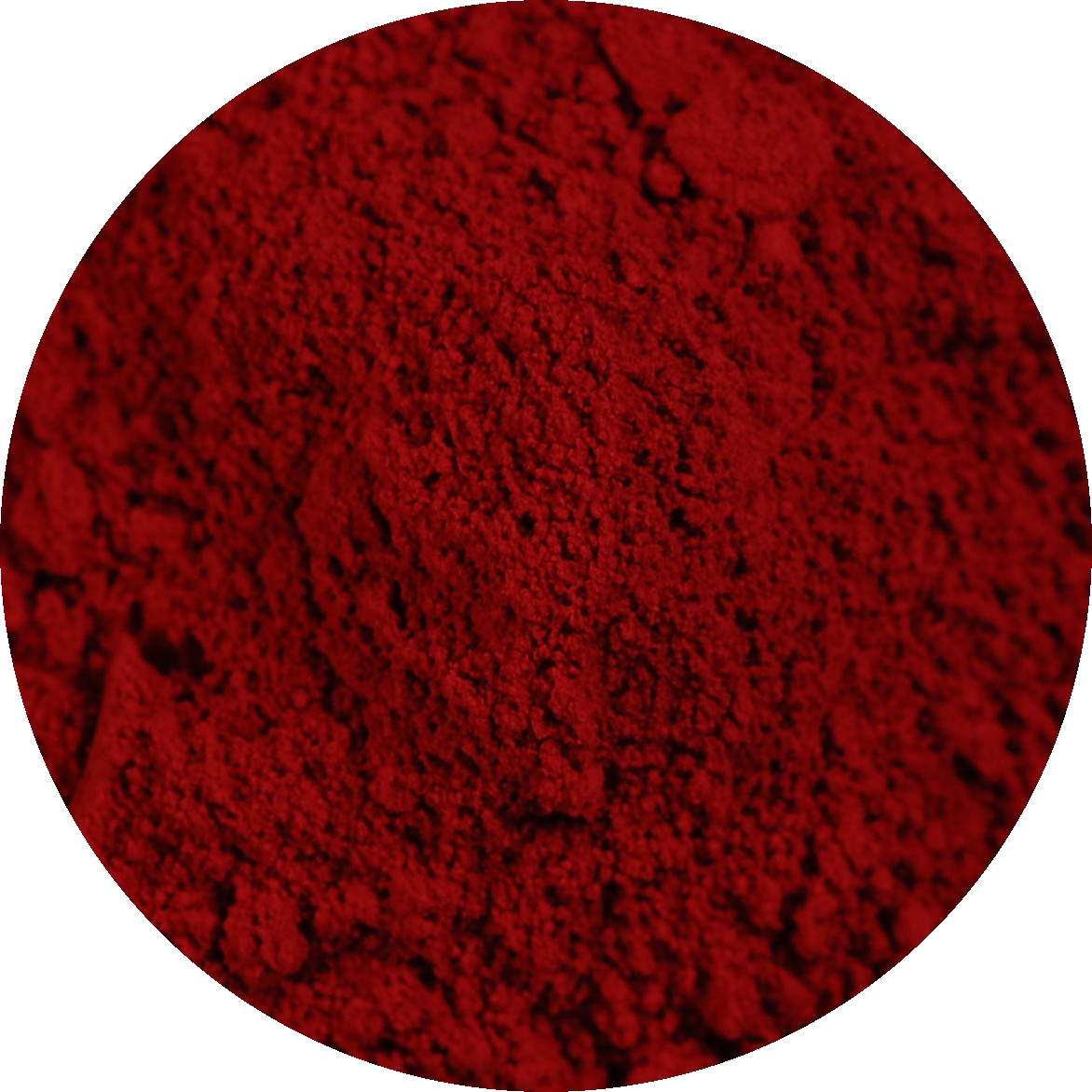
No single value: Dragon's blood (from Dracaena cinnabari) is a material, and its colour varies. The background shows its family, red.

Dragon's blood is a dark red resin collected from the Socotra dragon tree, native to Yemen's Socotra archipelago. Known for its blood-like colour, it has been valued since ancient times as a dye, medicine, and in crafts, and is still used for dyeing, varnish, and ritual purposes.
- Dragon's blood is a deep red resin from the Socotra dragon tree.
- Used as a dye, medicine, and varnish since ancient times.
- Socotra in Yemen is its only natural home.
- The tree is the national symbol of Yemen.
- Resin collection is now regulated to protect the species.
What colour is Dragon's blood (from Dracaena cinnabari)?
Dragon's blood from Dracaena cinnabari is a resin with a deep, blood-red colour. It is tapped from the Socotra dragon tree, which grows only on the Socotra archipelago in Yemen. The resin stands out for its intense red hue, which is unlike most other natural dyes. The tree itself is known for its umbrella-shaped crown and thick trunk, but it is the sap that has drawn attention for centuries.
Where does Dragon's blood (from Dracaena cinnabari) come from?
The name 'dragon's blood' comes from the resin's striking resemblance to blood. The Socotra dragon tree was first described scientifically in the 19th century, but its resin has been used since ancient times. Socotra's isolation has helped preserve both the tree and the tradition of using its resin. The resin was once believed to be the blood of dragons, which added to its mystique and ritual use.
How is Dragon's blood (from Dracaena cinnabari) made?
The resin is collected by making cuts in the bark of the Socotra dragon tree. The sap oozes out and hardens into tear-like drops, which are then gathered. The root also produces a gum-resin used in medicine. The resin is sorted into grades, with the clearest, tear-shaped pieces being the most valuable. The tree grows slowly and is now protected due to threats from overharvesting and habitat loss.


Where Dragon's blood (from Dracaena cinnabari) is used
Dragon's blood has been used as a dye for wool and textiles, as a varnish for violins, and as a pigment in art. Locally, it is used for dyeing, as a glue for pottery, a breath freshener, and even as lipstick. In the Mediterranean, it was valued for its medicinal properties and in ritual magic. It has also been used in toothpaste and for tempering steel.
What Dragon's blood (from Dracaena cinnabari) means
The resin's colour and rarity have led to its use in ritual magic and alchemy, where it was believed to have special powers. In Socotra, it is seen as a cure-all and is used in traditional medicine. In the ancient world, Greeks, Romans, and Arabs used it for healing wounds and treating various illnesses. Its association with dragon's blood gave it a mystical reputation.
Red around the world
What the red family means from country to country.
Many Hindu brides marry in a red sari or lehenga. In much of north India a married woman wears sindoor, a red powder, along the parting of her hair.
Weddings and marriageLuck and prosperityJoyLoveSource: SindoorThe flag uses the four Pan-Arab colours: a red bar at the hoist with green, white and black bands. It was designed by a young Emirati, Abdullah Al Maainah, in 1971.
Politics and protestPrideSource: Flag of the United Arab EmiratesThe flag is a black double-headed eagle on red, the banner of the fifteenth-century hero Skanderbeg. Fans chant Kuq e Zi, red and black.
Politics and protestPrideSource: Flag of AlbaniaArmenian scribes painted manuscripts with vordan karmir, a crimson dye made from an insect that lives on the roots of grasses in the Ararat plain.
Sacred and holySource: Armenian cochinealUnder Juan Manuel de Rosas in the 1830s and 1840s, everyone had to wear a scarlet ribbon to show loyalty to his Federalist party. His enemies, the Unitarians, were tied to sky blue.
Politics and protestFearSource: Juan Manuel de RosasThe flag is red, white and red. Legend says Duke Leopold V's white tunic was soaked in blood at the siege of Acre, all but the band under his belt.
Politics and protestCourageSource: Flag of AustriaShades and relatives of Dragon's blood (from Dracaena cinnabari)
Other plants also produce resins called dragon's blood, but the resin from Dracaena cinnabari is considered the original source. The colour and quality can vary depending on the grade, with the clearest pieces being most prized. Over time, other sources replaced it in Europe, but Socotra's resin remains distinctive.
Questions people ask about Dragon's blood (from Dracaena cinnabari)
What colour is dragon's blood resin?
Dragon's blood resin is a deep, blood-like red. It is collected from the Socotra dragon tree and is known for its intense, dark red hue.
Where does the name 'dragon's blood' come from?
The name comes from the resin's blood-red colour, which led people to believe it was the blood of dragons. This added to its mystique and ritual uses.
What is dragon's blood resin used for?
It has been used as a dye for textiles, in medicine, as a varnish for violins, for gluing pottery, as a breath freshener, and in ritual magic.
Where is dragon's blood resin found?
It is found on the Socotra archipelago, part of Yemen, where the Socotra dragon tree grows naturally.
Is the Socotra dragon tree protected?
Yes, the tree and its resin are protected due to threats from overharvesting and habitat loss. Socotra is a UNESCO World Heritage Site.
Good reading and sources
- Dracaena cinnabari on WikipediaEncyclopedia
- More pictures on Wikimedia CommonsPictures
- Wikidata recordOpen data
The facts on this page come from the Wikipedia article "Dracaena cinnabari", written by its contributors and used under the CC BY-SA 4.0 licence, and from its Wikidata record (CC0). Rang rewrote the text in its own words, with AI assistance, and compares every page with the article to make sure no passage is copied. It may be reused under the same CC BY-SA 4.0 licence with a link back.
It may contain mistakes. The swatch is an approximation: named colours are not fixed standards, and every screen shows them a little differently. If something is wrong, tell us. Last refreshed 2026-10-03.
More of the red family
All of red
Red
Cinnabar
A scarlet to brick-red mineral and the main source of mercury and vermilion pigmentColour named from nature · 🇪🇸 Spain +5

Red
Realgar
An orange-red arsenic sulfide mineral once used as a pigment and poisonPigment · 🇨🇳 China +5
Red
Carmine
A deep red pigment made from cochineal insects, once prized across continentsPigment · 🇫🇷 France +2

#E25822
Scarlet
A bright red with a touch of orange, long tied to power, sacrifice and sinNamed shade · 🇹🇷 Turkey +4

#E34234
Vermilion
A brilliant orange-red pigment, once made from toxic mercury orePigment · 🇹🇷 Turkey +5

Red
Rubia
A group of plants whose roots once dyed cloth and paint a lasting redColour named from nature · 🇪🇬 Egypt +5

#DC143C
Crimson
A deep red with a hint of purple, once made from insectsNamed shade · 🇳🇵 Nepal

#E32636
Alizarin
A deep red dye first made from madder roots, later produced from coal tarDye · 🇹🇷 Turkey +1
More colours tied to Yemen
The colours of Yemen
Black
Kohlكُحْل
A dark eye cosmetic made from minerals like galena and stibniteTraditional colour · 🇪🇬 Egypt +5

Red
Hennaحِنَّاء
A reddish dye from the henna plant, used for body art and hair since ancient timesColour named from nature · 🇪🇬 Egypt +5
Black
Onyx
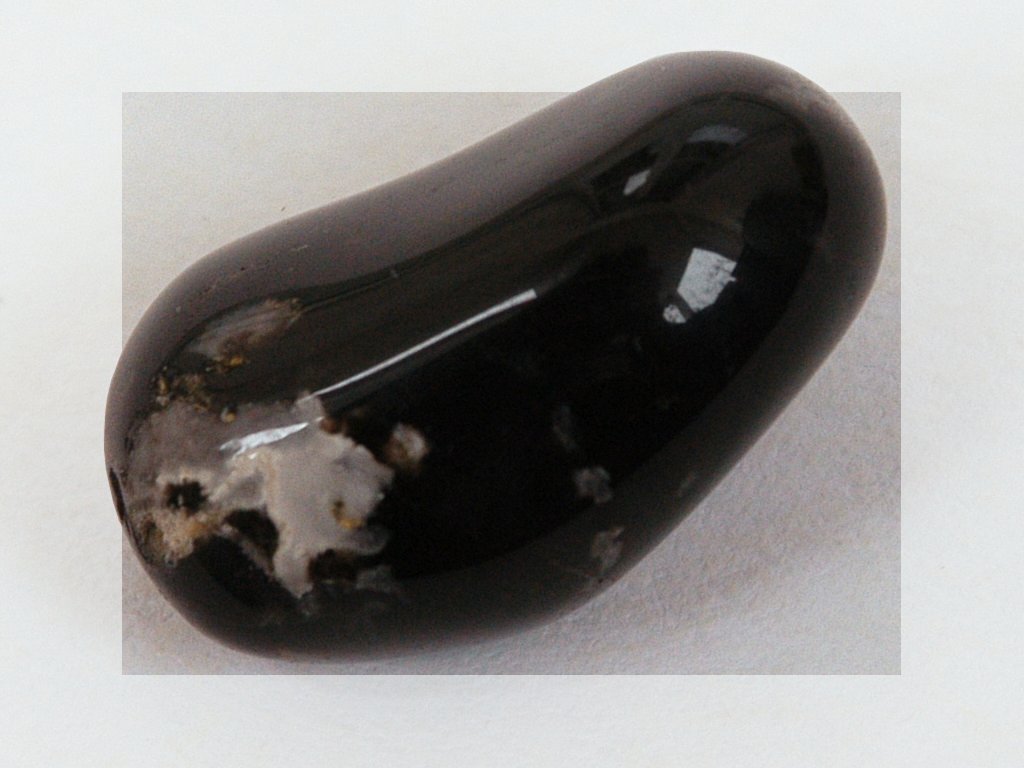
A banded stone, usually black and white, prized for carving and jewelleryColour named from nature · 🇲🇽 Mexico +5

Yellow
Terminalia dhofarica dye
A yellow to yellow-green dye made from the leaves of a South Arabian treeDye · 🇴🇲 Oman +1