Dragon's blood
A deep red resin from several plants, used as pigment, dye and varnish since ancient times
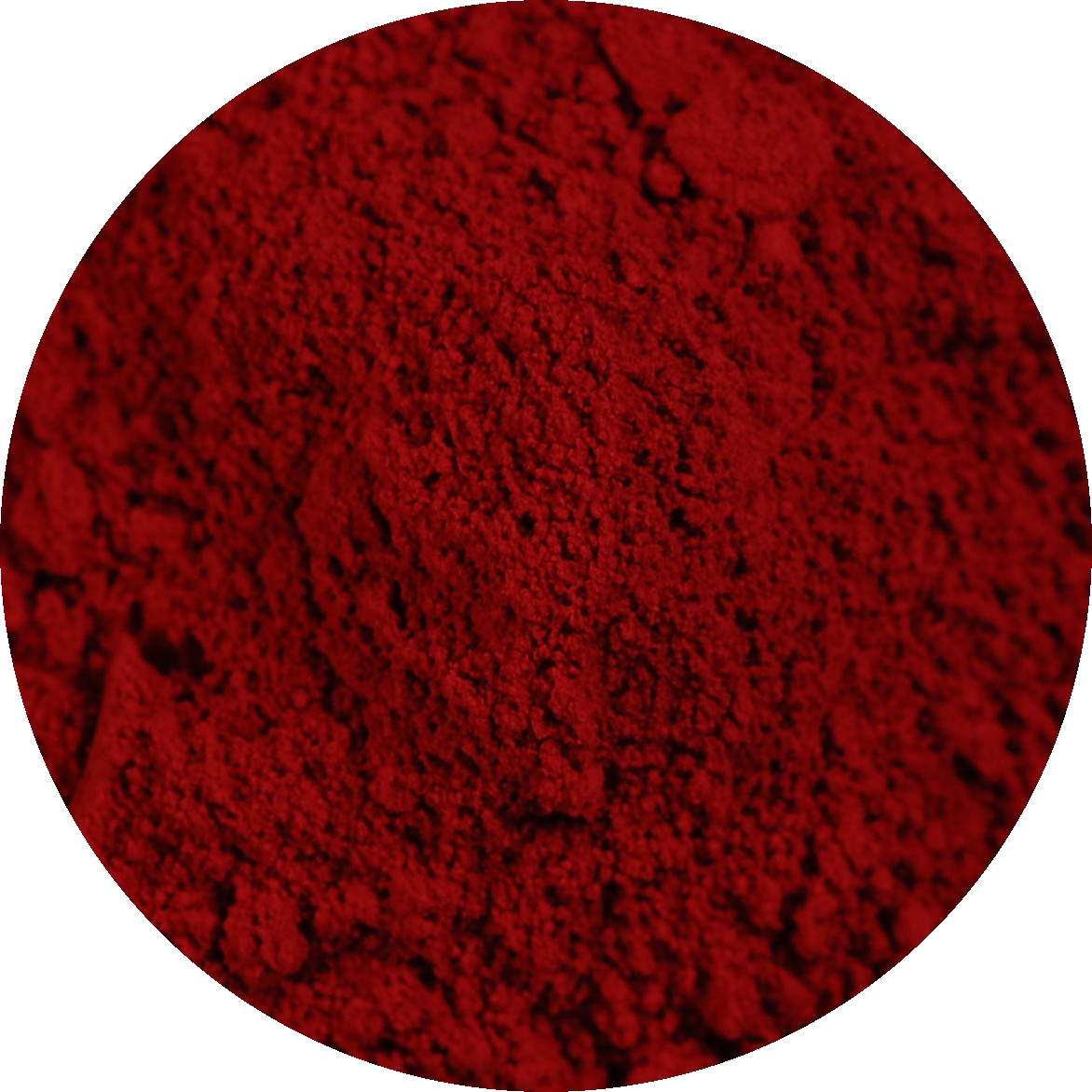
No single value: Dragon's blood is a material, and its colour varies. The background shows its family, red.

Dragon's blood is a vivid red resin collected from the fruit or trunks of various plants, mainly rattan palms and Dracaena trees. Known for its rich colour, it has been used for dyeing, painting, varnishing, incense, and medicine across cultures from the Mediterranean to Asia.
- Collected from rattan palms and Dracaena trees
- Used as dye, pigment, varnish and incense since ancient times
- Colour is a deep, pH-independent red
- Main sources are Socotra, Canary Islands, Indonesia
- Still used in art, medicine and rituals today
What colour is Dragon's blood?
Dragon's blood is a bright, deep red resin that comes from the fruit or trunks of certain plants, especially rattan palms (Calamus) and Dracaena trees. Its colour is a warm, semi-transparent red that can appear darker in light or impure air. The resin is usually collected as red lumps or balls and, when ground, forms a crimson powder. Unlike many other resins, its colour does not change with acidity.
Where does Dragon's blood come from?
The name 'dragon's blood' has a long and tangled history. Ancient writers sometimes believed it was the blood of dragons and elephants, while others confused it with cinnabar, a red mineral. True dragon's blood comes from several plant sources, mainly Dracaena trees and rattan palms, and has been traded from places like Socotra and the Canary Islands for centuries. The resin was well known in the ancient Mediterranean and Asia, and its origins were formally studied in the 1880s.
How is Dragon's blood made?
Dragon's blood is harvested by collecting the red resin from the fruit or wounded trunks of plants such as Dracaena and Calamus. In Indonesia, the resin is scraped from the unripe fruit of rattan palms and rolled into balls. On Socotra and the Canary Islands, the resin is gathered as it seeps from cuts in Dracaena trees. The resin is then dried and sold, often with little distinction between plant sources.


Where Dragon's blood is used
This resin has served many purposes: as a dye and pigment for painting, as a varnish for wood and musical instruments, and as incense. In China, it was used to varnish furniture and colour paper for special occasions. In India, it played a role in ceremonies. Artists once used it for flesh tones and in the colour known as 'Chinese orange'. It has also been used in medicine and ritual.
Red around the world
What the red family means from country to country.
Red stands for good fortune and happiness. Brides traditionally wear it, doors are hung with red couplets at New Year, and gifts of money come in red envelopes.
Luck and prosperityFestival and celebrationWeddings and marriageJoySource: Color in Chinese cultureThe national flag is red with five yellow stars. The red stands for the Communist revolution, and the same red runs through party banners and slogans.
Politics and protestPrideSource: Flag of ChinaThe flag is called Sang Saka Merah Putih, the Red and White. Red is commonly read as courage and white as purity. It was raised at the declaration of independence in 1945.
Politics and protestCouragePrideSource: Flag of IndonesiaMany Hindu brides marry in a red sari or lehenga. In much of north India a married woman wears sindoor, a red powder, along the parting of her hair.
Weddings and marriageLuck and prosperityJoyLoveSource: SindoorThe flag is red with a green five-pointed star. Red has been the colour of the ruling Alaouite dynasty since the seventeenth century.
Politics and protestPrideSource: Flag of MoroccoMarrakesh is called the Red City. Its walls and buildings are made of, or painted to match, the reddish clay of the plain around it.
Nature and renewalSource: MarrakeshShades and relatives of Dragon's blood
Dragon's blood can refer to resins from several different plants, so its appearance and properties vary. The main types are from Dracaena (such as Dracaena cinnabari and Dracaena draco) and Calamus (Daemonorops draco). The resin from Croton species is also sometimes called dragon's blood, especially in South America. The term has also been confused with cinnabar, a red mineral.
Questions people ask about Dragon's blood
What colour is dragon's blood?
Dragon's blood is a deep, warm red resin. When ground, it produces a rich crimson powder, and its colour does not change with acidity.
Where does the name 'dragon's blood' come from?
The name comes from ancient beliefs and legends, sometimes claiming it was the blood of dragons or elephants. In reality, it is a resin from various plants.
What plants produce dragon's blood?
It is mainly collected from Dracaena trees (like Dracaena cinnabari and Dracaena draco) and rattan palms (Calamus or Daemonorops draco), as well as Croton species in South America.
How has dragon's blood been used?
It has been used as a dye, pigment, varnish, incense, and in medicine. In China and India, it was used for rituals and special occasions, and in Europe for art and varnishing.
Good reading and sources
The facts on this page come from the Wikipedia article "Dragon's blood", written by its contributors and used under the CC BY-SA 4.0 licence, and from its Wikidata record (CC0). Rang rewrote the text in its own words, with AI assistance, and compares every page with the article to make sure no passage is copied. It may be reused under the same CC BY-SA 4.0 licence with a link back.
It may contain mistakes. The swatch is an approximation: named colours are not fixed standards, and every screen shows them a little differently. If something is wrong, tell us. Last refreshed 2026-10-03.
More of the red family
All of red
Red
Cinnabar
A scarlet to brick-red mineral and the main source of mercury and vermilion pigmentColour named from nature · 🇪🇸 Spain +5

Red
Realgar
An orange-red arsenic sulfide mineral once used as a pigment and poisonPigment · 🇨🇳 China +5
Red
Carmine
A deep red pigment made from cochineal insects, once prized across continentsPigment · 🇫🇷 France +2

#E25822
Scarlet
A bright red with a touch of orange, long tied to power, sacrifice and sinNamed shade · 🇹🇷 Turkey +4

#E34234
Vermilion
A brilliant orange-red pigment, once made from toxic mercury orePigment · 🇹🇷 Turkey +5

Red
Rubia
A group of plants whose roots once dyed cloth and paint a lasting redColour named from nature · 🇪🇬 Egypt +5

#E32636
Alizarin
A deep red dye first made from madder roots, later produced from coal tarDye · 🇹🇷 Turkey +1

#801818
Falu redfalu rödfärg
A deep red paint pigment from the Falun copper mine, used on wooden houses in SwedenPigment · 🇸🇪 Sweden +2
More colours tied to India
The colours of India
Yellow
Turmeric
A golden yellow dye and spice from the rhizome of a tropical plantColour named from nature · 🇮🇳 India +5
#6A5DFF
Indigo
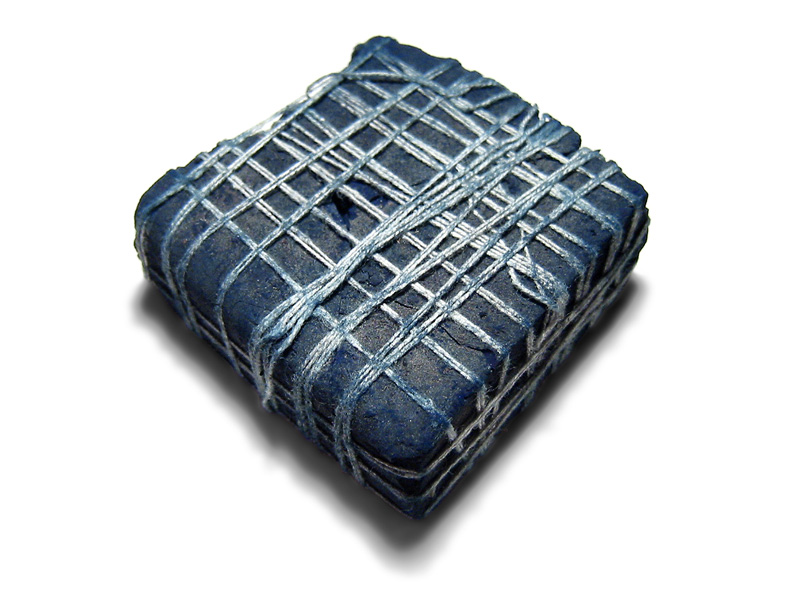
A deep blue named for the dye once exported from IndiaNamed shade · 🇮🇳 India +5

Brown
Terracotta
A clay-based material and colour, known for its reddish-brown toneColour named from nature · 🇮🇳 India +4
White
Zinc oxide
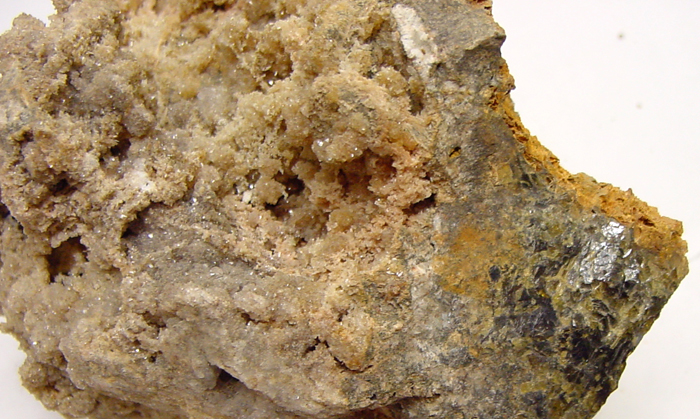
A white inorganic powder used in pigments, ointments, ceramics and electronicsPigment · 🇮🇳 India +2