🇯🇵 The colours of Japan
7 meanings recorded, 39 colours tied to the country and 2 colour cities.
Japan’s national colours are white and red, shown in the flag as a white field with a central red circle. The red represents the sun, reflecting the country’s identity as the Land of the Rising Sun, and is closely tied to Shinto beliefs and the imperial family. White stands for purity and honesty.
Where no official value is given, the swatch shows the colour family, not the exact shade.
- The flag is called Hinomaru, meaning 'circle of the sun'.
- Red symbolises the sun goddess Amaterasu in Shinto belief.
- White is associated with purity and honesty.
- The flag’s design dates back to at least the 7th century.
- Desecration of the Hinomaru is illegal in Japan.
The colours of the flag of Japan
The Japanese flag, known as the Hinomaru, features a plain white background with a red circle in the centre. The red disc represents the sun, a central symbol in Japanese mythology and religion, especially in Shinto, where the imperial family is said to descend from the sun goddess Amaterasu. The white field is associated with purity and honesty, though these meanings are not set out in law. The design is simple but carries deep national and spiritual significance.
How the colours were chosen of Japan
The sun motif has been linked to Japan since at least the 7th century, when the country was described as the land where the sun rises. The earliest recorded use of a sun flag was in 701 at the imperial court. Over centuries, different versions of sun flags appeared, including those used by samurai clans in battle. The current flag design became the official merchant and naval flag in 1870, and was later adopted as the national flag. Its use was restricted after World War II but was reinstated in public life in the postwar years.
Official shades and rules of Japan
The Act on National Flag and Anthem, effective from 1999, made the Hinomaru the official national flag. Earlier, the design was set by proclamations in 1870 for merchant and naval use. The law specifies a rectangular flag with a red circle centred on a white field, but does not define exact shades or proportions in the sources provided.
The facts in this overview come from the Wikipedia article "Flag of Japan", written by its contributors and used under the CC BY-SA 4.0 licence. Rang rewrote the text in its own words, with AI assistance, and compares every page with the article to make sure no passage is copied. It may be reused under the same CC BY-SA 4.0 licence with a link back.
What colours mean in Japan
Customs vary by region, faith and family; these are the meanings most often recorded.
The torii gates of Shinto shrines are often painted vermilion, a bright orange-red. The colour is held to keep evil away, and the long tunnels of gates at Fushimi Inari are the best known.
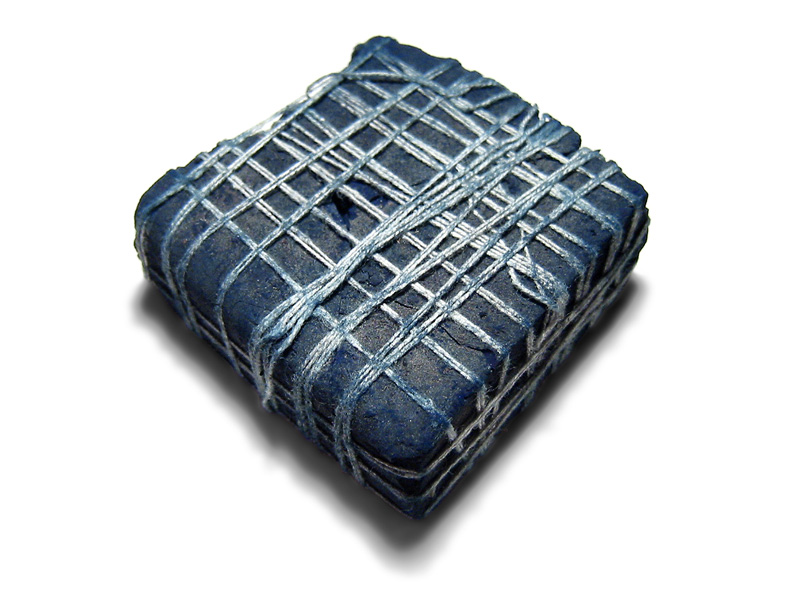
Sacred and holyProtection and healingAweSource: ToriiIndigo dyeing, called aizome, clothed ordinary people in deep blue through the Edo period. The men's national football team plays in blue and is nicknamed Samurai Blue.
Festival and celebrationPrideSource: Japan national football teamPurple dye from the murasaki plant was costly and hard to make. In the court rank system set up under Prince Shotoku, the highest officials wore purple caps.
Royalty and powerAweSource: Twelve Level Cap and Rank SystemPale pink is the colour of cherry blossom. In spring people picnic under the trees for hanami, flower viewing, and the short bloom is a common image for how brief life is.
Nature and renewalFestival and celebrationJoyNostalgiaSource: Cherry blossomA bride at a Shinto wedding may wear the shiromuku, a kimono that is white from head to foot. White is also the colour of the paper streamers that mark sacred places.
Weddings and marriagePurity and peaceCalmSource: KimonoRed and white together, called kohaku, mark happy occasions. Curtains at ceremonies are striped red and white, and the New Year's Eve song contest sets a Red team against a White team.
Festival and celebrationJoySource: Kōhaku Uta GassenMourners wear plain black, called mofuku, to funerals, and men add a black tie. Condolence money goes in an envelope tied with black and white cord.
Mourning and deathGriefSource: Japanese funeralColour and feeling in Japan
Red and white together, called kohaku, mark celebrations. Striped red and white curtains hang at openings, graduations and festivals.
On White Day, 14 March, people who received chocolate on Valentine's Day give a gift in return. Confectioners began the custom in the late 1970s.
The yurei, the ghost of Japanese folklore and theatre, wears the plain white kimono in which the dead were traditionally dressed for burial.
Several railway companies installed blue lights on platforms to deter suicides. Studies of whether they work have reached mixed conclusions.
A person who schemes behind a pleasant manner is haraguroi, 'black-bellied', the reverse of a clean, open heart.
The samurai of the Ii clan fought in red lacquered armour from the late sixteenth century and were known as the 'red devils'.
The court rank system introduced in 603 gave the highest officials purple caps, and deep purple stayed a colour of high rank for centuries.
Embarrassment is sekimen, 'red face', and manga artists show it with pink ovals or red lines across a character's cheeks.
A sudden shock is a thunderclap from a clear sky: qingtian pili in Chinese and seiten no hekireki in Japanese.
Fond memories are 'sepia-coloured', sepia-iro no omoide, and 'Showa retro' design revives the faded signs and warm tones of the post-war decades.
Red and white together, kohaku, are the colours of good omen, used on gift envelopes and decorations for weddings and New Year.


Colours tied to Japan
#6A5DFF
Indigo
A deep blue named for the dye once exported from IndiaNamed shade · 🇮🇳 India +5

Blue
Azurite
A deep blue copper mineral once prized as a pigment and gemstonePigment · 🇫🇷 France +5
Blue
Indigo
A deep blue dye from plants, now mostly made synthetically and known for colouring denimDye · 🇮🇳 India +5

#003153
Prussian blue
A deep blue pigment first made in Berlin in the early 1700sPigment · 🇯🇵 Japan

#E34234
Vermilion
A brilliant orange-red pigment, once made from toxic mercury orePigment · 🇹🇷 Turkey +5

Green
Celadon青瓷
A jade-green ceramic glaze prized in East Asian pottery for centuriesNamed shade · 🇨🇳 China +4
#CC8899
Puce
A brownish-purple shade named after the flea and once favoured in French fashionNamed shade · 🇫🇷 France +1

White
Lead white
A dense, opaque white pigment once used in art, home, and cosmetics worldwidePigment · 🇨🇳 China +2

Green
Jade
A decorative stone prized for its green shades and cultural meaning across continentsColour named from nature · 🇨🇳 China +5

#960018
Carmine
A deep red shade, close to pure red and seen in dried blood and rubiesNamed shade · 🇱🇻 Latvia +1

#FF4203
Minium
A bright orange-red pigment made by heating lead, once common in medieval manuscriptsPigment · 🇨🇳 China +5

Blue
Blue hair
Hair coloured blue by dye, art, or nature’s rare effectsNamed shade · 🇯🇵 Japan +5

Red
Sappanwood
A tropical Asian tree whose heartwood yields a red dye called brazilinColour named from nature · 🇳🇵 Nepal +4

Yellow
Cosmos sulphureus dye
An orange-yellow dye from the flowers of the Cosmos sulphureus plantColour named from nature · 🇲🇽 Mexico +5

Red
Red yeast rice红曲米
A vivid reddish purple rice coloured by a special mould, used in food and medicineColour named from nature · 🇨🇳 China +3

Blue
Vaccinium bracteatum dye
A bluish-violet dye from the leaves of an Asian bilberry shrubDye · 🇨🇳 China +2
Brown
Gambier
A yellow-brown plant extract used as dye, tannin and traditional medicineDye · 🇮🇩 Indonesia +4

Red
Red红 / 紅 (hóng), Красный (Krasny)
A colour linked with luck, love, courage and ceremony in cultures worldwideBasic colour · 🇨🇳 China +5
#ACE1AF
Celadon
A pale greyish green named after prized Asian ceramicsNamed shade · 🇯🇵 Japan
#B2FFFF
Celeste
A pale turquoise blue named for the sky in Italian and SpanishNamed shade · 🇯🇵 Japan
#9D2933
Japanese carmine臙脂色
A deep red shade known in Japan as enji-iro, meaning 'rouge colour'Named shade · 🇯🇵 Japan
#5B3256
Japanese violetすみれ色
A traditional Japanese violet shade used in kimono design since ancient timesNamed shade · 🇯🇵 Japan
Photo credits on this page
The small pictures above come from Wikimedia Commons under free licences. Some are cropped to fit.
- Carmine: grassrootsgroundswell, CC BY 2.0, source
- Indigo: Photo by Evan Izer ( Palladian ), CC BY-SA 2.5, source
- Minium: Torii Kiyonobu I, Public domain, source
- Jade: Simon, CC BY-SA 3.0, source
- Celadon: Vassil, Public domain, source
- Lead white: Unknown author, Public domain, source
- Azurite: Ivar Leidus, CC BY-SA 4.0, source
- Blue hair: Kevin Dooley, CC BY 2.0, source
- Vermilion: عُثمان, CC0, source
- Prussian blue: Picture created by publunch, Public domain, source
- Sappanwood: Vinayaraj, CC BY-SA 3.0, source
- Red: Politikaner, CC BY-SA 3.0, source
- Cosmos sulphureus dye: Alejandro Bayer Tamayo, CC BY-SA 2.0, source
- Red yeast rice: Gluo88, Public domain, source
- Vaccinium bracteatum dye: Alpsdake, CC0, source
- Kyoto Jp: Saigen Jiro, CC0, source
- Nara Jp: Saigen Jiro, CC0, source