Celadon
A pale greyish green named after prized Asian ceramics
Celadon is a soft, pale green with a hint of grey, known for its link to Chinese ceramics. The name may come from a character in a 17th-century French novel who wore light green, but the colour is best known for its resemblance to jade in Asian pottery.
Share on WhatsAppOpen in the lab
- Celadon is a pale, greyish green linked to Asian ceramics.
- The name may come from a French novel character in light green.
- Celadon glazes have been made since about the tenth century.
- The colour is prized for resembling jade.
- Iron oxide in the glaze creates the green shade.
What colour is Celadon?
Celadon is a gentle, pale green with a greyish cast. It is not a single colour but a range of soft greens, sometimes leaning towards brown, yellow, grey or even blue. Celadon stands apart from other greens because of its muted, subtle tone and its long association with the delicate glazes of Asian ceramics.
Where does Celadon come from?
The word 'celadon' comes from European sources and may trace back to a character named Céladon in the French novel L'Astrée (1627), known for wearing light green. The colour itself is named for Chinese ceramics, which were later copied in Korea and Japan. These ceramics became admired for their jade-like green glazes from the tenth century onwards.
How is Celadon made?
Celadon glazes are created by firing ceramics with iron oxide. During firing, ferric iron (Fe2O3) changes to ferrous iron (FeO), producing the green colour. However, the exact shade depends on many factors and other chemicals in the glaze, so the final result can vary widely, making the colour hard to predict.
Where Celadon is used
Celadon is most often seen in ceramics, especially in Chinese, Korean, and Japanese pottery. The greenish glaze was valued for its similarity to jade, a highly prized material in Asia. These ceramics were common and widely appreciated for their beauty and subtlety.
What Celadon means
The sources do not state any specific symbolic meaning for celadon, but in Asia, its resemblance to jade made it highly valued. The prestige of jade influenced the appreciation of celadon-glazed ceramics.
Green around the world
What the green family means from country to country.
A green kerchief is the sign of the campaign for legal abortion. Huge crowds wore it in 2018, and the movement was called the green wave.
Politics and protestHopeSource: Green scarfGreen and gold have been the official national colours since 1984 and are worn by national sports teams. They echo the leaves and flowers of the golden wattle.
Festival and celebrationPrideSource: National colours of AustraliaA Test cricketer is given a dark green cap, the baggy green, on first playing for Australia. Many players wear the same faded cap for a whole career.
Festival and celebrationPrideSource: Baggy greenThe green field of the flag stands for the land and its rice fields. Many people also read it as the youth and vigour of the country.
Nature and renewalPolitics and protestHopeSource: Flag of BangladeshThe flag is white, green and red. The green band, which took the place of the blue in the Russian flag, is read as the country's forests and farmland.
Politics and protestNature and renewalSource: Flag of BulgariaThe green field of the flag is commonly said to stand for the forests. It was first the colour of the House of Braganza, the family of the first emperor.
Politics and protestNature and renewalPrideSource: Flag of BrazilShades and relatives of Celadon
Celadon is not a fixed colour but a range. Besides pale green, celadon glazes can show browns, yellows, greys, and sometimes blues. The term 'celadon' can refer to any of these shades, depending on the glaze and firing conditions.
Colours that go with Celadon
Harmonies are worked out from the value #ACE1AF. Contrast ratios follow the WCAG 2 formula.
Questions people ask about Celadon
What colour is celadon?
Celadon is a pale, greyish green. It can also include shades with hints of brown, yellow, grey, or blue, depending on how the glaze is made.
Where does the name 'celadon' come from?
The name may come from Céladon, a character in the 1627 French novel L'Astrée, who wore light green. It is also named after a type of Chinese ceramic glaze.
How is celadon glaze made?
Celadon glaze is made by firing ceramics with iron oxide. The iron changes form during firing, producing the green colour, but the exact shade can vary due to many factors.
Why is celadon important in ceramics?
Celadon glazes were highly valued in Asia for their resemblance to jade, which was considered the most prestigious material.
Good reading and sources
The facts on this page come from the Wikipedia article "Shades of green" (the section "Celadon"), written by its contributors and used under the CC BY-SA 4.0 licence. Rang rewrote the text in its own words, with AI assistance, and compares every page with the article to make sure no passage is copied. It may be reused under the same CC BY-SA 4.0 licence with a link back.
It may contain mistakes. The swatch is an approximation: named colours are not fixed standards, and every screen shows them a little differently. If something is wrong, tell us. Last refreshed 2026-10-03.
More of the green family
All of green
Green
Malachite
A banded green mineral and pigment once prized for art and decorationColour named from nature · 🇪🇬 Egypt +4

#808000
Olive
A dark yellowish green, like the colour of unripe olivesNamed shade
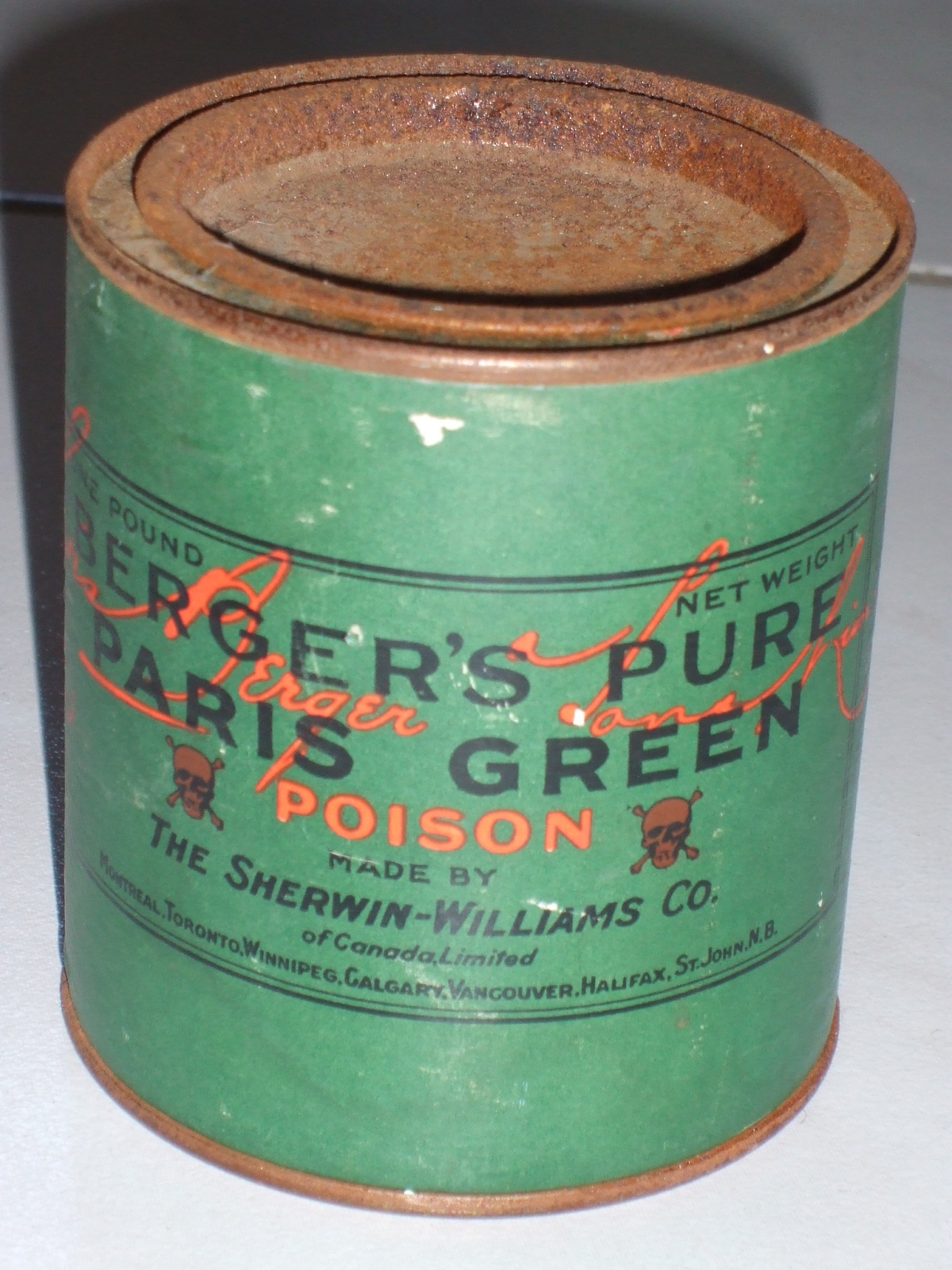
#50C878
Paris Green
A toxic emerald-green pigment once prized in art and used as an early insecticidePigment · 🇩🇪 Germany +4

#BFFF00
Lime
A sharp yellow-green named for the skin of the lime fruitNamed shade

#80FF00
Chartreuse
A bright yellow-green named after a French liqueurNamed shade

#43B3AE
Verdigris
A historic bluish-green pigment formed on copper and used in art since antiquityPigment · 🇬🇷 Greece +1

Green
Celadon青瓷
A jade-green ceramic glaze prized in East Asian pottery for centuriesNamed shade · 🇨🇳 China +4

Green
Scheele's green
A yellowish-green pigment once prized for its brilliance, now infamous for its toxicityPigment
More colours tied to Japan
The colours of Japan
#FF0000
Red
A primary colour seen in light, pigment, and tradition worldwideBasic colour · 🇺🇸 United States +5

#800080
Purple
A cool colour between red and blue, long linked with royalty and rarityBasic colour · 🇱🇧 Lebanon +5
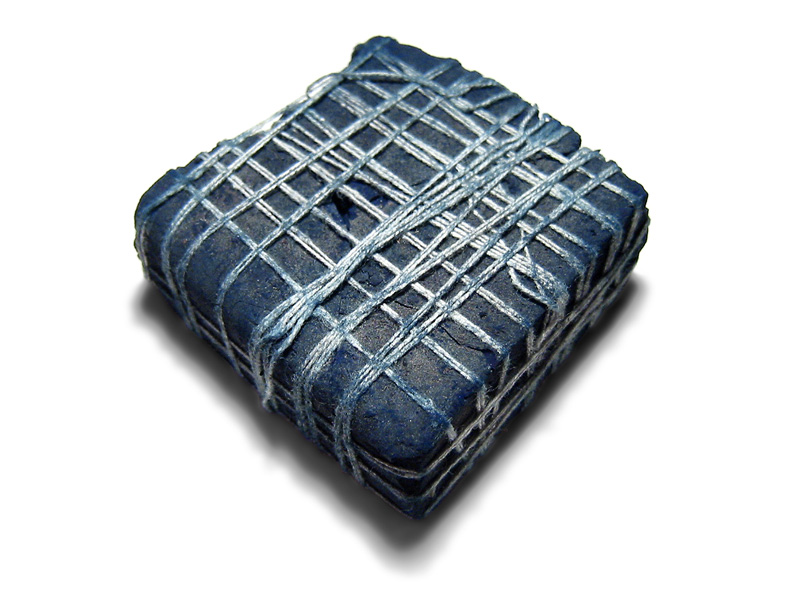
#6A5DFF
Indigo
A deep blue named for the dye once exported from IndiaNamed shade · 🇮🇳 India +5

Blue
Azurite
A deep blue copper mineral once prized as a pigment and gemstonePigment · 🇫🇷 France +5