Japanese violet
In its own language: すみれ色
A traditional Japanese violet shade used in kimono design since ancient times
Japanese violet is a deep shade of violet known in Japan as sumire-iro, meaning 'violet colour'. It belongs to a group of traditional Japanese colours used since at least 660 CE, often appearing in kimono designs.
Share on WhatsAppOpen in the lab
- Known in Japanese as sumire-iro, meaning 'violet colour'
- Used in Japan since at least 660 CE
- A traditional shade for kimono design
- Part of the traditional Japanese colours group
What colour is Japanese violet?
Japanese violet is a deep, muted violet shade, known in Japanese as sumire-iro. It stands out among purples for its connection to Japanese tradition and its use in textile design. The colour is part of a set of traditional Japanese colours, each with its own name and history. Japanese violet is neither as bright as some modern violets nor as dark as indigo, placing it in a distinctive spot in the violet family.
Where does Japanese violet come from?
The name Japanese violet comes from the Japanese word sumire-iro, which translates as 'violet colour'. This shade is part of a group of traditional Japanese colours that have been used since the beginning of Japan's recorded history, around 660 CE. These colours were originally made as dyes for textiles, especially for kimono, and each was given a specific name in Japanese.
Where Japanese violet is used
Japanese violet has long been used in Japan for dyeing textiles, especially kimono. The traditional Japanese colours, including sumire-iro, are chosen for their cultural significance and beauty. Designers use this shade to evoke a sense of tradition and to connect with the long history of Japanese textile arts.
Purple around the world
What the purple and violet family means from country to country.
Purple dye from the murasaki plant was costly and hard to make. In the court rank system set up under Prince Shotoku, the highest officials wore purple caps.
Royalty and powerAweSource: Twelve Level Cap and Rank SystemIn Holy Week, members of religious brotherhoods walk in procession in robes and pointed hoods, many of them purple, the colour of penance. A purple band also marked the flag of the Second Republic.
Sacred and holyPolitics and protestSource: Holy Week in SpainSuffragettes campaigning for women's votes wore purple, white and green: purple for dignity, white for purity and green for hope.
Politics and protestCourageSource: SuffragetteA child born to a reigning Byzantine emperor was called porphyrogennetos, born in the purple. The birth took place in a palace room lined with purple stone.
Royalty and powerAweSource: Born in the purpleIn the elections of 2005, voters dipped a finger in purple ink to prevent double voting. The stained finger, held up for cameras, became a sign of the vote.
Politics and protestPrideSource: Election inkThe Phoenician cities of Tyre and Sidon made Tyrian purple from sea snails. The dye was so costly that it became the colour of kings and Roman emperors.
Royalty and powerAweSource: Tyrian purpleShades and relatives of Japanese violet
Japanese violet is one of many traditional Japanese purples and violets, each with its own subtle differences. It is sometimes confused with other violet shades, but sumire-iro is distinct within the Japanese system of named colours.
Colours that go with Japanese violet
Harmonies are worked out from the value #5B3256. Contrast ratios follow the WCAG 2 formula.
Questions people ask about Japanese violet
What colour is Japanese violet?
Japanese violet is a deep, muted shade of violet. It is part of the traditional Japanese colours and is known for its use in textile design, especially kimono.
Where does the name Japanese violet come from?
The name comes from the Japanese word sumire-iro, which means 'violet colour'. It refers to a specific shade in the traditional Japanese colour system.
How long has Japanese violet been used?
Japanese violet has been used in Japan since at least 660 CE, as part of a group of traditional colours for dyeing textiles.
What is Japanese violet used for?
It is mainly used in textile design, especially for kimono, as part of the traditional Japanese palette.
Good reading and sources
The facts on this page come from the Wikipedia article "Shades of violet" (the section "Japanese violet"), written by its contributors and used under the CC BY-SA 4.0 licence. Rang rewrote the text in its own words, with AI assistance, and compares every page with the article to make sure no passage is copied. It may be reused under the same CC BY-SA 4.0 licence with a link back.
It may contain mistakes. The swatch is an approximation: named colours are not fixed standards, and every screen shows them a little differently. If something is wrong, tell us. Last refreshed 2026-10-03.
More of the purple and violet family
All of purple and violet
#8000FF
Violet
A bluish-purple seen in both flowers and the light spectrumBasic colour

#800080
Purple
A cool colour between red and blue, long linked with royalty and rarityBasic colour · 🇱🇧 Lebanon +5

#C8A2C8
Lilac
A soft purple inspired by the typical colour of lilac flowersNamed shade

Purple and violet
Tyrian purple
A reddish-purple dye once worth its weight in silver, made from sea snailsDye · 🇱🇧 Lebanon +4
Purple and violet
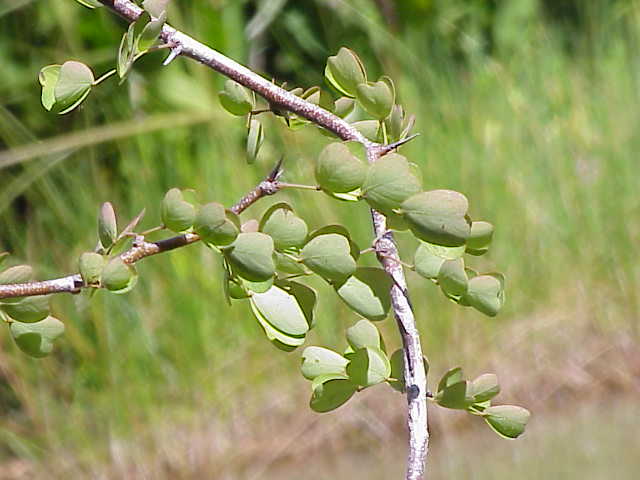
Logwood
A tree whose wood yields a dye once vital for textiles and scienceColour named from nature · 🇲🇽 Mexico +3

#E0B0FF
Mauve
A pale purple named after the mallow flower and once a fashion sensationNamed shade · 🇫🇷 France

#9966CC
Lavender
A pale purple named for the lavender flower, with many subtle variationsNamed shade
#CC8899
Puce
A brownish-purple shade named after the flea and once favoured in French fashionNamed shade · 🇫🇷 France +1
More colours tied to Japan
The colours of Japan
#FF0000
Red
A primary colour seen in light, pigment, and tradition worldwideBasic colour · 🇺🇸 United States +5
#6A5DFF
Indigo
A deep blue named for the dye once exported from IndiaNamed shade · 🇮🇳 India +5

Blue
Azurite
A deep blue copper mineral once prized as a pigment and gemstonePigment · 🇫🇷 France +5
Blue
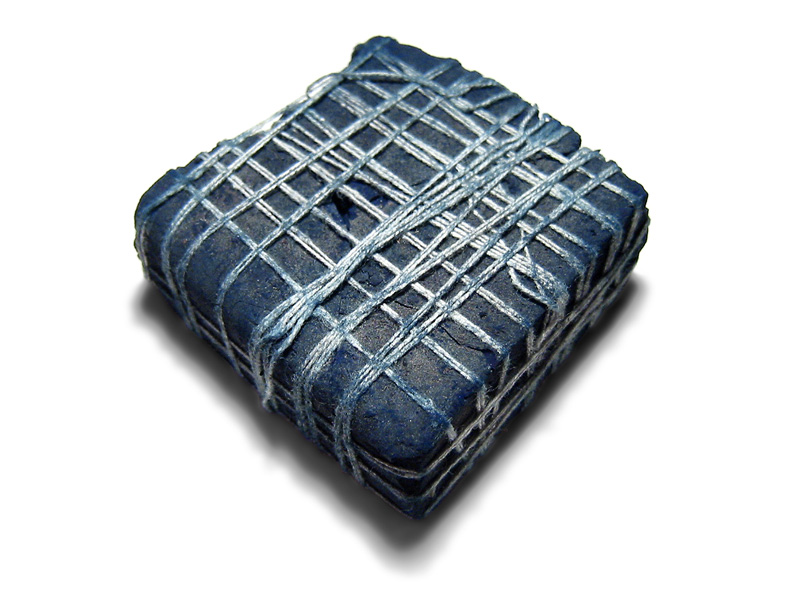
Indigo
A deep blue dye from plants, now mostly made synthetically and known for colouring denimDye · 🇮🇳 India +5