Vert
The heraldic name for green, seen on coats of arms and many national flags
No single value: Vert is a material, and its colour varies. The background shows its family, green.

Vert is the heraldic term for the colour green, used in coats of arms and flags. Its name comes from the French word for green, and it has been part of English heraldry since the 16th century. Vert appears in many national flags, especially in countries with Islamic or Pan-African symbolism.
- Vert is the heraldic term for green.
- It appears in many national flags, including Brazil and Pakistan.
- The word comes from French, meaning green.
- Vert is marked by slanted lines in black-and-white heraldic drawings.
- Linked with the emerald and Venus in poetic traditions.
What colour is Vert?
Vert is the name given to green in heraldry, the system of symbols and colours used on coats of arms. It is one of the main 'colours' in this tradition, standing out from other greens by its specific use in shields, banners, and badges. Vert is shown in black-and-white drawings by a pattern of slanted lines and is marked with the abbreviations v. or vt. in written descriptions.
Where does Vert come from?
The word vert comes directly from French, where it means green. English heraldry began using vert in the early 1500s. In French heraldry, the term sinople replaced vert for green from the 16th century onward, though sinople originally meant a red pigment. Other languages use their own words for green in heraldic contexts, such as verde in Spanish and Portuguese, and grün in German.
Where Vert is used
Vert is found on coats of arms, especially to show plants, hills, or other green elements. It became more common in heraldry from the 16th century. Many modern national flags use green fields or details, often for symbolic reasons. Examples include the flags of Brazil, Pakistan, Saudi Arabia, and Zambia, as well as historic Irish flags and the former flag of Libya.
What Vert means
In heraldry, vert has been linked with the emerald gemstone, the planet Venus, and the idea of love, though these links are mostly poetic and not widely used in modern practice. In the Muslim world, green is chosen for flags due to its religious significance, while in Africa, it can stand for the land's richness.
Green around the world
What the green family means from country to country.
The green field of the flag is commonly said to stand for the forests. It was first the colour of the House of Braganza, the family of the first emperor.
Politics and protestNature and renewalPrideSource: Flag of BrazilFrom 1977 to 2011 the flag was plain green with no design at all. Green stood for Muammar Gaddafi's political ideas, set out in his Green Book.
Politics and protestSource: Flag of LibyaThe dark green of the flag stands for the Muslim majority. The crescent on it is for progress and the star for light and knowledge.
Politics and protestSacred and holyPrideSource: Flag of PakistanThe national cricket team plays in green and is known as the Green Shirts or the Men in Green. Fans paint their faces green and white for big matches.
Festival and celebrationPrideSource: Pakistan national cricket teamThe flag is green with the Muslim declaration of faith and a sword in white. Because of the sacred text it is never flown at half mast.
Sacred and holyPolitics and protestPrideSource: Flag of Saudi ArabiaThe national football team plays in green and white and is called the Green Falcons. On National Day, 23 September, cities are lit in green.
Festival and celebrationPrideSource: Saudi Arabia national football teamShades and relatives of Vert
Vert is the standard green in heraldry, but other terms are used in different countries. Sinople, verde, sinopel, and grün all refer to green in various heraldic traditions. In early French heraldry, sinople once meant red before it shifted to green.
Questions people ask about Vert
What colour is vert in heraldry?
Vert is the heraldic name for green, used on coats of arms and flags.
Where does the word vert come from?
Vert comes from French, where it simply means green. English heraldry adopted it in the early 16th century.
Where is vert used today?
Vert is used in many national flags, especially in countries such as Brazil, Pakistan, and Saudi Arabia, as well as in coats of arms and heraldic designs.
How is vert shown in black-and-white heraldry?
Vert is represented by a pattern of slanted lines in heraldic drawings and by the abbreviations v. or vt. in written descriptions.
Good reading and sources
- Vert (tincture) on WikipediaEncyclopedia
- More pictures on Wikimedia CommonsPictures
- Wikidata recordOpen data
The facts on this page come from the Wikipedia article "Vert (tincture)", written by its contributors and used under the CC BY-SA 4.0 licence, and from its Wikidata record (CC0). Rang rewrote the text in its own words, with AI assistance, and compares every page with the article to make sure no passage is copied. It may be reused under the same CC BY-SA 4.0 licence with a link back.
It may contain mistakes. The swatch is an approximation: named colours are not fixed standards, and every screen shows them a little differently. If something is wrong, tell us. Last refreshed 2026-10-03.
More of the green family
All of green
Green
Malachite
A banded green mineral and pigment once prized for art and decorationColour named from nature · 🇪🇬 Egypt +4

#50C878
Paris Green
A toxic emerald-green pigment once prized in art and used as an early insecticidePigment · 🇩🇪 Germany +4

#43B3AE
Verdigris
A historic bluish-green pigment formed on copper and used in art since antiquityPigment · 🇬🇷 Greece +1

Green
Celadon青瓷
A jade-green ceramic glaze prized in East Asian pottery for centuriesNamed shade · 🇨🇳 China +4

Green
Scheele's green
A yellowish-green pigment once prized for its brilliance, now infamous for its toxicityPigment

Green
Jade
A decorative stone prized for its green shades and cultural meaning across continentsColour named from nature · 🇨🇳 China +5

#4D5D53
Feldgrau
A green-grey shade long used for military uniforms in Germany and beyondNamed shade · 🇩🇪 Germany +5

#DADD98
Green earth
A natural green pigment from celadonite and glauconite, used since ancient RomePigment · 🇮🇹 Italy +3
More colours tied to Brazil
The colours of Brazil
Orange
Annatto
A yellow-orange dye and flavour from the seeds of the achiote treeDye · 🇲🇽 Mexico +5
Red
Brazilin
A red dye from brazilwood and sappanwood, used in textiles and paints since the Middle AgesDye · 🇧🇷 Brazil +4

#86A1A9
Tourmalineටෝරමල්ලි
A mineral group prized for its rainbow of gemstone coloursColour named from nature · 🇱🇰 Sri Lanka +5
Black
Onyx
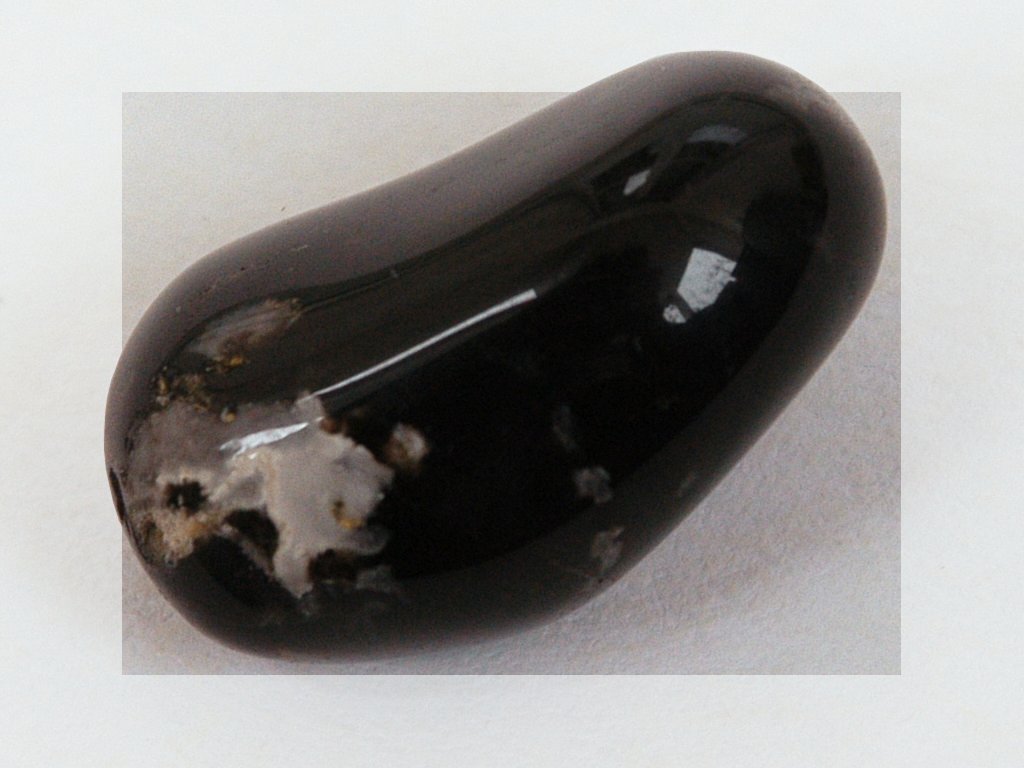
A banded stone, usually black and white, prized for carving and jewelleryColour named from nature · 🇲🇽 Mexico +5