Majorelle Blue
A vivid deep blue named for artist Jacques Majorelle and his Marrakesh garden

Majorelle Blue is a striking, rich blue shade made famous by Jacques Majorelle in the 1920s. He used it for the walls and features of his Marrakesh garden, inspired by the intense blues seen in Moroccan tiles and Berber clothing.
Share on WhatsAppOpen in the lab
- Named for French artist Jacques Majorelle
- First used in the Majorelle Garden, Marrakesh, in 1924
- Inspired by Moroccan tiles and Berber clothing
- Trademarked as Majorelle Blue
What colour is Majorelle Blue?
Majorelle Blue is a bold, clear shade of deep blue. It stands out for its intensity and freshness, making it easily recognisable among other blues. The colour is closely tied to Moroccan visual culture, where similar blues appear in tiles and textiles. Its particular vibrancy sets it apart from more muted or greyish blues.
Where does Majorelle Blue come from?
The colour is named after Jacques Majorelle, a French artist who settled in Marrakesh. In 1924, he created the Majorelle Garden and painted its walls, fountains, and villa in this vivid blue. Majorelle was inspired by the blue found in Moroccan tiles, Berber burnouses (a type of cloak), and the window frames of local buildings. He trademarked the name Majorelle Blue for this unique shade.

Where Majorelle Blue is used
Majorelle Blue is most famously used in the Majorelle Garden in Marrakesh, where it covers garden walls, fountains, and architectural details. The colour draws from traditional Moroccan design, where similar blues are seen in tiles and textiles, as well as on the exteriors of adobe homes and kasbahs.
Blue around the world
What the blue family means from country to country.
The old town of Chefchaouen in the Rif mountains is washed in shades of blue. The reasons given vary: a Jewish custom, keeping houses cool, or keeping mosquitoes away.
Protection and healingCalmSource: ChefchaouenFes is known for pottery painted in cobalt blue on white, called Fassi blue. In Marrakesh a strong ultramarine is named Majorelle blue after the garden where it was used.
Nature and renewalSource: Majorelle BlueLapis lazuli has been mined in the mountains of Badakhshan for more than six thousand years. Ground to powder it gave ultramarine, the costliest blue in European painting.
Royalty and powerSacred and holyAweSource: Lapis lazuliThe chadari is a full-length covering for women with a mesh panel over the eyes. In Kabul and the north it is most often a light blue.
Protection and healingSource: BurqaThe blue band of the flag stands for the wish of the Armenian people to live under peaceful skies. The red above it is for the highlands and the struggle to survive.
Politics and protestHopeSource: Flag of ArmeniaThe flag is sky blue, white and sky blue, created by Manuel Belgrano in 1812. National teams are called the Albiceleste, the white and sky blue.
Politics and protestPrideSource: Flag of ArgentinaShades and relatives of Majorelle Blue
Majorelle Blue is a specific, trademarked shade of deep blue. It is sometimes confused with other intense blues used in Moroccan art and architecture, but its particular tone and association with the Majorelle Garden set it apart.
Colours that go with Majorelle Blue
Harmonies are worked out from the value #6050DC. Contrast ratios follow the WCAG 2 formula.
Questions people ask about Majorelle Blue
What colour is Majorelle Blue?
Majorelle Blue is a clear, intense, and deep shade of blue, known for its vividness and freshness.
Where does the name Majorelle Blue come from?
The colour is named after Jacques Majorelle, a French artist who created the Majorelle Garden in Marrakesh and used this blue for its walls and features.
What inspired the creation of Majorelle Blue?
Jacques Majorelle was inspired by the blue seen in Moroccan tiles, Berber burnouses, and the window frames of local adobe buildings.
Where is Majorelle Blue most famously used?
It is most famously used in the Majorelle Garden in Marrakesh, Morocco, covering walls, fountains, and the villa.
Good reading and sources
The facts on this page come from the Wikipedia article "Majorelle Blue", written by its contributors and used under the CC BY-SA 4.0 licence, and from its Wikidata record (CC0). Rang rewrote the text in its own words, with AI assistance, and compares every page with the article to make sure no passage is copied. It may be reused under the same CC BY-SA 4.0 licence with a link back.
It may contain mistakes. The swatch is an approximation: named colours are not fixed standards, and every screen shows them a little differently. If something is wrong, tell us. Last refreshed 2026-10-03.
More of the blue family
All of blue
Blue
Lapis lazuli
A deep blue stone prized for jewellery and the source of ultramarine pigmentColour named from nature · 🇦🇫 Afghanistan +5
#6A5DFF
Indigo
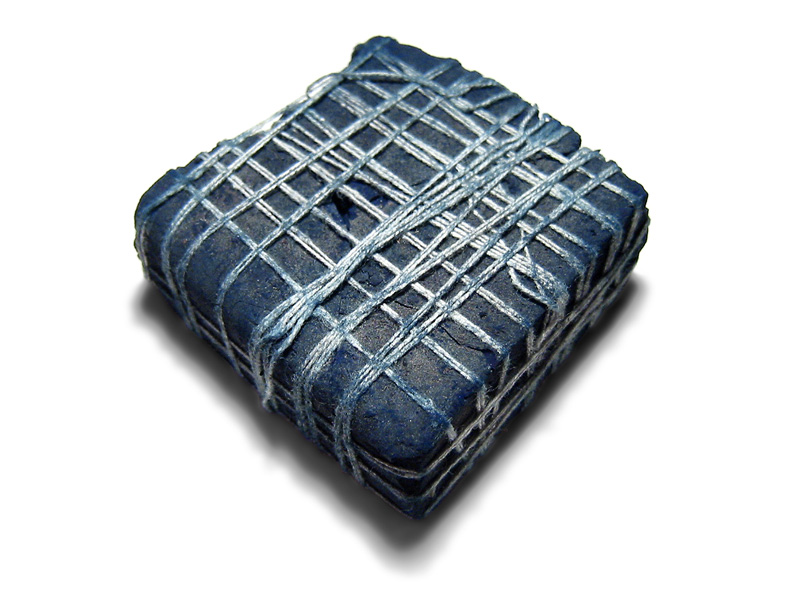
A deep blue named for the dye once exported from IndiaNamed shade · 🇮🇳 India +5

Blue
Azurite
A deep blue copper mineral once prized as a pigment and gemstonePigment · 🇫🇷 France +5

Blue
Woad
A blue dye once vital to Europe's textile trade, made from the leaves of a flowering plantDye · 🇫🇷 France +3
Blue
Indigo
A deep blue dye from plants, now mostly made synthetically and known for colouring denimDye · 🇮🇳 India +5
#120A8F
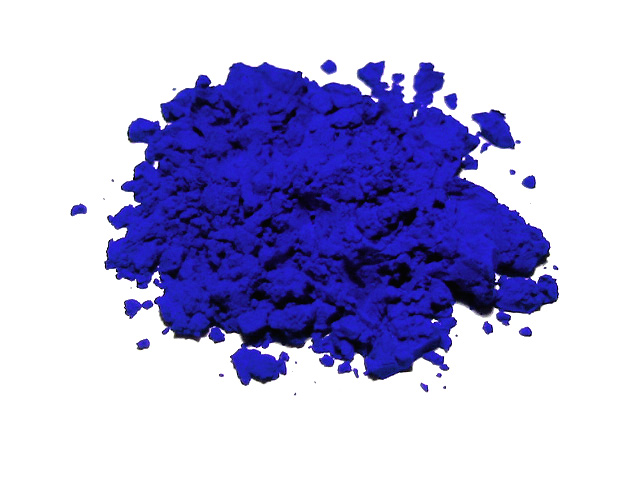
Ultramarine
A deep blue pigment once made from lapis lazuli, prized for centuries in artPigment · 🇦🇫 Afghanistan +2

#003153
Prussian blue
A deep blue pigment first made in Berlin in the early 1700sPigment · 🇯🇵 Japan

#007FFF
Azure
A clear sky blue, halfway between blue and cyan on the colour wheelNamed shade · 🇮🇹 Italy +2
More colours tied to Morocco
The colours of Morocco
Purple and violet
Tyrian purple
A reddish-purple dye once worth its weight in silver, made from sea snailsDye · 🇱🇧 Lebanon +4

Red
Hennaحِنَّاء
A reddish dye from the henna plant, used for body art and hair since ancient timesColour named from nature · 🇪🇬 Egypt +5

Red
Red hair
A rare human hair colour ranging from deep burgundy to strawberry blondNamed shade · 🇮🇪 Ireland +3

Red
Dragon's blood
A deep red resin from several plants, used as pigment, dye and varnish since ancient timesColour named from nature · 🇮🇳 India +3