Indian red
A deep red pigment once sourced from Indian laterite soil, now made from iron oxide

Indian red is a pigment and colour, originally made from iron-rich soil in India and now produced synthetically. It is a deep, earthy red, stable in light and chemicals, and has been used in art, railway livery, and as a crayon colour since at least the 17th century.
Share on WhatsAppOpen in the lab
- Originally made from Indian laterite soil rich in iron oxide
- First recorded as a colour name in English in 1672
- Now produced synthetically for stability and consistency
- Used in railway livery in the UK and Australia
- Related to other iron oxide reds like Venetian and English red
What colour is Indian red?
Indian red is a deep, earthy red pigment. Its colour comes from ferric oxide, a mineral compound found in iron-rich soils. The shade is darker and more subdued than scarlet, with a muted, natural appearance. It stands out for its stability and resistance to fading or chemical change, making it a reliable choice in painting and industrial use. Indian red is closely related to other iron oxide reds like Venetian red and English red, but has its own distinct tone.
Where does Indian red come from?
The name Indian red comes from the pigment's original source: red laterite soil in India, rich in natural iron oxides. The pigment was imported to Europe and elsewhere, and its use as a colour name in English dates back to 1672. Over time, the pigment began to be made synthetically, but the name remained. Indian red has also been known as a variety of ocher, and its name reflects its Indian origin rather than any association with people.
How is Indian red made?
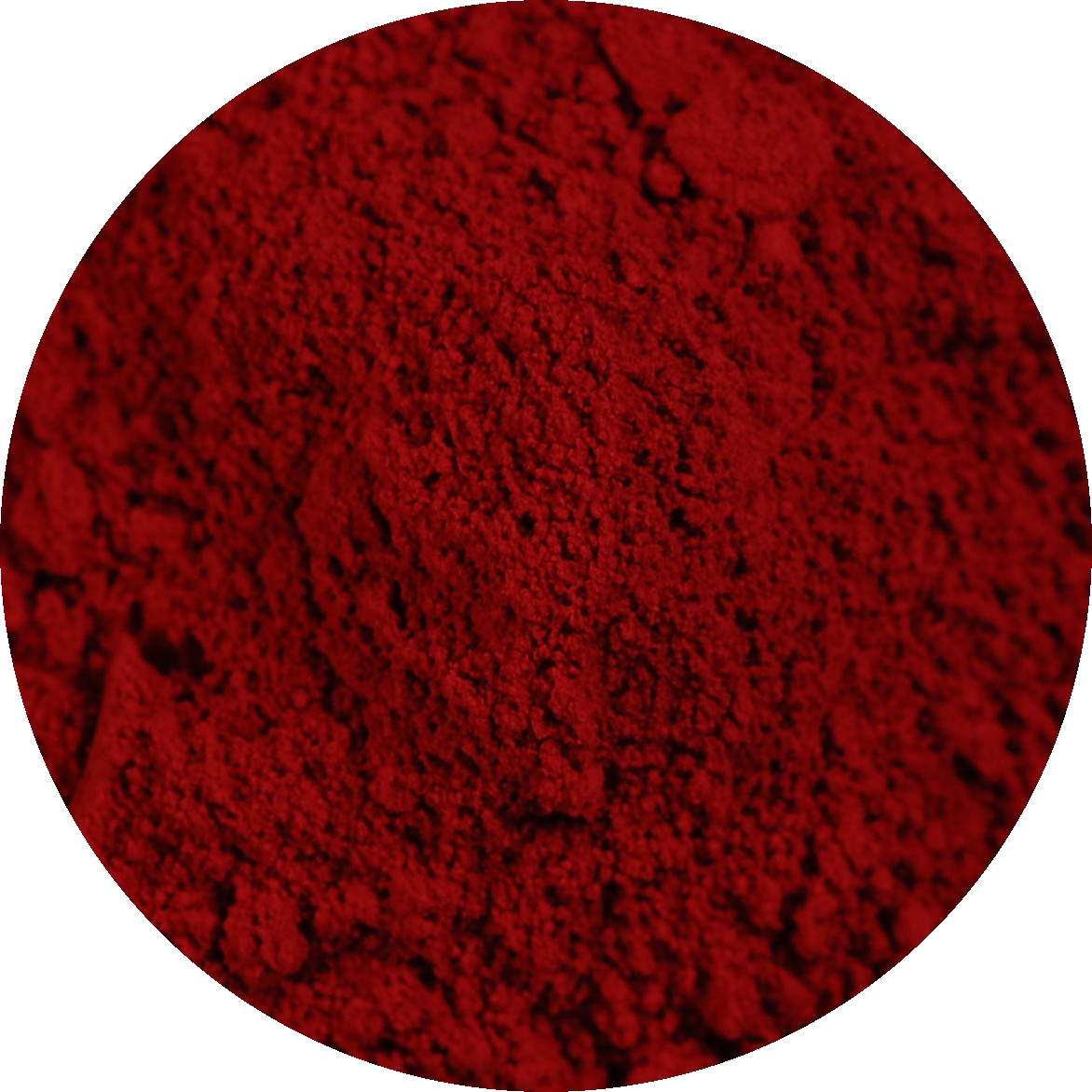
Indian red was once obtained by grinding naturally occurring iron-rich soil, especially laterite from India. Today, it is mostly produced artificially by creating ferric oxide through chemical processes. The pigment is extremely stable, unaffected by light or most chemicals, and only changes colour if heated enough to remove water from hydrated forms.
Where Indian red is used
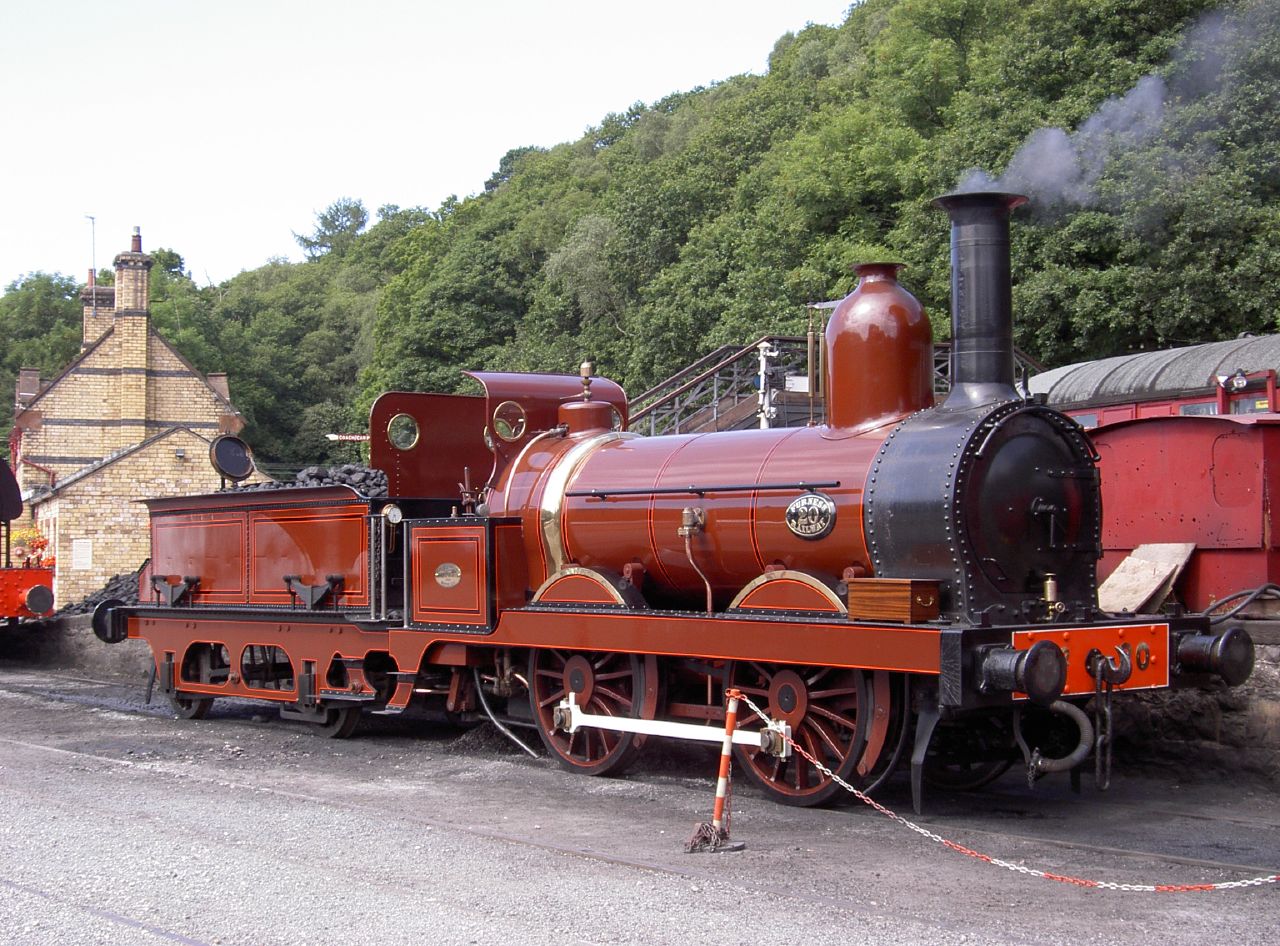
This pigment has long been used by painters for its reliable, earthy red tone. In the UK and Australia, Indian red has also been a popular colour for railway locomotives and carriages. The Talyllyn and Furness Railways, as well as the New South Wales railways, have all used Indian red in their livery. It was also a crayon colour, though the name was changed in 1999.
Red around the world
What the red family means from country to country.
Many Hindu brides marry in a red sari or lehenga. In much of north India a married woman wears sindoor, a red powder, along the parting of her hair.
Weddings and marriageLuck and prosperityJoyLoveSource: SindoorThe flag uses the four Pan-Arab colours: a red bar at the hoist with green, white and black bands. It was designed by a young Emirati, Abdullah Al Maainah, in 1971.
Politics and protestPrideSource: Flag of the United Arab EmiratesThe flag is a black double-headed eagle on red, the banner of the fifteenth-century hero Skanderbeg. Fans chant Kuq e Zi, red and black.
Politics and protestPrideSource: Flag of AlbaniaArmenian scribes painted manuscripts with vordan karmir, a crimson dye made from an insect that lives on the roots of grasses in the Ararat plain.
Sacred and holySource: Armenian cochinealUnder Juan Manuel de Rosas in the 1830s and 1840s, everyone had to wear a scarlet ribbon to show loyalty to his Federalist party. His enemies, the Unitarians, were tied to sky blue.
Politics and protestFearSource: Juan Manuel de RosasThe flag is red, white and red. Legend says Duke Leopold V's white tunic was soaked in blood at the siege of Acre, all but the band under his belt.
Politics and protestCourageSource: Flag of AustriaShades and relatives of Indian red
Related shades include Venetian red, English red, and Kobe, all made from iron oxide pigments but differing slightly in tone. Venetian red is lighter and warmer, while English red is sometimes used as another name for Indian red. Kobe is a darker tone, and its colour coordinates match those of sienna. Indian red has also been called chestnut in crayons.
Colours that go with Indian red
Harmonies are worked out from the value #CD5C5C. Contrast ratios follow the WCAG 2 formula.
Questions people ask about Indian red
What colour is Indian red?
Indian red is a deep, earthy red pigment with a muted, natural appearance. It is darker than scarlet and is made from iron oxide.
Where does the name Indian red come from?
The name comes from the pigment's original source: red laterite soil found in India, which is rich in iron oxides.
How is Indian red made?
It was once made by grinding natural iron-rich soil from India. Today, it is mostly produced synthetically from ferric oxide.
What is Indian red used for?
Indian red has been used in painting and as a colour for railway locomotives and carriages, especially in the UK and Australia.
What are some related colours to Indian red?
Venetian red, English red, and Kobe are all related shades made from iron oxide pigments, each with slightly different tones.
Good reading and sources
The facts on this page come from the Wikipedia article "Iron oxide red", written by its contributors and used under the CC BY-SA 4.0 licence, and from its Wikidata record (CC0). Rang rewrote the text in its own words, with AI assistance, and compares every page with the article to make sure no passage is copied. It may be reused under the same CC BY-SA 4.0 licence with a link back.
It may contain mistakes. The swatch is an approximation: named colours are not fixed standards, and every screen shows them a little differently. If something is wrong, tell us. Last refreshed 2026-10-03.
More of the red family
All of red
Red
Cinnabar
A scarlet to brick-red mineral and the main source of mercury and vermilion pigmentColour named from nature · 🇪🇸 Spain +5

Red
Realgar
An orange-red arsenic sulfide mineral once used as a pigment and poisonPigment · 🇨🇳 China +5

#E25822
Scarlet
A bright red with a touch of orange, long tied to power, sacrifice and sinNamed shade · 🇹🇷 Turkey +4
Red
Carmine
A deep red pigment made from cochineal insects, once prized across continentsPigment · 🇫🇷 France +2

Red
Rubia
A group of plants whose roots once dyed cloth and paint a lasting redColour named from nature · 🇪🇬 Egypt +5

#E34234
Vermilion
A brilliant orange-red pigment, once made from toxic mercury orePigment · 🇹🇷 Turkey +5

#DC143C
Crimson
A deep red with a hint of purple, once made from insectsNamed shade · 🇳🇵 Nepal

#E32636
Alizarin
A deep red dye first made from madder roots, later produced from coal tarDye · 🇹🇷 Turkey +1
More colours tied to India
The colours of India
Yellow
Turmeric
A golden yellow dye and spice from the rhizome of a tropical plantColour named from nature · 🇮🇳 India +5
#6A5DFF
Indigo
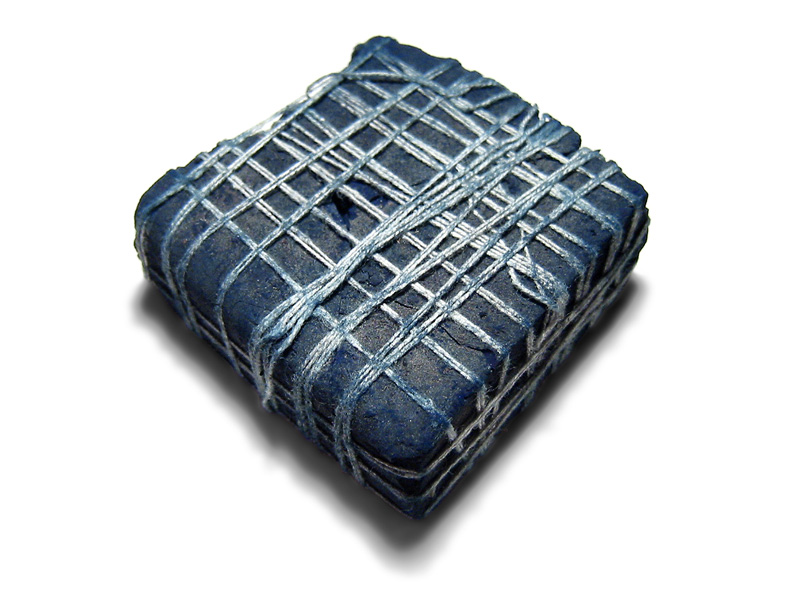
A deep blue named for the dye once exported from IndiaNamed shade · 🇮🇳 India +5

Brown
Terracotta
A clay-based material and colour, known for its reddish-brown toneColour named from nature · 🇮🇳 India +4
White
Zinc oxide
A white inorganic powder used in pigments, ointments, ceramics and electronicsPigment · 🇮🇳 India +2