Abir
A coloured powder used in Hindu rituals and the Holi festival
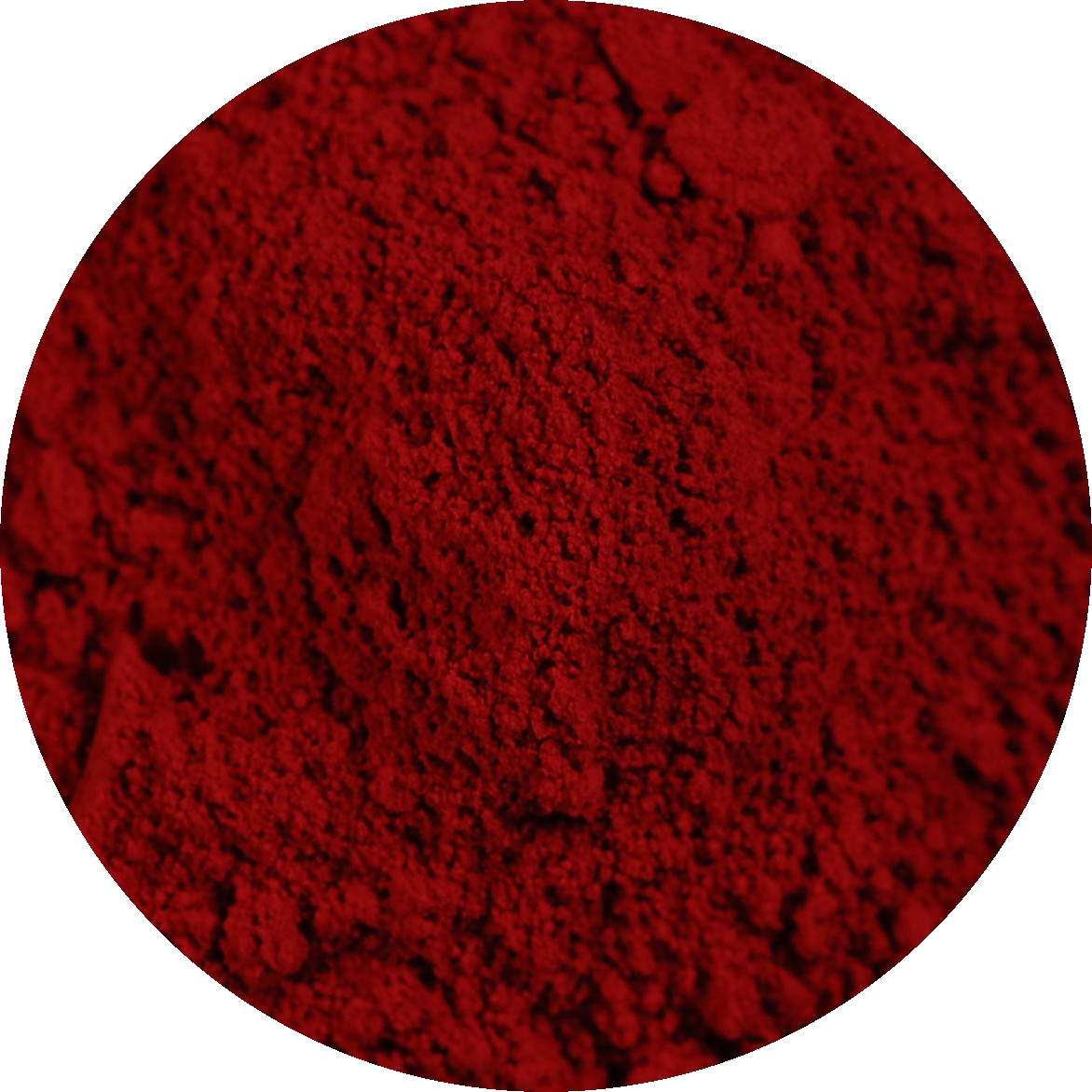
No single value: Abir is a material, and its colour varies. The background shows its family, red.

Abir, also called gulal, is a coloured powder used in Hindu rituals, most famously during the Holi festival in India. Traditionally made from flower-based natural dyes, it is now often produced with synthetic chemicals, though herbal alternatives exist due to health and environmental concerns.
- Abir is widely used during the Holi festival in India.
- Traditionally, it was made from flowers and natural dyes.
- Synthetic versions can cause skin and health problems.
- Herbal abir uses turmeric, indigo or annatto for safer colours.
- Abir is also used in weddings and funerals in Hindu rituals.
What colour is Abir?
Abir, also known as gulal, is a brightly coloured powder used in Hindu rituals and celebrations, especially during the Holi festival. While it is available in many colours, it is most closely linked with red. The powder is thrown or smeared on people as part of joyful gatherings, marking it as a symbol of festivity and togetherness.
Where does Abir come from?
The use of abir is rooted in Hindu tradition, with stories linking its origins to the myth of Krishna and Radha. Krishna, concerned about his darker skin compared to Radha, was told by his mother to colour Radha's face, leading to the playful custom of throwing coloured powders. The name 'gulal' and 'abir' refer to these powders in various regions of India.
How is Abir made?
Originally, abir was made from powdered flowers such as those from the Indian coral tree and flame of the forest, valued for their skin-friendly properties. With the rise of synthetic dyes in the 19th century, chemical versions became common, though some are unsafe for skin. Concerns over health have led to a return to herbal powders made from turmeric, indigo, and annatto.


Where Abir is used
Abir is central to the Holi festival, where people throw the powder at each other in celebration. It is also used in other Hindu ceremonies, such as weddings and funerals, where it plays a role in marking transitions and blessings. Beyond rituals, it appears in music videos and public festivities, spreading beyond its religious roots.
What Abir means
In Hindu culture, abir symbolises love, equality, and celebration. During Holi, it marks the breaking down of social barriers and the coming together of people. In weddings, it prepares couples for married life, while in funerals, it is used in rituals of farewell. The meanings are deeply tied to Indian traditions and beliefs.
Red around the world
What the red family means from country to country.
Many Hindu brides marry in a red sari or lehenga. In much of north India a married woman wears sindoor, a red powder, along the parting of her hair.
Weddings and marriageLuck and prosperityJoyLoveSource: SindoorThe flag uses the four Pan-Arab colours: a red bar at the hoist with green, white and black bands. It was designed by a young Emirati, Abdullah Al Maainah, in 1971.
Politics and protestPrideSource: Flag of the United Arab EmiratesThe flag is a black double-headed eagle on red, the banner of the fifteenth-century hero Skanderbeg. Fans chant Kuq e Zi, red and black.
Politics and protestPrideSource: Flag of AlbaniaArmenian scribes painted manuscripts with vordan karmir, a crimson dye made from an insect that lives on the roots of grasses in the Ararat plain.
Sacred and holySource: Armenian cochinealUnder Juan Manuel de Rosas in the 1830s and 1840s, everyone had to wear a scarlet ribbon to show loyalty to his Federalist party. His enemies, the Unitarians, were tied to sky blue.
Politics and protestFearSource: Juan Manuel de RosasThe flag is red, white and red. Legend says Duke Leopold V's white tunic was soaked in blood at the siege of Acre, all but the band under his belt.
Politics and protestCourageSource: Flag of AustriaShades and relatives of Abir
Abir comes in a range of colours, though red is most traditional. Modern powders may be made from synthetic dyes, which can be harmful, while herbal versions use plant-based ingredients. The term 'gulal' is often used interchangeably with 'abir', though both refer to the same coloured powders.
When Abir is worn and shown
Questions people ask about Abir
What colour is abir?
Abir is a coloured powder, most commonly associated with red, but it is available in many other colours as well.
Where does the name abir come from?
Abir is a traditional name for coloured powders used in Hindu rituals, especially in India. It is also called gulal in many regions.
How is abir made?
Abir was once made from powdered flowers with medicinal properties. Today, it is often produced with synthetic dyes, though herbal versions use turmeric, indigo, or annatto.
What is abir used for?
Abir is used in Hindu rituals, most famously during the Holi festival, and also in weddings and funerals to mark special occasions.
Is abir safe for the skin?
Traditional abir made from natural ingredients is generally safe, but some synthetic versions can cause skin irritation and other health problems.
Good reading and sources
The facts on this page come from the Wikipedia article "Gulal", written by its contributors and used under the CC BY-SA 4.0 licence, and from its Wikidata record (CC0). Rang rewrote the text in its own words, with AI assistance, and compares every page with the article to make sure no passage is copied. It may be reused under the same CC BY-SA 4.0 licence with a link back.
It may contain mistakes. The swatch is an approximation: named colours are not fixed standards, and every screen shows them a little differently. If something is wrong, tell us. Last refreshed 2026-10-03.
More of the red family
All of red
Red
Cinnabar
A scarlet to brick-red mineral and the main source of mercury and vermilion pigmentColour named from nature · 🇪🇸 Spain +5

Red
Realgar
An orange-red arsenic sulfide mineral once used as a pigment and poisonPigment · 🇨🇳 China +5
Red
Carmine
A deep red pigment made from cochineal insects, once prized across continentsPigment · 🇫🇷 France +2

#E25822
Scarlet
A bright red with a touch of orange, long tied to power, sacrifice and sinNamed shade · 🇹🇷 Turkey +4

#E34234
Vermilion
A brilliant orange-red pigment, once made from toxic mercury orePigment · 🇹🇷 Turkey +5

Red
Rubia
A group of plants whose roots once dyed cloth and paint a lasting redColour named from nature · 🇪🇬 Egypt +5

#DC143C
Crimson
A deep red with a hint of purple, once made from insectsNamed shade · 🇳🇵 Nepal

#E32636
Alizarin
A deep red dye first made from madder roots, later produced from coal tarDye · 🇹🇷 Turkey +1
More colours tied to India
The colours of India
Yellow
Turmeric
A golden yellow dye and spice from the rhizome of a tropical plantColour named from nature · 🇮🇳 India +5
#6A5DFF
Indigo
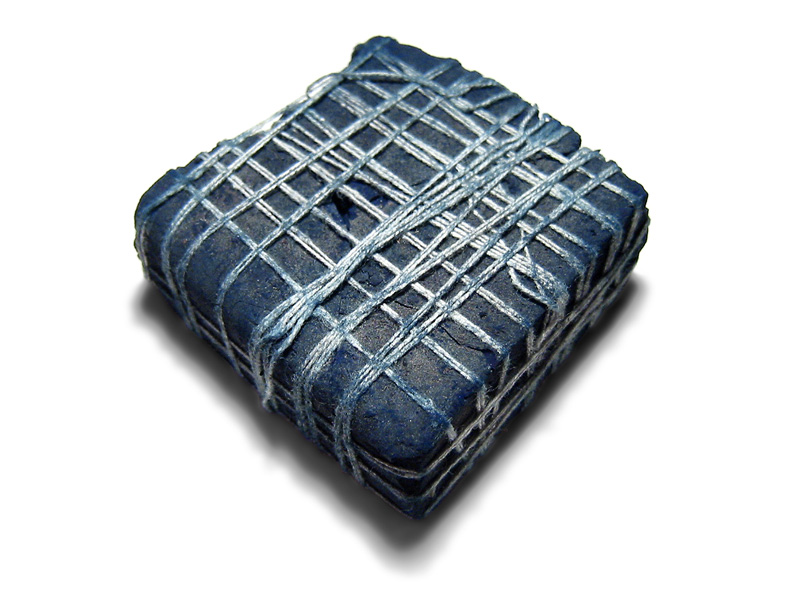
A deep blue named for the dye once exported from IndiaNamed shade · 🇮🇳 India +5

Brown
Terracotta
A clay-based material and colour, known for its reddish-brown toneColour named from nature · 🇮🇳 India +4
White
Zinc oxide
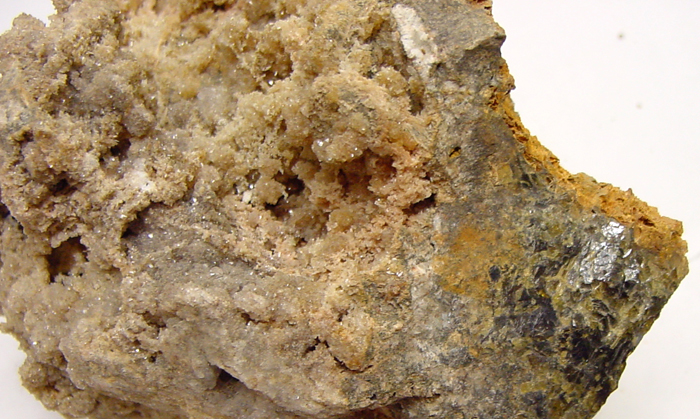
A white inorganic powder used in pigments, ointments, ceramics and electronicsPigment · 🇮🇳 India +2