Maya blue
In its own language: azul maya
A vivid turquoise blue pigment made by the ancient Maya and Aztecs

Maya blue is a bright turquoise or azure pigment created by pre-Columbian cultures such as the Maya and Aztecs from about the 8th century to the 19th century. Known for its lasting colour, it appears in murals, ceramics, and codices, and is made from indigo plant dye and palygorskite clay.
Share on WhatsAppOpen in the lab
- Made from indigo plant dye and palygorskite clay
- Used by Maya and Aztec cultures from about 800 to 1860 CE
- Murals with Maya blue have survived over 1,000 years in Mexico
- Extremely resistant to acids, solvents, and harsh weather
- Used in rituals, including offerings to the rain god Chaak
What colour is Maya blue?
Maya blue is a striking turquoise or azure pigment, brighter than most natural blues. It stands out for its vividness and exceptional resistance to fading, solvents, and harsh weather. This colour is most often seen in murals, ceramics, and codices from ancient Mesoamerica, where it has survived for centuries without losing its intensity.
Where does Maya blue come from?
The name 'Maya blue' comes from its use by the Maya civilisation, though it was also used by the Aztecs and later in colonial Mexico and Cuba. The pigment first appeared around the 8th century and was made until the 19th century. Its recipe was lost for a time but rediscovered through historical texts and scientific analysis in the late 20th century.
How is Maya blue made?
Maya blue is made by heating indigo dye, extracted from the leaves of the anil plant (Indigofera suffruticosa), together with palygorskite, a type of clay. The process can include burning copal incense with the mixture. The result is a stable compound that resists acids, alkalis, and weathering. The exact method was reconstructed from historical sources and laboratory studies.
Where Maya blue is used
This pigment coloured murals, ceramics, sculptures, and codices in pre-Columbian Mesoamerica. It was also used in post-conquest art that blended indigenous and European styles. In some rituals, Maya blue was used to paint the bodies of sacrificial victims. Its lasting colour has helped authenticate ancient documents such as the Grolier Codex.
What Maya blue means
In Maya culture, Maya blue was linked to the centre of a flame, representing heat and preciousness. It played a role in rituals, including offerings to the rain god Chaak at Chichén Itzá, where it was used to paint bodies for sacrifice. The pigment is associated with sacredness and the natural world in Mesoamerican belief.
Blue around the world
What the blue family means from country to country.
The flag has three blue stripes for the three old departments of the island, two white ones for the purity of the cause, and a red triangle with a white star.
Politics and protestSource: Flag of CubaMaya blue is a bright, lasting pigment made by heating indigo with a special clay. Maya painters used it on murals, pottery and offerings to the rain god.
Sacred and holySource: Maya blueLapis lazuli has been mined in the mountains of Badakhshan for more than six thousand years. Ground to powder it gave ultramarine, the costliest blue in European painting.
Royalty and powerSacred and holyAweSource: Lapis lazuliThe chadari is a full-length covering for women with a mesh panel over the eyes. In Kabul and the north it is most often a light blue.
Protection and healingSource: BurqaThe blue band of the flag stands for the wish of the Armenian people to live under peaceful skies. The red above it is for the highlands and the struggle to survive.
Politics and protestHopeSource: Flag of ArmeniaThe flag is sky blue, white and sky blue, created by Manuel Belgrano in 1812. National teams are called the Albiceleste, the white and sky blue.
Politics and protestPrideSource: Flag of ArgentinaShades and relatives of Maya blue
Maya blue is related to other artificial blue pigments like Egyptian blue and Chinese blue. Its unique composition and durability set it apart. A pigment called Maya Violet has been developed using similar chemistry. Maya blue is sometimes confused with other turquoise or azure pigments but is distinct for its stability and origin.
Colours that go with Maya blue
Harmonies are worked out from the value #73C2FB. Contrast ratios follow the WCAG 2 formula.
Questions people ask about Maya blue
What colour is Maya blue?
Maya blue is a bright turquoise or azure blue, more vivid and stable than most natural blues. It appears in ancient murals and ceramics from Mesoamerica.
Where does the name 'Maya blue' come from?
The name comes from its use by the Maya civilisation, though it was also used by the Aztecs and in colonial Mexico and Cuba.
How was Maya blue made?
It was made by heating indigo dye from the anil plant with palygorskite clay, sometimes with copal incense, to create a stable and lasting pigment.
What was Maya blue used for?
It coloured murals, ceramics, sculptures, and codices, and was used in rituals, including painting the bodies of sacrificial victims.
Why is Maya blue special?
Its colour has lasted for centuries, resisting fading, acids, and harsh weather, making it one of the most durable pigments known.
Good reading and sources
- ‘Maya blue’: The mystery dye recreated two centuries after it was lostAl Jazeera, Article
- 6 antiguas tecnologías que desconcertaron a la ciencia moderna (y aún son difíciles de replicar)BBC, Article
The facts on this page come from the Wikipedia article "Maya blue", written by its contributors and used under the CC BY-SA 4.0 licence, and from its Wikidata record (CC0). Rang rewrote the text in its own words, with AI assistance, and compares every page with the article to make sure no passage is copied. It may be reused under the same CC BY-SA 4.0 licence with a link back.
It may contain mistakes. The swatch is an approximation: named colours are not fixed standards, and every screen shows them a little differently. If something is wrong, tell us. Last refreshed 2026-10-03.
More of the blue family
All of blue
Blue
Lapis lazuli
A deep blue stone prized for jewellery and the source of ultramarine pigmentColour named from nature · 🇦🇫 Afghanistan +5
#6A5DFF
Indigo
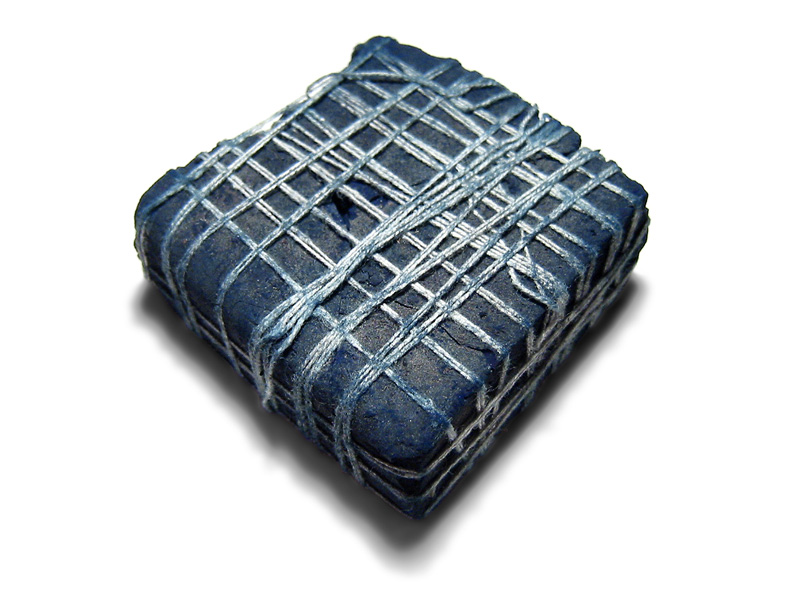
A deep blue named for the dye once exported from IndiaNamed shade · 🇮🇳 India +5

Blue
Azurite
A deep blue copper mineral once prized as a pigment and gemstonePigment · 🇫🇷 France +5

Blue
Woad
A blue dye once vital to Europe's textile trade, made from the leaves of a flowering plantDye · 🇫🇷 France +3
Blue
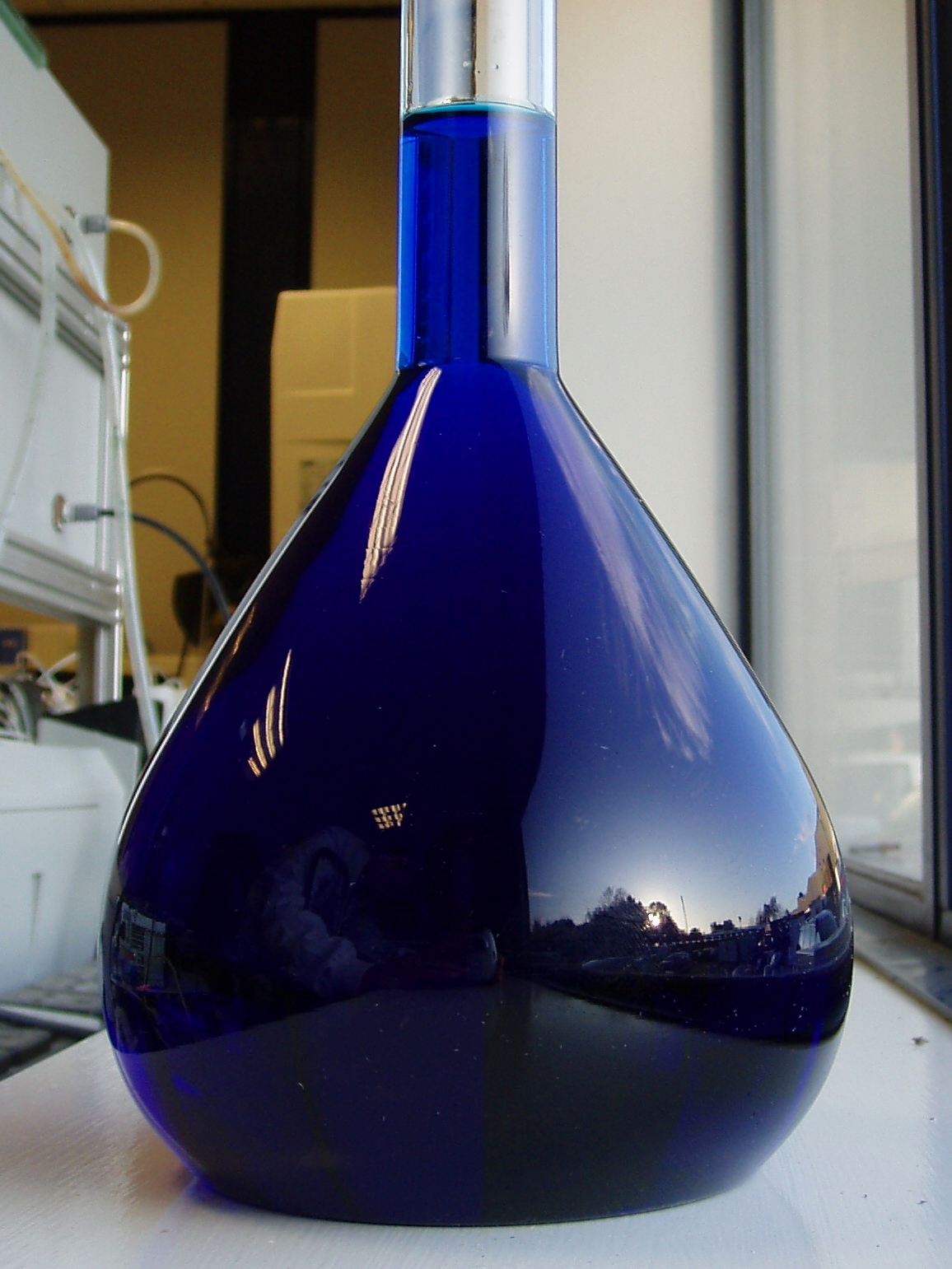
Methylene blue
A synthetic blue dye and medicine first made in 1876Dye
Blue
Indigo
A deep blue dye from plants, now mostly made synthetically and known for colouring denimDye · 🇮🇳 India +5
#120A8F
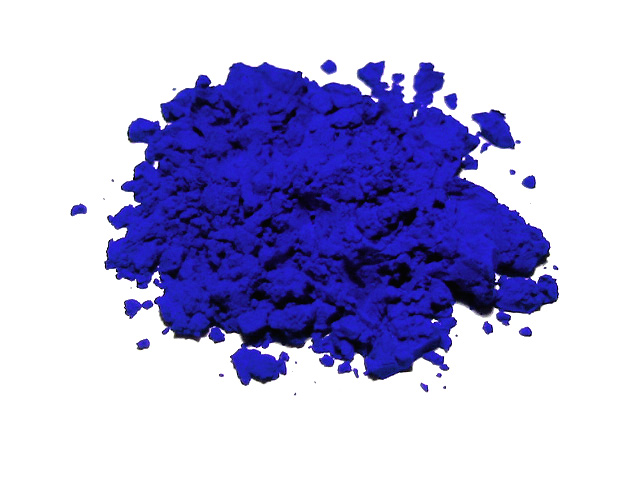
Ultramarine
A deep blue pigment once made from lapis lazuli, prized for centuries in artPigment · 🇦🇫 Afghanistan +2

#003153
Prussian blue
A deep blue pigment first made in Berlin in the early 1700sPigment · 🇯🇵 Japan
More colours tied to Mexico
The colours of Mexico
Green
Malachite
A banded green mineral and pigment once prized for art and decorationColour named from nature · 🇪🇬 Egypt +4

#40E0D0
Turquoise
A blue-green colour named after a prized mineral long used for gems and decorationNamed shade · 🇮🇷 Iran +5

#E25822
Scarlet
A bright red with a touch of orange, long tied to power, sacrifice and sinNamed shade · 🇹🇷 Turkey +4
Purple and violet
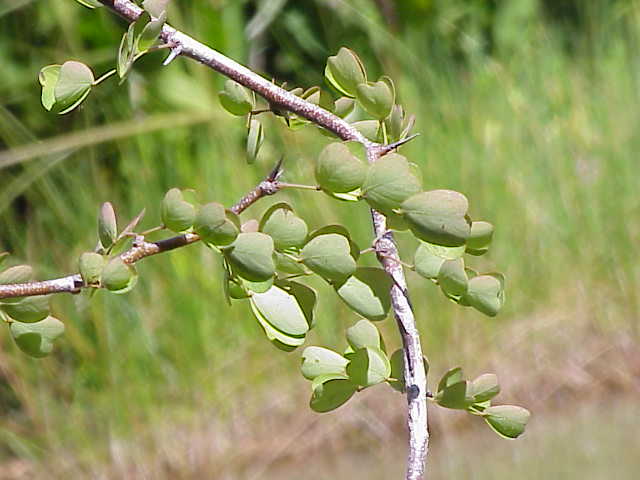
Logwood
A tree whose wood yields a dye once vital for textiles and scienceColour named from nature · 🇲🇽 Mexico +3