Indigo carmine
A water-soluble blue dye made from indigo, used in food, medicine and science
No single value: Indigo carmine is a material, and its colour varies. The background shows its family, blue.

Indigo carmine is a blue dye created by modifying indigo so it dissolves in water. It is found in foods, medicines, cosmetics, and is used in medical tests and scientific work. In the United States and European Union, it is approved as a food additive and is also called E132 or Blue No. 2.
- Turns blue in water and yellow at high pH
- Approved as E132 and Blue No. 2 in food
- Used to help doctors see tissues during surgery
- Acts as a pH and redox indicator in science
- Made by modifying indigo to dissolve in water
What colour is Indigo carmine?
Indigo carmine is a bright blue dye that stands out for its ability to dissolve in water, unlike natural indigo. Its colour is similar to that of indigo, but it is specially processed to be used in many products. This dye is valued for its clear blue shade and its usefulness in foods, medicines, and laboratory work.
Where does Indigo carmine come from?
The dye is made by taking indigo and adding sulfonic acid groups, a process called aromatic sulfonation. This change allows it to mix with water, making it more versatile than the original indigo. The name 'indigo carmine' reflects its roots in indigo, while 'carmine' is a traditional term for strong dyes.
How is Indigo carmine made?
Indigo carmine is produced from indigo through a chemical process that adds sulfonic acid groups, making it water-soluble. Its structure includes elements such as carbon, nitrogen, oxygen, sulfur, sodium, and hydrogen. This synthetic process allows for large-scale production for various uses.

Where Indigo carmine is used
This dye is added to foods, medicines, and cosmetics to give a blue colour. In medicine, it is used to help doctors see certain body tissues during surgery or tests. Scientists use it as a pH and redox indicator, and it can also show the presence of ozone or superoxide in experiments. It is also used to colour pharmaceutical capsules.
Blue around the world
What the blue family means from country to country.
The flag's colours have no official meaning. For the Great Seal of 1782, though, blue was said to stand for vigilance, perseverance and justice, white for purity and red for hardiness and valour.
Politics and protestTrustSource: Flag of the United StatesLapis lazuli has been mined in the mountains of Badakhshan for more than six thousand years. Ground to powder it gave ultramarine, the costliest blue in European painting.
Royalty and powerSacred and holyAweSource: Lapis lazuliThe chadari is a full-length covering for women with a mesh panel over the eyes. In Kabul and the north it is most often a light blue.
Protection and healingSource: BurqaThe blue band of the flag stands for the wish of the Armenian people to live under peaceful skies. The red above it is for the highlands and the struggle to survive.
Politics and protestHopeSource: Flag of ArmeniaThe flag is sky blue, white and sky blue, created by Manuel Belgrano in 1812. National teams are called the Albiceleste, the white and sky blue.
Politics and protestPrideSource: Flag of ArgentinaBoca Juniors play in blue and gold. The club's story is that in 1907 it took the colours of the flag of the next ship into port, which was Swedish.
Festival and celebrationPrideSource: Boca JuniorsShades and relatives of Indigo carmine
Indigo carmine is one of the few blue dyes approved for food use. Other blue colourants include anthocyanidins, variegatic acid, and popolohuanone, though these are less common. Indigo carmine may sometimes be confused with natural indigo, but it is chemically distinct and water-soluble.
Questions people ask about Indigo carmine
What colour is indigo carmine?
Indigo carmine is a clear blue dye, similar in shade to indigo, but made to dissolve in water.
Where does the name indigo carmine come from?
The name comes from its origin in indigo dye, with 'carmine' used for strong dyes. It is also called Blue No. 2 and E132.
What is indigo carmine made from?
It is made by chemically modifying indigo, using elements like carbon, nitrogen, oxygen, sulfur, sodium, and hydrogen.
Where is indigo carmine used?
It is used in foods, medicines, cosmetics, and scientific tests, especially where a blue colour is needed.
Is indigo carmine safe to eat?
It is approved for use in food in the United States and European Union, but high doses have shown some effects in animal studies.
Good reading and sources
- Indigo carmine on WikipediaEncyclopedia
- More pictures on Wikimedia CommonsPictures
- Wikidata recordOpen data
The facts on this page come from the Wikipedia article "Indigo carmine", written by its contributors and used under the CC BY-SA 4.0 licence, and from its Wikidata record (CC0). Rang rewrote the text in its own words, with AI assistance, and compares every page with the article to make sure no passage is copied. It may be reused under the same CC BY-SA 4.0 licence with a link back.
It may contain mistakes. The swatch is an approximation: named colours are not fixed standards, and every screen shows them a little differently. If something is wrong, tell us. Last refreshed 2026-10-03.
More of the blue family
All of blue
Blue
Lapis lazuli
A deep blue stone prized for jewellery and the source of ultramarine pigmentColour named from nature · 🇦🇫 Afghanistan +5

Blue
Azurite
A deep blue copper mineral once prized as a pigment and gemstonePigment · 🇫🇷 France +5

Blue
Woad
A blue dye once vital to Europe's textile trade, made from the leaves of a flowering plantDye · 🇫🇷 France +3
Blue
Indigo
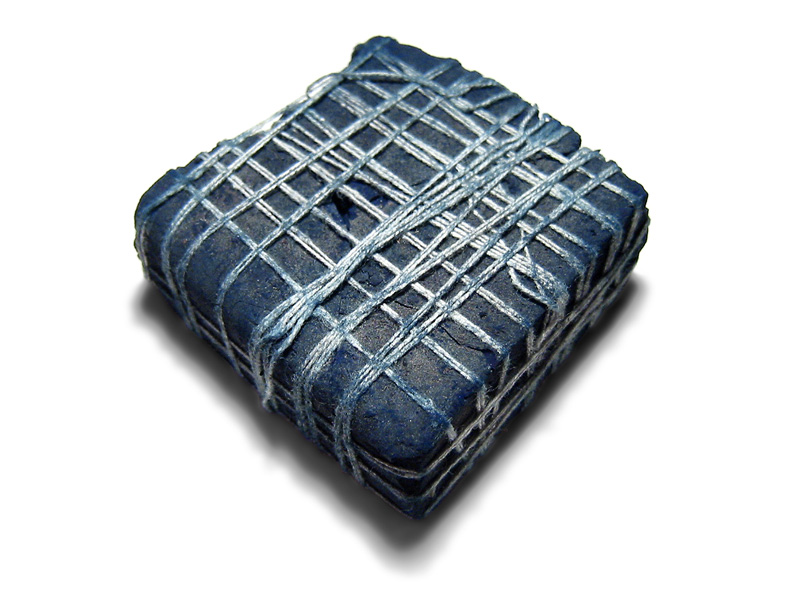
A deep blue dye from plants, now mostly made synthetically and known for colouring denimDye · 🇮🇳 India +5
Blue
Methylene blue
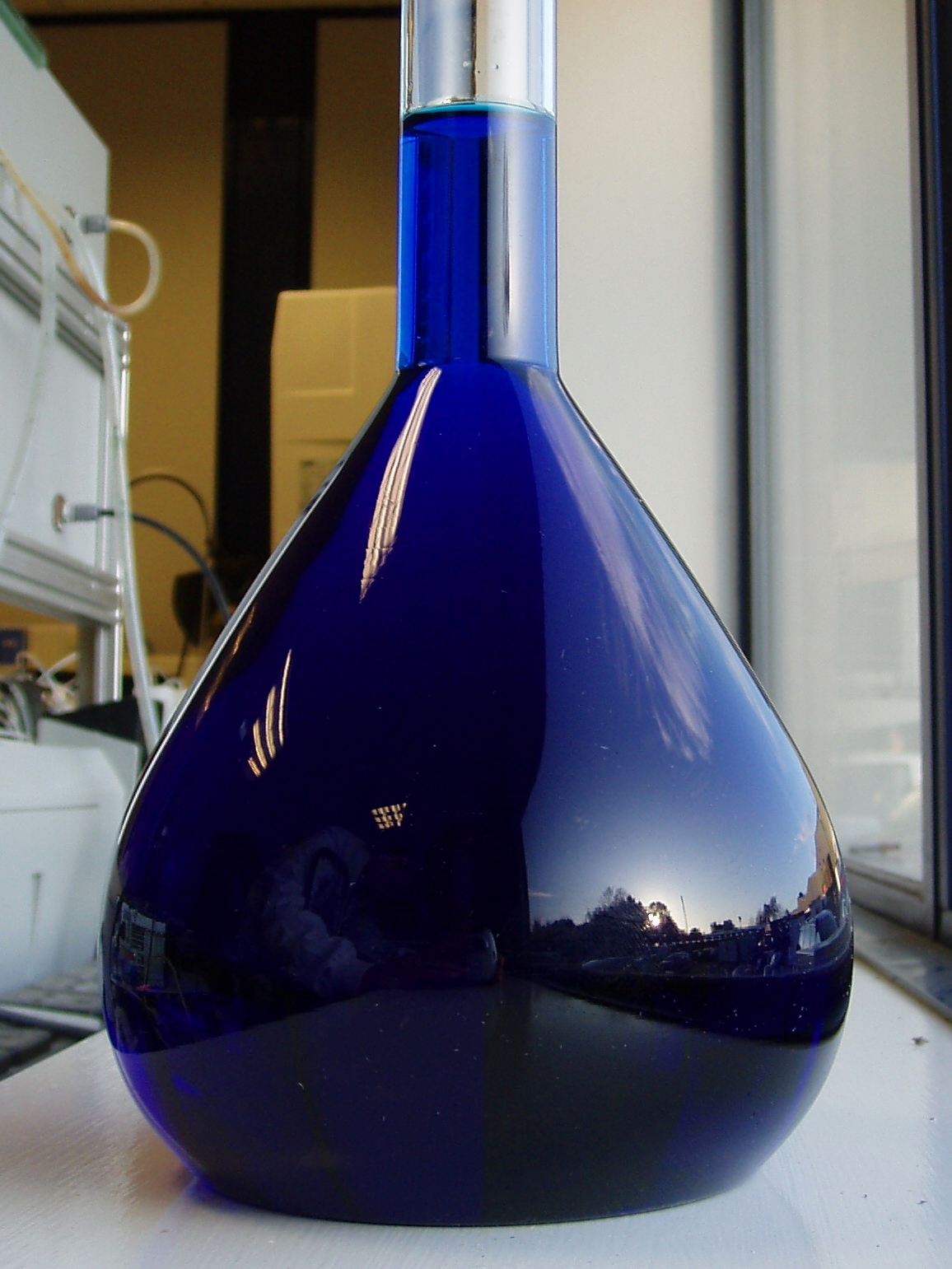
A synthetic blue dye and medicine first made in 1876Dye
#120A8F
Ultramarine
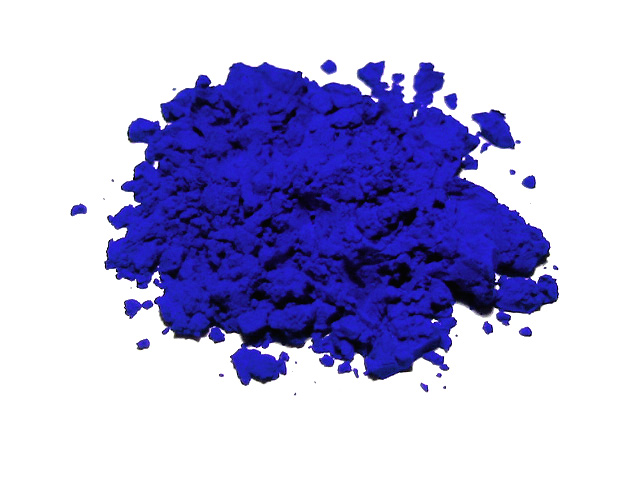
A deep blue pigment once made from lapis lazuli, prized for centuries in artPigment · 🇦🇫 Afghanistan +2

#003153
Prussian blue
A deep blue pigment first made in Berlin in the early 1700sPigment · 🇯🇵 Japan

Blue
Haematoxylin
A natural dye from logwood, best known for staining cell nuclei in histologyDye · 🇵🇭 Philippines
More colours tied to the United States
The colours of the United States
#FF0000
Red
A primary colour seen in light, pigment, and tradition worldwideBasic colour · 🇺🇸 United States +5

#FFFF00
Yellow
A primary colour between green and orange, seen in sunlight, leaves, and pigmentsBasic colour · 🇫🇷 France +5

#800080
Purple
A cool colour between red and blue, long linked with royalty and rarityBasic colour · 🇱🇧 Lebanon +5
#6A5DFF
Indigo
A deep blue named for the dye once exported from IndiaNamed shade · 🇮🇳 India +5