Phthalo blue
A strong, synthetic blue pigment made from copper phthalocyanine

Phthalo blue is a synthetic blue pigment, known for its intense colour, high tinting strength, and resistance to light and chemicals. First produced in the 1930s, it is widely used in paints, inks, plastics, and artists’ materials for its stability and brilliant blue shade.
Share on WhatsAppOpen in the lab
- First made in 1927 as a synthetic pigment
- Known for high lightfastness and tinting strength
- Used in artists’ paints, inks, plastics, and cosmetics
- Non-toxic and resistant to acids and alkalis
- Standard blue for printing and packaging industries
What colour is Phthalo blue?
Phthalo blue is a bright, crystalline blue pigment made in laboratories, not found in nature. Its colour is a strong, vivid blue with a slight greenish bias, and it appears as a fine blue powder. The pigment is valued for its high tinting strength, meaning a small amount can colour a large quantity of material. It is transparent and stains easily, making it popular for glazing techniques in painting. Phthalo blue stands out from other blues for its intensity, stability, and resistance to fading or chemical change.
Where does Phthalo blue come from?
The pigment was first discovered in 1927 as a by-product during chemical reactions involving copper and organic compounds. Its commercial production began in the 1930s in Great Britain, Germany, and later the United States, under names like Monastral Blue. The name 'phthalo blue' comes from its chemical group, phthalocyanines, which are synthetic dyes. The pigment quickly became popular for its brilliant colour and durability, replacing older blue pigments in many uses.
How is Phthalo blue made?
Phthalo blue is produced by heating phthalonitrile or a mix of phthalic anhydride and urea with a copper salt at high temperatures. The process can use solvents or be solvent-free, with the latter now preferred for environmental reasons. The resulting copper phthalocyanine forms a stable, crystalline powder that is insoluble in water and most solvents. The pigment can be further modified to create dyes for textiles and other uses.
Where Phthalo blue is used
This pigment is widely used in artists’ paints, printing inks, plastics, and coatings. Its stability and strength make it a standard blue in the packaging industry and a staple on artists’ palettes. Phthalo blue is also found in everyday products like hair conditioners, soaps, sunscreens, and tattoo inks. In art, it is known for its transparency and ability to create bright, clean mixes. It is also used in research for electronics and solar cells due to its chemical properties.
Blue around the world
What the blue family means from country to country.
The blue flower, die blaue Blume, comes from a novel by Novalis. It became the emblem of German Romanticism and stands for longing for what cannot be reached.
Love and desireNostalgiaSource: Blue flowerPrussian blue, one of the first modern synthetic pigments, was made by accident in Berlin in the early 1700s. It later coloured the coats of the Prussian army.
Nature and renewalSource: Prussian blueIndigo dyeing, called aizome, clothed ordinary people in deep blue through the Edo period. The men's national football team plays in blue and is nicknamed Samurai Blue.
Festival and celebrationPrideSource: Japan national football teamLapis lazuli has been mined in the mountains of Badakhshan for more than six thousand years. Ground to powder it gave ultramarine, the costliest blue in European painting.
Royalty and powerSacred and holyAweSource: Lapis lazuliThe chadari is a full-length covering for women with a mesh panel over the eyes. In Kabul and the north it is most often a light blue.
Protection and healingSource: BurqaThe blue band of the flag stands for the wish of the Armenian people to live under peaceful skies. The red above it is for the highlands and the struggle to survive.
Politics and protestHopeSource: Flag of ArmeniaShades and relatives of Phthalo blue
Phthalo blue comes in several forms, mainly the alpha and beta crystalline phases, which differ in stability and how the pigment disperses. There are also related pigments, such as phthalocyanine green (made by treating phthalo blue with chlorine) and other metal phthalocyanines like cobalt or aluminium versions. The pigment is sometimes confused with other synthetic blues but is distinct for its strong tinting power and greenish undertone.
Colours that go with Phthalo blue
Harmonies are worked out from the value #000F89. Contrast ratios follow the WCAG 2 formula.
Questions people ask about Phthalo blue
What colour is phthalo blue?
Phthalo blue is a vivid, strong blue with a slight greenish tint. It is known for its brightness and intensity, making it a popular choice for artists and industry.
Where does the name phthalo blue come from?
The name comes from its chemical group, phthalocyanines, which are synthetic dyes. The pigment contains copper at its core.
How is phthalo blue made?
It is made by heating phthalonitrile or a mix of phthalic anhydride and urea with a copper salt at high temperatures, resulting in a stable blue powder.
What is phthalo blue used for?
It is widely used in artists’ paints, printing inks, plastics, coatings, and even cosmetics and hair products due to its stability and strong colour.
Is phthalo blue safe to use?
Phthalo blue is considered non-toxic and is not known to cause harm to humans, fish, or plants. It is stable and does not break down easily.
Good reading and sources
- Copper phthalocyanine on WikipediaEncyclopedia
- More pictures on Wikimedia CommonsPictures
- Wikidata recordOpen data
The facts on this page come from the Wikipedia article "Copper phthalocyanine", written by its contributors and used under the CC BY-SA 4.0 licence, and from its Wikidata record (CC0). Rang rewrote the text in its own words, with AI assistance, and compares every page with the article to make sure no passage is copied. It may be reused under the same CC BY-SA 4.0 licence with a link back.
It may contain mistakes. The swatch is an approximation: named colours are not fixed standards, and every screen shows them a little differently. If something is wrong, tell us. Last refreshed 2026-10-03.
More of the blue family
All of blue
#0000FF
Blue
A primary colour seen in the sky and sea, used since ancient times in art and dyeBasic colour

Blue
Lapis lazuli
A deep blue stone prized for jewellery and the source of ultramarine pigmentColour named from nature · 🇦🇫 Afghanistan +5

Blue
Azurite
A deep blue copper mineral once prized as a pigment and gemstonePigment · 🇫🇷 France +5
Blue
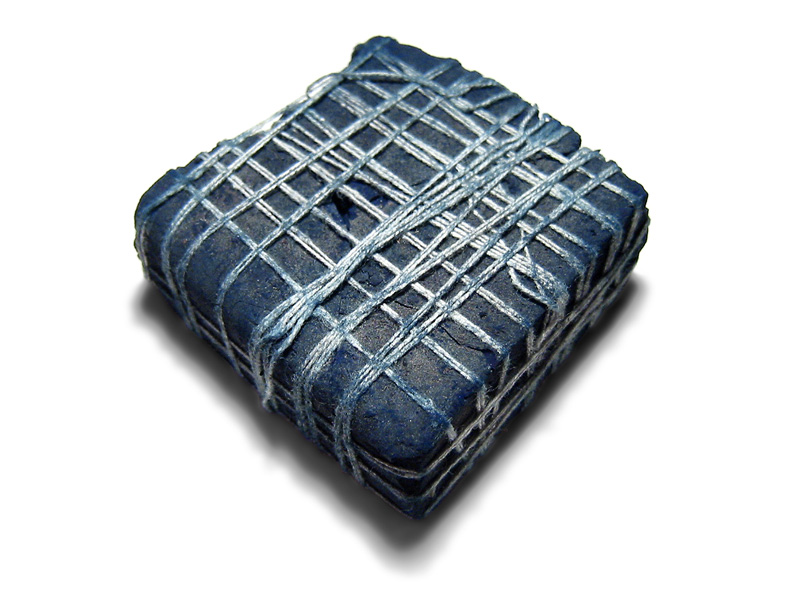
Indigo
A deep blue dye from plants, now mostly made synthetically and known for colouring denimDye · 🇮🇳 India +5
Blue
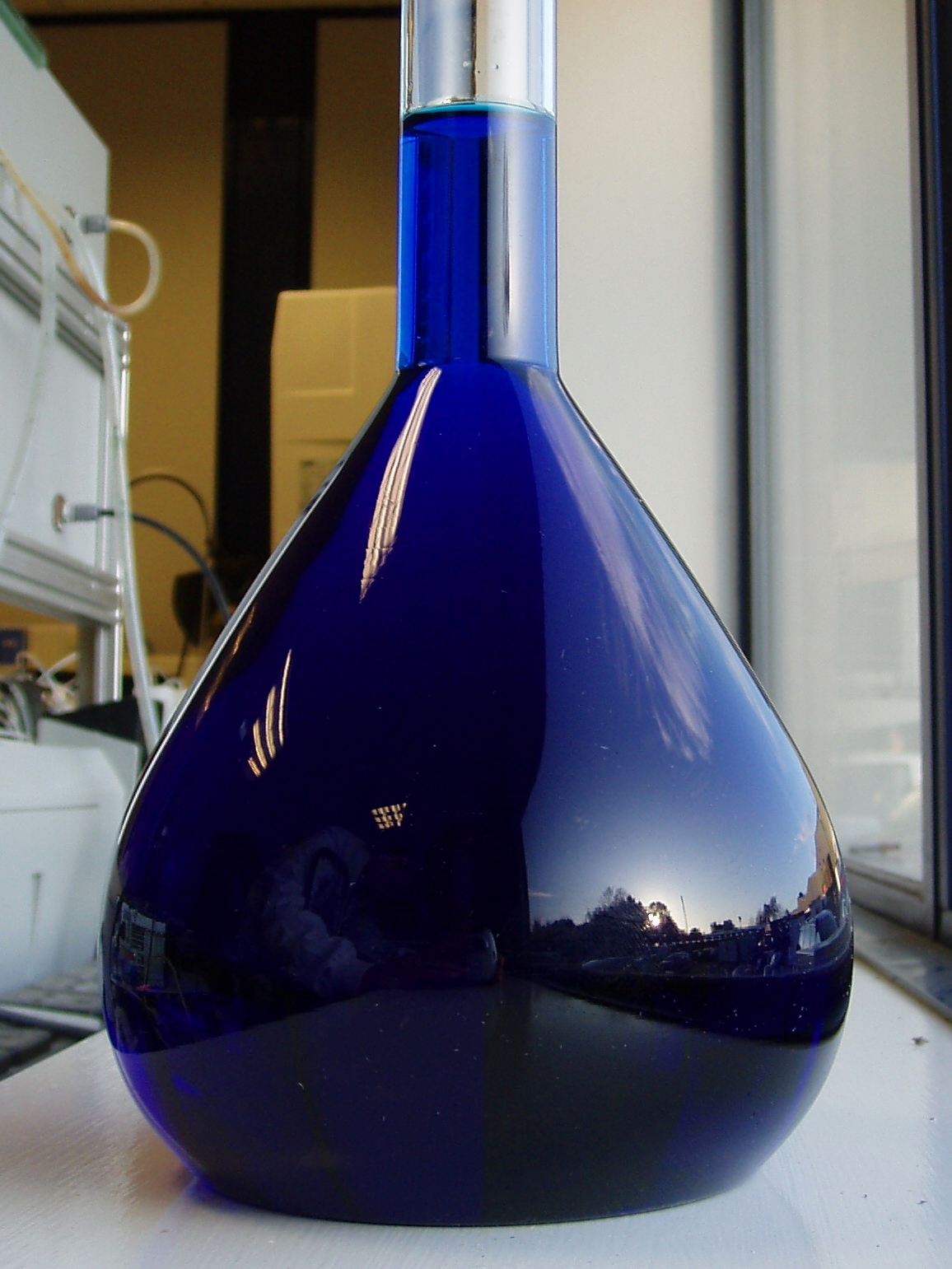
Methylene blue
A synthetic blue dye and medicine first made in 1876Dye

#003153
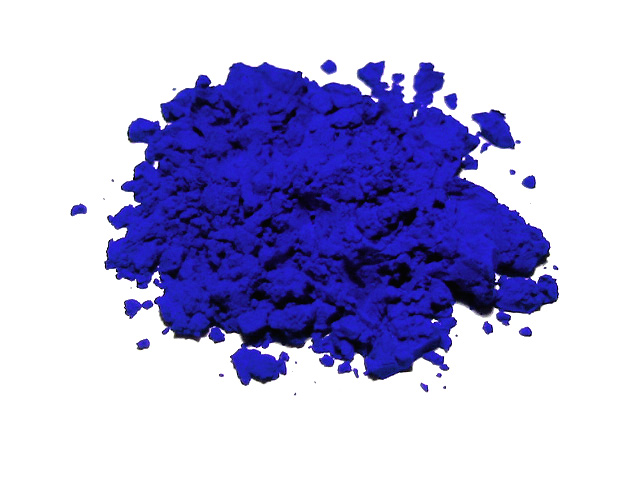
Prussian blue
A deep blue pigment first made in Berlin in the early 1700sPigment · 🇯🇵 Japan
#120A8F
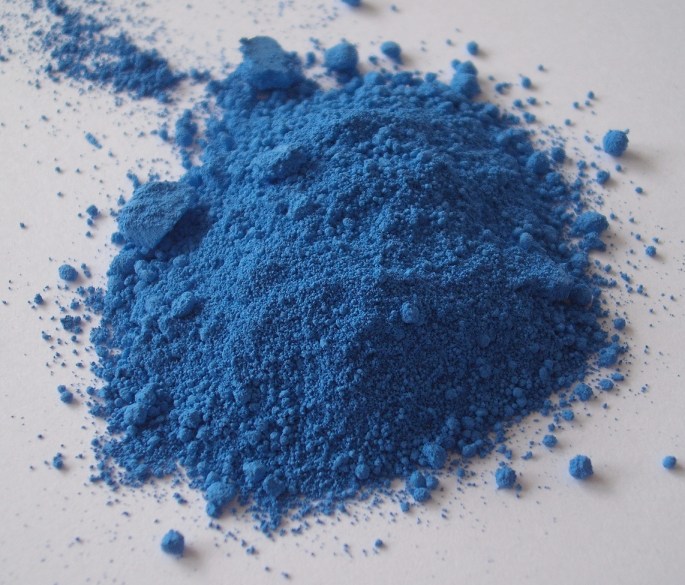
Ultramarine
A deep blue pigment once made from lapis lazuli, prized for centuries in artPigment · 🇦🇫 Afghanistan +2
#0047AB
Cobalt blue
A strong, stable blue pigment made from cobalt and alumina since the early 1800sPigment · 🇫🇷 France +3
More colours tied to Germany
The colours of Germany
#FF00FF
Magenta
A purplish-pink colour named after a battle and key to modern printingNamed shade · 🇫🇷 France +4

Brown
Aniline
A colourless oil that darkens with air and launched the first synthetic dyesPigment · 🇩🇪 Germany

Blue
Woad
A blue dye once vital to Europe's textile trade, made from the leaves of a flowering plantDye · 🇫🇷 France +3

#F5F5DC
Beige
A pale, warm colour named after natural, undyed woolNamed shade · 🇫🇷 France +2