Lycopene
The deep red pigment found in tomatoes and many red fruits
No single value: Lycopene is a material, and its colour varies. The background shows its family, red.

Lycopene is a bright red carotenoid pigment found mainly in tomatoes and other red fruits such as watermelon and pink grapefruit. Its colour comes from a long chain of double bonds in its structure, and it is widely used as a food colouring (E160d), especially in processed tomato products.
- Lycopene gives tomatoes their deep red colour.
- It is widely used as a food colouring (E160d).
- Cooking tomatoes increases lycopene absorption.
- Lycopene is fat-soluble and found in many red fruits.
- It was first isolated in 1910.
What colour is Lycopene?
Lycopene is a natural pigment that gives tomatoes and several other fruits their strong red colour. It belongs to the carotenoid family, a group of compounds responsible for many yellow, orange, and red colours in plants. Lycopene is a hydrocarbon, meaning it is made only of carbon and hydrogen. Its deep red hue stands out among other carotenoids, which can be more orange or yellow.
Where does Lycopene come from?
The name lycopene comes from the former botanical name for tomato, Lycopersicon. Lycopene was first isolated in 1910, and its chemical structure was worked out by 1931. It is found in many red fruits and vegetables, but tomatoes are the main source in most diets. The pigment is produced naturally by plants and some photosynthetic bacteria.
How is Lycopene made?
Lycopene is made by plants through a process that starts with mevalonic acid and builds up to a 40-carbon molecule through several steps. In food production, lycopene is usually extracted from tomatoes. It is fat-soluble, so it is often found in oil-based supplements or processed foods. Cooking and crushing tomatoes increases the amount of lycopene that can be absorbed by the body.
Where Lycopene is used
Lycopene is mainly used as a food colouring, registered as E160d in Europe and 160d in Australia and New Zealand. It is added to processed foods like ketchup, sauces, and soups to give a rich red colour. Most people get lycopene from tomato-based products, but it is also present in fruits like watermelon, pink grapefruit, and papaya.
Red around the world
What the red family means from country to country.
Red ochre is used in Aboriginal rock art and ceremony, and is traded over long distances. In the Aboriginal flag the red half stands for the earth and for that ochre.
Sacred and holyNature and renewalAweSource: Australian Aboriginal flagKokowai, red ochre mixed with oil, was painted on Maori carvings, canoes and meeting houses. Red is a colour of tapu, the sacred, and of chiefly rank.
Sacred and holyAweSource: Māori cultureThe pohutukawa tree covers itself in crimson flowers in December, and is known as the New Zealand Christmas tree.
Festival and celebrationNature and renewalJoySource: PōhutukawaSince the television maps of the 2000 election, red has meant the Republican Party and blue the Democrats, giving the phrases red state and blue state. Before then the networks had no fixed scheme.
Politics and protestSource: Red states and blue statesThe flag uses the four Pan-Arab colours: a red bar at the hoist with green, white and black bands. It was designed by a young Emirati, Abdullah Al Maainah, in 1971.
Politics and protestPrideSource: Flag of the United Arab EmiratesThe flag is a black double-headed eagle on red, the banner of the fifteenth-century hero Skanderbeg. Fans chant Kuq e Zi, red and black.
Politics and protestPrideSource: Flag of AlbaniaShades and relatives of Lycopene
Lycopene is one of many carotenoids, which include beta-carotene and xanthophylls. While lycopene is red, beta-carotene is more orange. Lycopene can exist in different forms (isomers), with the all-trans form being most common in plants. Cooking can change its structure, making it more easily absorbed.
Questions people ask about Lycopene
What colour is lycopene?
Lycopene is a deep red pigment found in tomatoes and many other red fruits and vegetables.
Where does the name lycopene come from?
The name comes from Lycopersicon, the former genus name for tomato, where lycopene is most commonly found.
What foods are high in lycopene?
Tomatoes and tomato products are the main sources, but lycopene is also found in watermelon, pink grapefruit, papaya, gac, and some other red fruits.
How is lycopene used?
It is used mainly as a food colouring (E160d), especially in processed tomato products like ketchup and sauces.
Is lycopene safe?
Lycopene is non-toxic and commonly eaten in foods, though very high intake can cause orange skin discolouration that fades when intake is reduced.
Good reading and sources
The facts on this page come from the Wikipedia article "Lycopene", written by its contributors and used under the CC BY-SA 4.0 licence, and from its Wikidata record (CC0). Rang rewrote the text in its own words, with AI assistance, and compares every page with the article to make sure no passage is copied. It may be reused under the same CC BY-SA 4.0 licence with a link back.
It may contain mistakes. The swatch is an approximation: named colours are not fixed standards, and every screen shows them a little differently. If something is wrong, tell us. Last refreshed 2026-10-03.
More of the red family
All of red
Red
Cinnabar
A scarlet to brick-red mineral and the main source of mercury and vermilion pigmentColour named from nature · 🇪🇸 Spain +5

Red
Realgar
An orange-red arsenic sulfide mineral once used as a pigment and poisonPigment · 🇨🇳 China +5
Red
Carmine
A deep red pigment made from cochineal insects, once prized across continentsPigment · 🇫🇷 France +2

#E25822
Scarlet
A bright red with a touch of orange, long tied to power, sacrifice and sinNamed shade · 🇹🇷 Turkey +4

#E34234
Vermilion
A brilliant orange-red pigment, once made from toxic mercury orePigment · 🇹🇷 Turkey +5

Red
Rubia
A group of plants whose roots once dyed cloth and paint a lasting redColour named from nature · 🇪🇬 Egypt +5

#E32636
Alizarin
A deep red dye first made from madder roots, later produced from coal tarDye · 🇹🇷 Turkey +1

#801818
Falu redfalu rödfärg
A deep red paint pigment from the Falun copper mine, used on wooden houses in SwedenPigment · 🇸🇪 Sweden +2
More colours tied to the United States
The colours of the United States
#FF0000
Red
A primary colour seen in light, pigment, and tradition worldwideBasic colour · 🇺🇸 United States +5

#FFFF00
Yellow
A primary colour between green and orange, seen in sunlight, leaves, and pigmentsBasic colour · 🇫🇷 France +5

#800080
Purple
A cool colour between red and blue, long linked with royalty and rarityBasic colour · 🇱🇧 Lebanon +5
#6A5DFF
Indigo
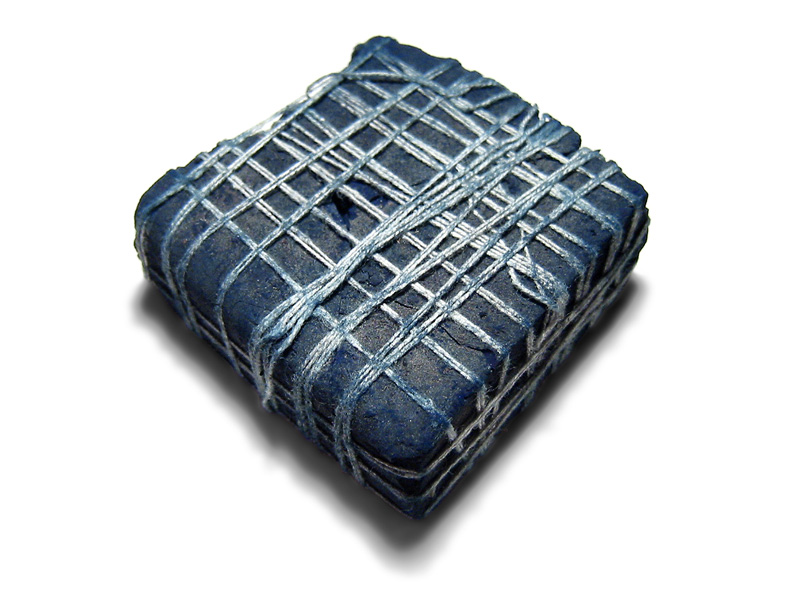
A deep blue named for the dye once exported from IndiaNamed shade · 🇮🇳 India +5