Green S
A synthetic green dye used in food and eye tests
No single value: Green S is a material, and its colour varies. The background shows its family, green.

Green S is a coal tar-based synthetic dye that gives a green colour. It is used as a food colouring in some countries and as a stain for living cells in medical tests. Its use in food is allowed in the EU, Australia, and New Zealand, but banned in Canada, the US, Japan, and Norway.
- Green S is a synthetic green dye from coal tar
- It is used as food colouring E142 in some countries
- Banned as a food additive in Canada, US, Japan, and Norway
- Used by eye doctors to stain living cells
What colour is Green S?
Green S is a bright green synthetic dye made from coal tar chemicals. It is mainly used to colour foods and to stain living cells for medical testing. The colour is a strong, clear green that stands out in foods like mint sauce and tinned peas. It is also used by eye doctors to help spot problems on the surface of the eye.
Where does Green S come from?
The name Green S comes from its colour and its place in a group of synthetic dyes. It is a triarylmethane dye, meaning it is built from three benzene rings joined together. The dye was made by chemists working with coal tar, a byproduct of coal processing. Its use as a food dye is marked by the code E142 in Europe.
How is Green S made?
Green S is made in a laboratory from coal tar, which is a thick black liquid left over from making coke and coal gas. Chemists turn coal tar into a range of dyes, including Green S, by joining together carbon-based molecules. The dye’s chemical formula is C27H25N2O7S2Na.
Where Green S is used
In food, Green S is used to give a green colour to sauces, desserts, sweets, ice creams, and tinned peas. It is approved for use in the European Union, Australia, and New Zealand, but banned in Canada, the United States, Japan, and Norway. In medicine, it is used as a vital dye to stain living cells, especially in eye tests to diagnose surface disorders.
Green around the world
What the green family means from country to country.
Green and gold have been the official national colours since 1984 and are worn by national sports teams. They echo the leaves and flowers of the golden wattle.
Festival and celebrationPrideSource: National colours of AustraliaA Test cricketer is given a dark green cap, the baggy green, on first playing for Australia. Many players wear the same faded cap for a whole career.
Festival and celebrationPrideSource: Baggy greenPounamu, greenstone, is found only in the South Island. Maori carve it into pendants such as the hei-tiki, which are treasures handed down through families and are usually given, not bought for oneself.
Protection and healingSacred and holyAweSource: PounamuPaper money is nicknamed the greenback, after the green ink on the backs of notes first issued during the Civil War. Green has stood for money ever since.
Luck and prosperitySource: Greenback (1860s money)On Saint Patrick's Day, Chicago dyes its river bright green, a custom begun in 1962, and people who wear no green risk a playful pinch.
Festival and celebrationJoySource: Saint Patrick's Day in the United StatesA green kerchief is the sign of the campaign for legal abortion. Huge crowds wore it in 2018, and the movement was called the green wave.
Politics and protestHopeSource: Green scarfShades and relatives of Green S
Green S is one of several synthetic green dyes. It is used alongside other dyes like fluorescein and rose bengal in medical testing. The sources do not mention other names or close variants.
Questions people ask about Green S
What colour is Green S?
Green S is a strong, clear green dye that stands out in foods and is easy to see in medical tests.
Where does the name Green S come from?
The name Green S refers to its green colour and its place among synthetic dyes. It is also known by the food code E142.
What is Green S used for?
Green S is used to colour foods like mint sauce and tinned peas in some countries, and to stain living cells in medical eye tests.
Is Green S allowed in all countries?
No, Green S is approved for food use in the EU, Australia, and New Zealand, but is banned in Canada, the United States, Japan, and Norway.
Good reading and sources
The facts on this page come from the Wikipedia article "Green S", written by its contributors and used under the CC BY-SA 4.0 licence, and from its Wikidata record (CC0). Rang rewrote the text in its own words, with AI assistance, and compares every page with the article to make sure no passage is copied. It may be reused under the same CC BY-SA 4.0 licence with a link back.
It may contain mistakes. The swatch is an approximation: named colours are not fixed standards, and every screen shows them a little differently. If something is wrong, tell us. Last refreshed 2026-10-03.
More of the green family
All of greenGreen
Malachite green
A synthetic green dye once common for silk, now controversial in aquacultureDye · 🇨🇳 China +3
Green
CBQCA reagent
A dye for detecting proteins by turning fluorescent green when boundDye

#00FF00
Green
The colour between cyan and yellow, seen widely in plants and natureBasic colour · 🇮🇪 Ireland +1

Green
Malachite
A banded green mineral and pigment once prized for art and decorationColour named from nature · 🇪🇬 Egypt +4

#808000
Olive
A dark yellowish green, like the colour of unripe olivesNamed shade
#50C878
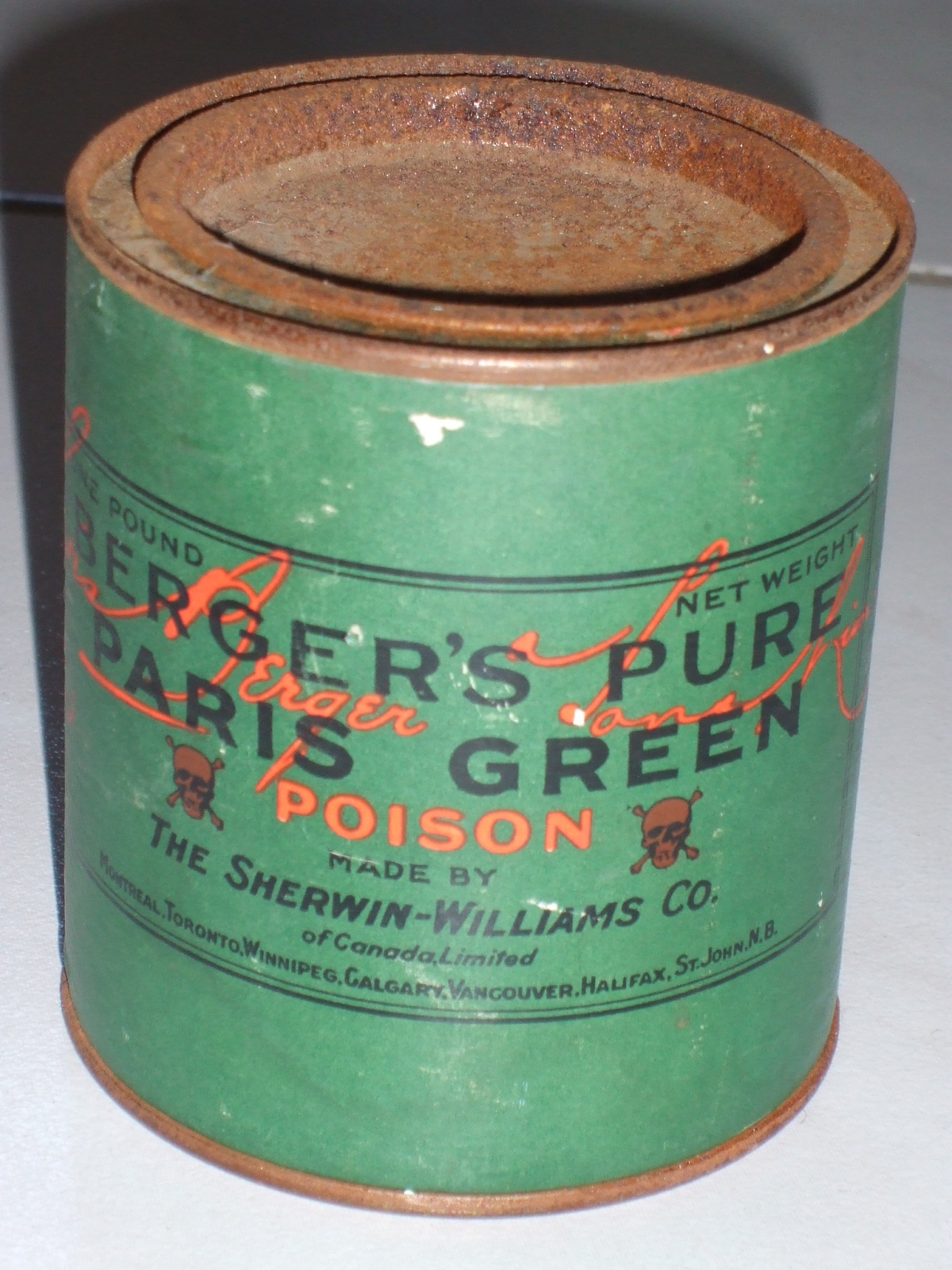
Paris Green
A toxic emerald-green pigment once prized in art and used as an early insecticidePigment · 🇩🇪 Germany +4

#BFFF00
Lime
A sharp yellow-green named for the skin of the lime fruitNamed shade

#80FF00
Chartreuse
A bright yellow-green named after a French liqueurNamed shade
More colours tied to Australia
The colours of Australia
#CC7722
Ochre
A natural earth pigment ranging from yellow to deep orange or brownPigment · 🇦🇺 Australia +5

#87CEEB
Sky blue
A light blue named for the colour of a clear daytime skyNamed shade · 🇦🇷 Argentina +5

#800000
Maroon
A deep brownish red named for the French word for chestnutNamed shade · 🇦🇺 Australia +4

#000080
Navy blue
A deep blue shade named for the uniforms of the Royal NavyNamed shade · 🇺🇸 United States +2