CBQCA reagent
A dye for detecting proteins by turning fluorescent green when bound
No single value: CBQCA reagent is a material, and its colour varies. The background shows its family, green.
CBQCA reagent is a chemical dye used to label proteins and peptides for measurement. It does not glow on its own, but when it attaches to certain chemical groups in proteins, it emits green light under blue light. This reaction helps scientists detect and measure proteins in samples.
- CBQCA is not fluorescent until it reacts with proteins
- Used to measure proteins and peptides in labs
- First described in scientific literature in 1991
- Glows green when exposed to blue light after binding
What colour is CBQCA reagent?
CBQCA reagent is a laboratory dye that helps make proteins and peptides visible by causing them to glow green when exposed to blue light. On its own, the dye does not give off any light. It only becomes fluorescent after it attaches to certain parts of proteins, making it useful for scientific tests that need to measure or detect these molecules.
Where does CBQCA reagent come from?
The name CBQCA comes from its chemical structure, which includes quinoline and carboxybenzoyl groups. Scientists first described this dye in 1991. It was developed to help researchers find and measure proteins and peptides by making them fluorescent in laboratory settings.
How is CBQCA reagent made?
CBQCA is made in the lab from chemical building blocks. It is not found in nature. The dye reacts with primary amines, which are chemical groups found in proteins, but needs another substance such as cyanide to help the reaction. If thiols are present, they can interfere and stop the dye from working as intended.
Where CBQCA reagent is used
This dye is mainly used in scientific research, especially for measuring proteins or peptides. When CBQCA binds to a protein, it can be detected by shining blue light on the sample and measuring the green light that comes out. This makes it useful in experiments where knowing the amount of protein is important.
Green around the world
What the green family means from country to country.
A green kerchief is the sign of the campaign for legal abortion. Huge crowds wore it in 2018, and the movement was called the green wave.
Politics and protestHopeSource: Green scarfGreen and gold have been the official national colours since 1984 and are worn by national sports teams. They echo the leaves and flowers of the golden wattle.
Festival and celebrationPrideSource: National colours of AustraliaA Test cricketer is given a dark green cap, the baggy green, on first playing for Australia. Many players wear the same faded cap for a whole career.
Festival and celebrationPrideSource: Baggy greenThe green field of the flag stands for the land and its rice fields. Many people also read it as the youth and vigour of the country.
Nature and renewalPolitics and protestHopeSource: Flag of BangladeshThe flag is white, green and red. The green band, which took the place of the blue in the Russian flag, is read as the country's forests and farmland.
Politics and protestNature and renewalSource: Flag of BulgariaThe green field of the flag is commonly said to stand for the forests. It was first the colour of the House of Braganza, the family of the first emperor.
Politics and protestNature and renewalPrideSource: Flag of BrazilShades and relatives of CBQCA reagent
A related dye, FQ (3-(2-Furoyl)quinoline-2-carboxaldehyde), is also used for similar purposes. Both dyes are used in protein analysis, but may differ in their chemical details or how they react with proteins.
Questions people ask about CBQCA reagent
What colour does CBQCA produce when used?
When CBQCA binds to proteins and is exposed to blue light, it emits green fluorescence, making the proteins visible for measurement.
Where does the name CBQCA come from?
CBQCA stands for 3-(4-Carboxybenzoyl)quinoline-2-carboxaldehyde, which describes its chemical structure.
What is CBQCA used for?
It is used in laboratories to detect and measure proteins and peptides by making them fluorescent.
Is CBQCA naturally occurring?
No, CBQCA is a synthetic dye created in laboratories for scientific use.
Good reading and sources
The facts on this page come from the Wikipedia article "3-(4-Carboxybenzoyl)quinoline-2-carboxaldehyde", written by its contributors and used under the CC BY-SA 4.0 licence, and from its Wikidata record (CC0). Rang rewrote the text in its own words, with AI assistance, and compares every page with the article to make sure no passage is copied. It may be reused under the same CC BY-SA 4.0 licence with a link back.
It may contain mistakes. The swatch is an approximation: named colours are not fixed standards, and every screen shows them a little differently. If something is wrong, tell us. Last refreshed 2026-10-03.
More of the green family
All of greenGreen
Malachite green
A synthetic green dye once common for silk, now controversial in aquacultureDye · 🇨🇳 China +3

Green
Green S
A synthetic green dye used in food and eye testsDye · 🇦🇺 Australia +4

#00FF00
Green
The colour between cyan and yellow, seen widely in plants and natureBasic colour · 🇮🇪 Ireland +1

Green
Malachite
A banded green mineral and pigment once prized for art and decorationColour named from nature · 🇪🇬 Egypt +4

#808000
Olive
A dark yellowish green, like the colour of unripe olivesNamed shade
#50C878
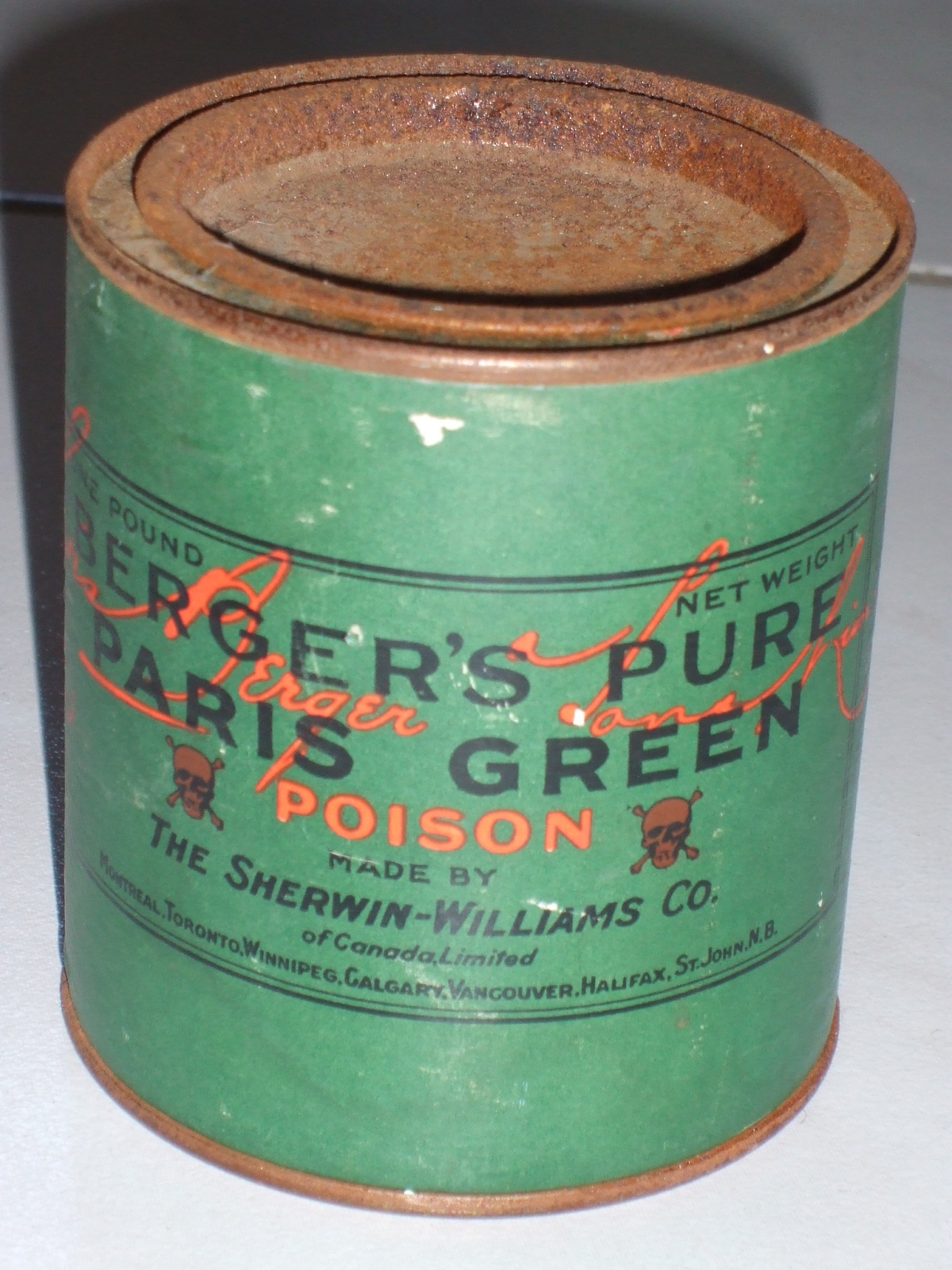
Paris Green
A toxic emerald-green pigment once prized in art and used as an early insecticidePigment · 🇩🇪 Germany +4

#BFFF00
Lime
A sharp yellow-green named for the skin of the lime fruitNamed shade

#80FF00
Chartreuse
A bright yellow-green named after a French liqueurNamed shade