Bluing
A blue dye added to laundry to make white fabrics look brighter
No single value: Bluing is a material, and its colour varies. The background shows its family, blue.

Bluing is a household product used in laundering to make white fabrics appear whiter by adding a trace of blue dye. Traditionally made from Prussian blue or synthetic ultramarine, it was widely used in the UK and US and remains common in India and Pakistan.
- Bluing adds a faint blue tint to make white laundry look brighter
- Traditionally made from Prussian blue or ultramarine pigments
- Still widely used in India and Pakistan
- Earlier forms used indigo and starch, known as stone blue
- Also used in blue rinses for white hair
What colour is Bluing?
Bluing is a blue dye or pigment added to laundry water to counteract yellow or grey tints in white fabrics. By adding a faint blue cast, it makes whites look brighter and cleaner to the eye. It is usually a liquid or sometimes a solid, and is not a permanent treatment, rinsing out over time.
Where does Bluing come from?
The practice of adding blue to laundry dates back centuries, first using powder blue or smalt, and later indigo mixed with starch, called stone blue. With the invention of synthetic ultramarine and Prussian blue, bluing became a manufactured product, with well-known brands in the UK and US. Its use has declined in some places, replaced by bleach or optical brighteners, but it remains popular in India and Pakistan.
How is Bluing made?
Bluing is typically made by suspending a blue pigment such as Prussian blue (ferric ferrocyanide) or synthetic ultramarine in water. Earlier forms used smalt (a ground blue glass) or lumps of indigo and starch. The product is sold as a liquid or a solid, depending on the brand and region.

Where Bluing is used
Bluing is mainly used in laundering to restore the whiteness of fabrics that have become yellowed or grey. It is also used in blue rinses for white hair, in crystal-growing experiments, and to enhance the look of swimming pool water. In Australia, it was once used as a folk remedy for insect bites. In some folk practices, solid bluing is used for its colour in ritual objects.
Blue around the world
What the blue family means from country to country.
To be true blue is to be honestly and loyally Australian. The phrase is older than the country, but Australians have made it their own.
Politics and protestTrustSource: True Blue (John Williamson song)The Torres Strait Islander flag has a blue band for the sea between green bands for the land. A white dhari, a dancer's headdress, sits at the centre.
Politics and protestNature and renewalSource: Torres Strait Islander flagBlue was the colour of the French kings, whose arms were gold lilies on blue. It is the first band of the tricolour, and national sports teams are called Les Bleus.
Politics and protestRoyalty and powerPrideSource: Bleu de France (colour)At Oxford and Cambridge a blue is the award given to those who represent the university in sport. Oxford's is dark blue and Cambridge's light blue, as worn in the Boat Race.
Festival and celebrationPrideSource: Blue (university sport)Krishna, Rama and Vishnu are painted with blue skin, the colour of the sky and the deep sea. The wheel at the centre of the national flag, the Ashoka Chakra, is navy blue.
Sacred and holyAweSource: KrishnaBlue is the colour of Dalit politics. Followers of B. R. Ambedkar carry blue flags, and the Bahujan Samaj Party campaigns under a blue flag with an elephant.
Politics and protestPrideSource: Bahujan Samaj PartyShades and relatives of Bluing
Bluing has appeared under different names and forms, such as dolly blue, Reckitt's blue, and Mrs. Stewart's Bluing. Earlier versions used natural indigo or smalt, while modern products often use synthetic pigments. It should not be confused with optical brighteners, which work differently.
Questions people ask about Bluing
What colour is bluing?
Bluing is a blue dye or pigment, usually a deep blue, added in small amounts to laundry water to make white fabrics appear brighter.
Where does the name 'bluing' come from?
The name comes from the blue colour of the dye or pigment used in the product, which is added to laundry to improve the appearance of whites.
What is bluing made from?
Modern bluing is usually made from Prussian blue or synthetic ultramarine pigments suspended in water. Earlier forms used indigo or smalt.
Is bluing still used today?
Bluing is still widely used in countries like India and Pakistan, though in some places it has been replaced by bleach or optical brighteners.
How does bluing work?
A trace of blue dye is added to yellowed or greyish white fabrics. The blue counteracts the yellow tint, making the fabric appear whiter.
Good reading and sources
- Bluing (fabric) on WikipediaEncyclopedia
- More pictures on Wikimedia CommonsPictures
- Wikidata recordOpen data
The facts on this page come from the Wikipedia article "Bluing (fabric)", written by its contributors and used under the CC BY-SA 4.0 licence, and from its Wikidata record (CC0). Rang rewrote the text in its own words, with AI assistance, and compares every page with the article to make sure no passage is copied. It may be reused under the same CC BY-SA 4.0 licence with a link back.
It may contain mistakes. The swatch is an approximation: named colours are not fixed standards, and every screen shows them a little differently. If something is wrong, tell us. Last refreshed 2026-10-03.
More of the blue family
All of blue
Blue
Lapis lazuli
A deep blue stone prized for jewellery and the source of ultramarine pigmentColour named from nature · 🇦🇫 Afghanistan +5
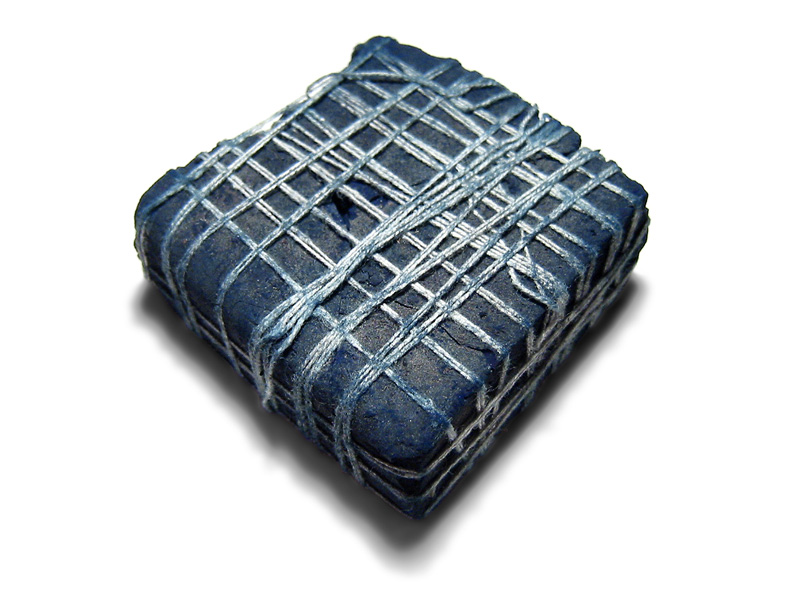
#6A5DFF
Indigo
A deep blue named for the dye once exported from IndiaNamed shade · 🇮🇳 India +5

Blue
Azurite
A deep blue copper mineral once prized as a pigment and gemstonePigment · 🇫🇷 France +5

Blue
Woad
A blue dye once vital to Europe's textile trade, made from the leaves of a flowering plantDye · 🇫🇷 France +3
Blue
Indigo
A deep blue dye from plants, now mostly made synthetically and known for colouring denimDye · 🇮🇳 India +5
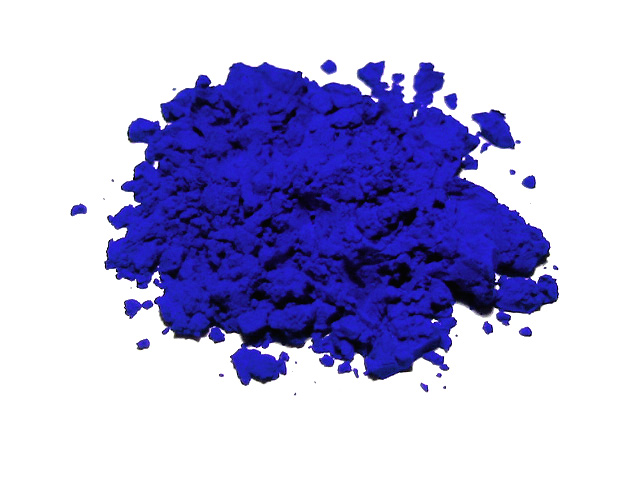
#120A8F
Ultramarine
A deep blue pigment once made from lapis lazuli, prized for centuries in artPigment · 🇦🇫 Afghanistan +2

#003153
Prussian blue
A deep blue pigment first made in Berlin in the early 1700sPigment · 🇯🇵 Japan

#007FFF
Azure
A clear sky blue, halfway between blue and cyan on the colour wheelNamed shade · 🇮🇹 Italy +2
More colours tied to the United Kingdom
The colours of the United Kingdom
#FF0000
Red
A long wavelength of light linked to blood, luck, and revolution.Basic colour · 🇪🇬 Egypt +5

#FFFF00
Yellow
A bright spectral shade found in sunlight, autumn foliage, and ancient earth pigments.Colour named from nature · 🇫🇷 France +5

#800080
Purple
A cool colour between red and blue, long linked with royalty and rarityBasic colour · 🇱🇧 Lebanon +5
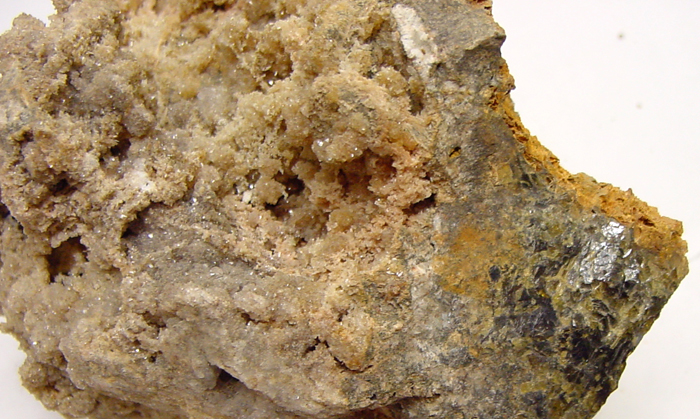
White
Zinc oxide
A white inorganic powder used in pigments, ointments, ceramics and electronicsPigment · 🇮🇳 India +2