Amaranth
A synthetic red azo dye once used in foods and cosmetics
No single value: Amaranth is a material, and its colour varies. The background shows its family, red.
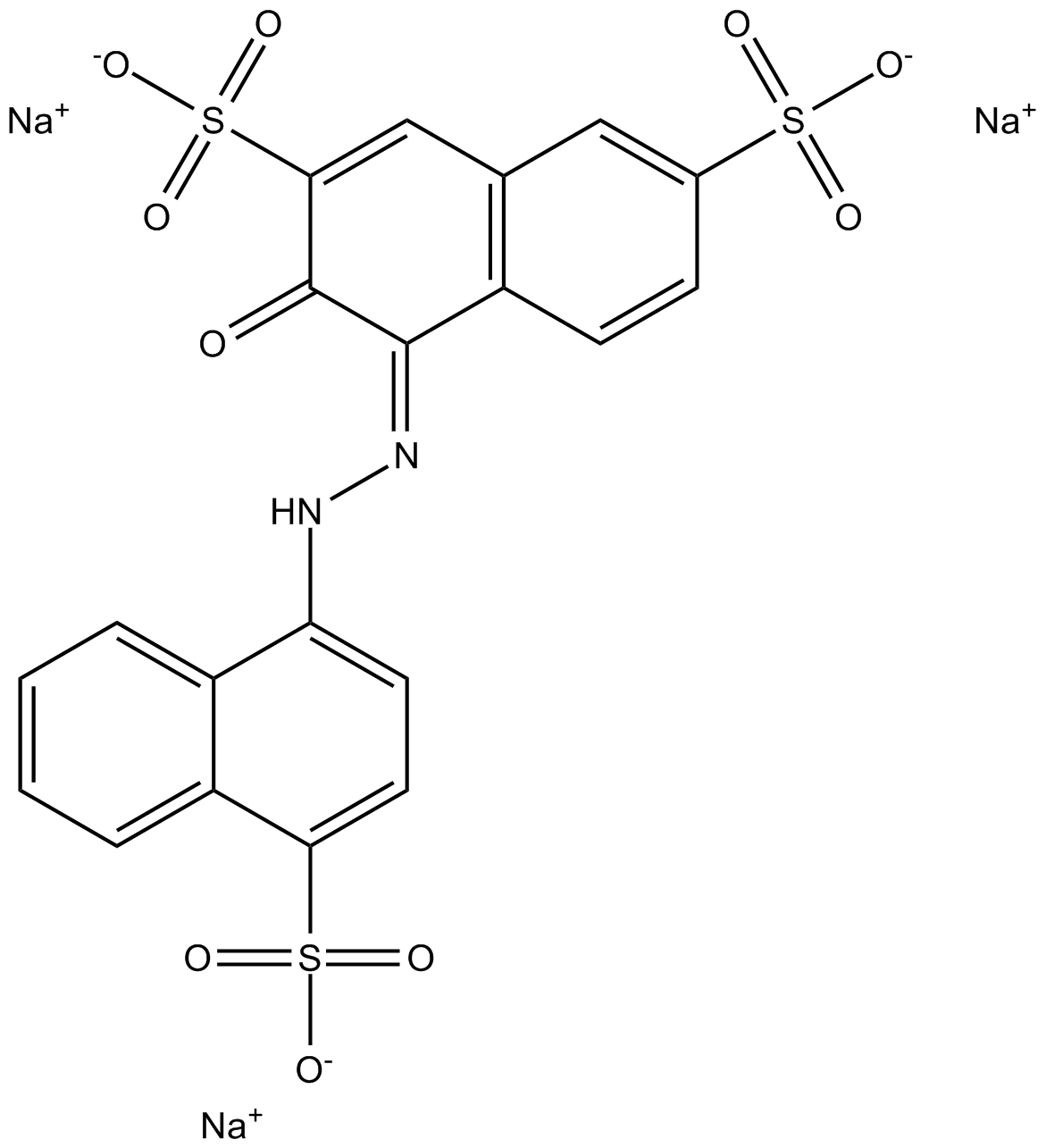
Amaranth is a synthetic red dye, not derived from the amaranth flower, but named after the red-coloured amaranth grain. It appears as a reddish-brown to purple powder, was widely used in food and cosmetics, and is now banned in the United States but still legal in some countries such as the United Kingdom.
- Amaranth is a synthetic red azo dye, not from the amaranth flower
- It was banned in the United States in 1976 as a suspected carcinogen
- Still legal in the United Kingdom, often used in glacé cherries
- It is water-soluble and usually appears as a reddish-brown to purple powder
What colour is Amaranth?
Amaranth is a synthetic dye that produces a red to reddish-brown or purple colour. It is water-soluble and usually comes as a trisodium salt. The dye is not made from the amaranth flower, but its name comes from the amaranth grain, which is known for its red colour. Amaranth dye stands out for its use in food and cosmetics, and for being an artificial colourant rather than a natural extract.
Where does Amaranth come from?
The name 'amaranth' was chosen because of the red colour of the amaranth grain, though the dye itself is entirely artificial and unrelated to the plant. Amaranth dye was developed as a synthetic azo dye and became widely used in the mid-20th century. Its use in food and cosmetics grew until health concerns led to regulatory scrutiny and bans in some countries.
How is Amaranth made?
Amaranth is made through synthetic chemical processes, originally from coal tar and now more often from petroleum byproducts. It is an azo dye, meaning it contains nitrogen-nitrogen double bonds. The dye is usually sold as a trisodium salt and dissolves in water to give a strong red colour. It decomposes at 120 °C without melting.

Where Amaranth is used
Before its ban in the United States, amaranth was used to colour foods, cosmetics, and even textiles and paper. In the United Kingdom, it is still used, especially to give glacé cherries their bright red colour. The dye can be applied to both natural and synthetic fibres, as well as to leather and certain plastics.
Red around the world
What the red family means from country to country.
Each November people pin on a red paper poppy to remember those killed in war. The flower grew on the battlefields of Flanders in the First World War.
Protection and healingDanger and warningNostalgiaSource: Remembrance poppyRed is the colour of the Labour Party, whose symbol is a red rose, and blue the colour of the Conservatives. Election maps are drawn in the two.
Politics and protestSource: Political colourPost boxes, telephone kiosks and London buses share a bright red. Post boxes were painted green at first and changed to red from 1874 so that they were easier to find.
Protection and healingPrideSource: Pillar boxSince the television maps of the 2000 election, red has meant the Republican Party and blue the Democrats, giving the phrases red state and blue state. Before then the networks had no fixed scheme.
Politics and protestSource: Red states and blue statesThe flag uses the four Pan-Arab colours: a red bar at the hoist with green, white and black bands. It was designed by a young Emirati, Abdullah Al Maainah, in 1971.
Politics and protestPrideSource: Flag of the United Arab EmiratesThe flag is a black double-headed eagle on red, the banner of the fifteenth-century hero Skanderbeg. Fans chant Kuq e Zi, red and black.
Politics and protestPrideSource: Flag of AlbaniaShades and relatives of Amaranth
Amaranth is sometimes confused with other red dyes such as Allura Red AC (FD&C Red 40), which replaced it in the United States after amaranth's ban. It is also known by several names, including E123 and Acid Red 27. Related dyes include Azorubine.
Questions people ask about Amaranth
What colour is amaranth dye?
Amaranth dye produces a red to reddish-brown or purple colour when dissolved in water.
Where does the name 'amaranth' come from?
The dye is named after the amaranth grain, which is known for its red colour, but the dye itself is synthetic and not related to the plant.
Why was amaranth dye banned in the United States?
Amaranth dye was banned in the United States in 1976 after studies linked it to cancer in laboratory animals, raising safety concerns.
Is amaranth dye still used today?
Amaranth dye is still used in some countries, such as the United Kingdom, especially in foods like glacé cherries.
How is amaranth dye made?
Amaranth dye is made synthetically, originally from coal tar and now mainly from petroleum byproducts.
Good reading and sources
- Amaranth (dye) on WikipediaEncyclopedia
- More pictures on Wikimedia CommonsPictures
- Wikidata recordOpen data
The facts on this page come from the Wikipedia article "Amaranth (dye)", written by its contributors and used under the CC BY-SA 4.0 licence, and from its Wikidata record (CC0). Rang rewrote the text in its own words, with AI assistance, and compares every page with the article to make sure no passage is copied. It may be reused under the same CC BY-SA 4.0 licence with a link back.
It may contain mistakes. The swatch is an approximation: named colours are not fixed standards, and every screen shows them a little differently. If something is wrong, tell us. Last refreshed 2026-10-03.
More of the red family
All of red
Red
Carmine
A deep red pigment made from cochineal insects, once prized across continentsPigment · 🇫🇷 France +2

Red
Rubia
A group of plants whose roots once dyed cloth and paint a lasting redColour named from nature · 🇪🇬 Egypt +5

#E32636
Alizarin
A deep red dye first made from madder roots, later produced from coal tarDye · 🇹🇷 Turkey +1

Red
Hennaحِنَّاء
A reddish dye from the henna plant, used for body art and hair since ancient timesColour named from nature · 🇪🇬 Egypt +5

Red
Kumkum
A red powder made from turmeric and lime, used for forehead marks in IndiaDye · 🇮🇳 India

Red
Kermes
A deep red dye made from Mediterranean scale insects, once prized for scarlet clothDye · 🇪🇬 Egypt +5
Red
Brazilin
A red dye from brazilwood and sappanwood, used in textiles and paints since the Middle AgesDye · 🇧🇷 Brazil +4

Red
Lacलाक्षा
A red resin secreted by insects and used as dye, varnish and shellacColour named from nature · 🇮🇳 India +5
More colours tied to the United States
The colours of the United States
#FF0000
Red
A primary colour seen in light, pigment, and tradition worldwideBasic colour · 🇺🇸 United States +5

#FFFF00
Yellow
A primary colour between green and orange, seen in sunlight, leaves, and pigmentsBasic colour · 🇫🇷 France +5

#800080
Purple
A cool colour between red and blue, long linked with royalty and rarityBasic colour · 🇱🇧 Lebanon +5
#6A5DFF
Indigo
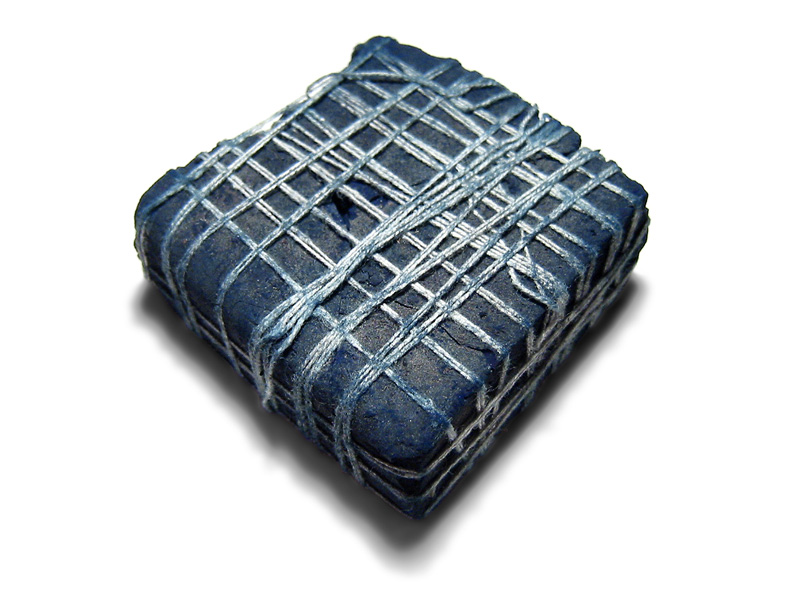
A deep blue named for the dye once exported from IndiaNamed shade · 🇮🇳 India +5