Yeomsaek
In its own language: 염색
Traditional Korean dyeing using natural colourings, especially indigo
No single value: Yeomsaek is a material, and its colour varies. The background shows its family, blue.
Yeomsaek is a Korean method of dyeing cloth with natural substances such as tea, saffron, gardenia, and especially indigo. Indigo, called jjock, holds cultural importance for royal and wedding garments. The process uses local plants and involves fermentation and sunlight to achieve a deep blue colour.
- Yeomsaek uses natural dyes like indigo, tea, saffron and gardenia
- Indigo-dyed cloth was used for Korean royalty and weddings
- The Naju area is central to traditional indigo dyeing
- Sunlight turns the dyed fabric from yellow to deep blue
- Jung Gwan-chae is a Living National Treasure for this craft
What colour is Yeomsaek?
Yeomsaek is a traditional Korean way of dyeing fabric using natural materials. The process is best known for its use of indigo, which produces a deep blue colour on cloth. Other natural dyes like tea, saffron and gardenia are also used. The indigo-dyed fabric stands out for its rich blue shade, which is achieved through a careful process involving fermentation and exposure to sunlight.
Where does Yeomsaek come from?
The word 'yeomsaek' comes from Korean and refers to the act of dyeing. Indigo dyeing, or jjock-yeomsaek, has a long history in Korea and was especially valued for royal and wedding garments. The Naju area, with its wetlands along the Yeongsan River, is central to this tradition because it provides ideal conditions for growing indigo plants.
How is Yeomsaek made?
To make indigo dye for yeomsaek, indigo plants are harvested before flowering and soaked in water in earthenware jars. After several days, the leaves are removed and the water is mixed with lime made from powdered oyster or clam shells. The dried leaves are burned to make ash, which is added as lye. The mixture is stirred and fermented, then fabric is soaked in the liquid. The cloth turns yellow at first, but sunlight changes it to deep blue.
Where Yeomsaek is used
Yeomsaek is mainly used for dyeing textiles, especially for traditional Korean clothing. Indigo-dyed cloth has been important for royal garments and weddings. The process is still practised today, with masters like Jung Gwan-chae keeping the tradition alive in Korea.
Blue around the world
What the blue family means from country to country.
Lapis lazuli has been mined in the mountains of Badakhshan for more than six thousand years. Ground to powder it gave ultramarine, the costliest blue in European painting.
Royalty and powerSacred and holyAweSource: Lapis lazuliThe chadari is a full-length covering for women with a mesh panel over the eyes. In Kabul and the north it is most often a light blue.
Protection and healingSource: BurqaThe blue band of the flag stands for the wish of the Armenian people to live under peaceful skies. The red above it is for the highlands and the struggle to survive.
Politics and protestHopeSource: Flag of ArmeniaThe flag is sky blue, white and sky blue, created by Manuel Belgrano in 1812. National teams are called the Albiceleste, the white and sky blue.
Politics and protestPrideSource: Flag of ArgentinaBoca Juniors play in blue and gold. The club's story is that in 1907 it took the colours of the flag of the next ship into port, which was Swedish.
Festival and celebrationPrideSource: Boca JuniorsTo be true blue is to be honestly and loyally Australian. The phrase is older than the country, but Australians have made it their own.
Politics and protestTrustSource: True Blue (John Williamson song)Shades and relatives of Yeomsaek
While indigo is the most culturally significant dye in yeomsaek, other natural dyes such as tea, saffron and gardenia are also used to produce different colours. The main distinction is between the deep blue of indigo and the other shades that can be achieved with these plant-based dyes.
Questions people ask about Yeomsaek
What colour is yeomsaek best known for?
Yeomsaek is best known for producing a deep blue colour using indigo dye, which is especially important in Korean tradition.
Where does the name 'yeomsaek' come from?
The name 'yeomsaek' is Korean and means dyeing, referring to the traditional process of colouring fabric with natural substances.
How is indigo dye made in yeomsaek?
Indigo plants are soaked in water, mixed with lime from shells, and fermented. The fabric is dyed yellow at first, but sunlight changes it to deep blue.
What is the cultural importance of indigo in yeomsaek?
Indigo-dyed cloth has been used for royal and wedding garments in Korea, making it the most culturally significant dye in yeomsaek.
Who keeps the yeomsaek tradition alive today?
Jung Gwan-chae, recognised as a Living National Treasure, is a leading master of traditional indigo dyeing in Korea.
Good reading and sources
The facts on this page come from the Wikipedia article "Yeomsaek", written by its contributors and used under the CC BY-SA 4.0 licence, and from its Wikidata record (CC0). Rang rewrote the text in its own words, with AI assistance, and compares every page with the article to make sure no passage is copied. It may be reused under the same CC BY-SA 4.0 licence with a link back.
It may contain mistakes. The swatch is an approximation: named colours are not fixed standards, and every screen shows them a little differently. If something is wrong, tell us. Last refreshed 2026-10-03.
More of the blue family
All of blue
Blue
Lapis lazuli
A deep blue stone prized for jewellery and the source of ultramarine pigmentColour named from nature · 🇦🇫 Afghanistan +5
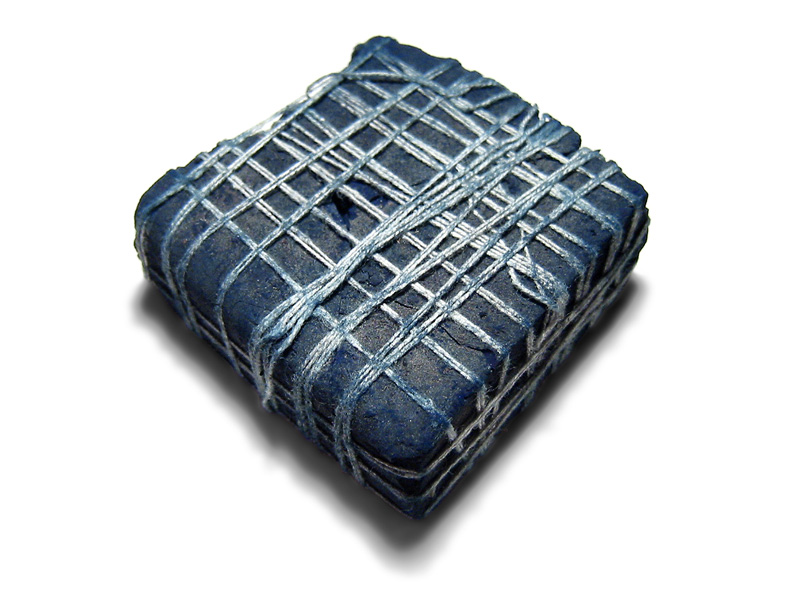
#6A5DFF
Indigo
A deep blue named for the dye once exported from IndiaNamed shade · 🇮🇳 India +5

Blue
Azurite
A deep blue copper mineral once prized as a pigment and gemstonePigment · 🇫🇷 France +5

Blue
Woad
A blue dye once vital to Europe's textile trade, made from the leaves of a flowering plantDye · 🇫🇷 France +3
Blue
Indigo
A deep blue dye from plants, now mostly made synthetically and known for colouring denimDye · 🇮🇳 India +5
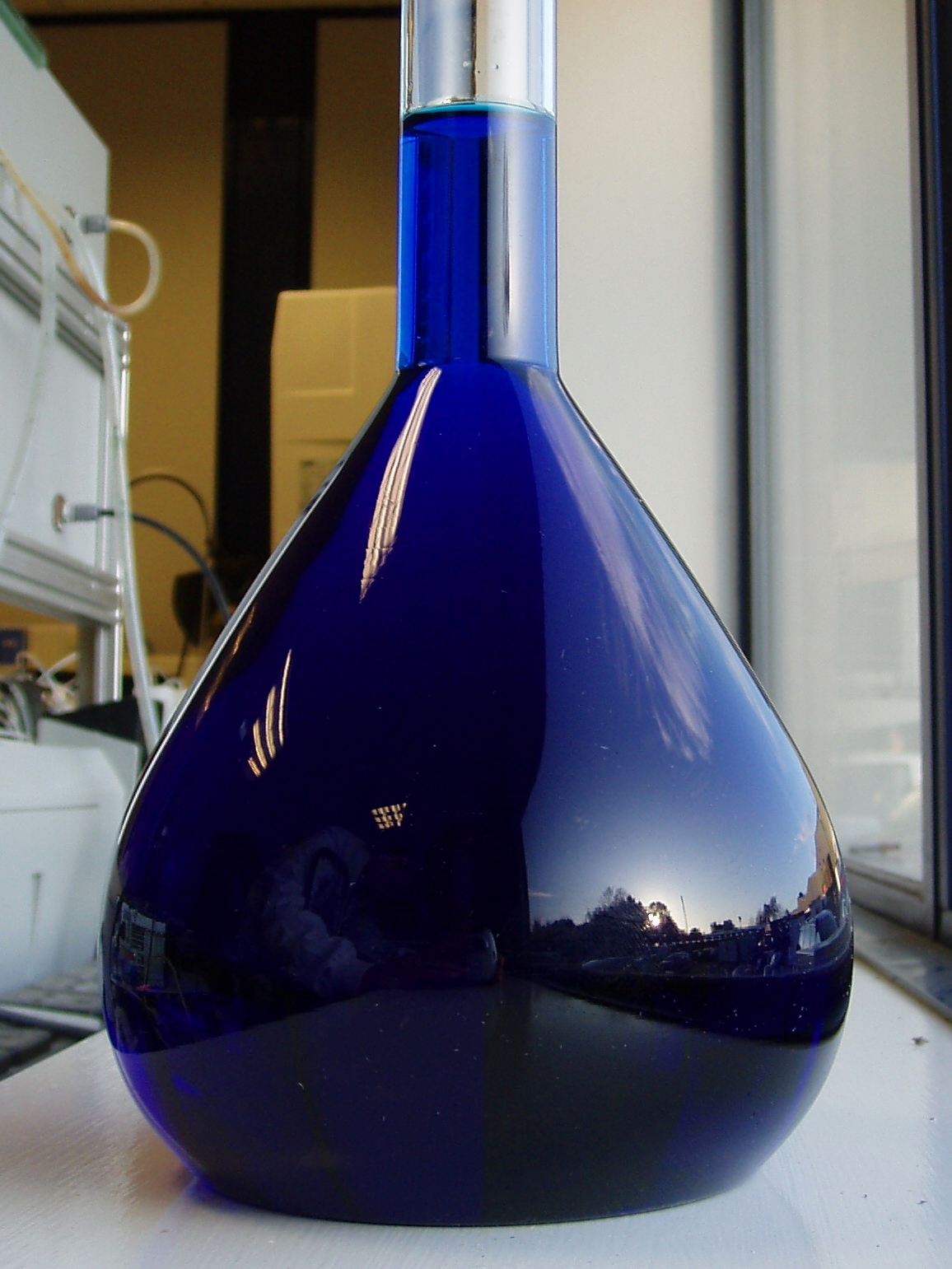
Blue
Methylene blue
A synthetic blue dye and medicine first made in 1876Dye
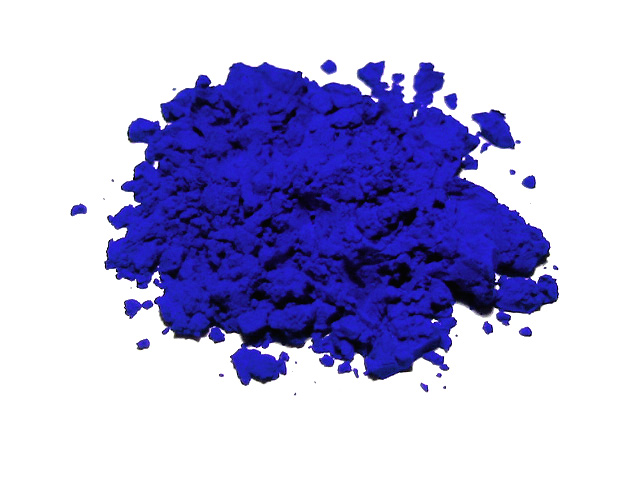
#120A8F
Ultramarine
A deep blue pigment once made from lapis lazuli, prized for centuries in artPigment · 🇦🇫 Afghanistan +2

#003153
Prussian blue
A deep blue pigment first made in Berlin in the early 1700sPigment · 🇯🇵 Japan