Ultra-Black
A colour so dark it reflects less than 0.5% of incoming light
No single value: Ultra-Black is a material, and its colour varies. The background shows its family, black.
Ultra-black describes a shade of black that reflects almost no light, making it one of the darkest colours found in nature. This colour appears in some birds, butterflies, and deep-sea fish, where it helps with camouflage or hiding bioluminescence, and is also used in technology to capture light more efficiently.
- Reflects less than 0.5% of light
- Found in some birds, butterflies, and deep-sea fish
- Deep-sea anglerfish reflect as little as 0.044% of light
- First found in fish in 2020
- Helps animals hide in dark environments
What colour is Ultra-Black?
Ultra-black is a colour so dark that it sends back less than half a percent of the light that hits it. This makes it appear almost completely black to the eye. It is found in the feathers, wings, or skin of some animals, including certain birds, butterflies, and deep-sea fish. Its main feature is how little light it reflects, setting it apart from ordinary black.
Where does Ultra-Black come from?
The term ultra-black refers to the extreme darkness of this shade, which was first identified in deep-sea fish in 2020. Researchers found that some fish had skin reflecting less than 0.5% of light, making them among the darkest animals known. The name comes from its position beyond the usual range of black shades.
How is Ultra-Black made?
In animals, ultra-black colour comes from a high amount of melanin, a natural pigment, packed into special structures called melanosomes. These melanosomes are larger and more tightly packed than in other creatures, with few gaps, so almost all light is absorbed. Unlike some birds and butterflies, which use special structures to direct light into the pigment, these fish rely on the pigment alone.
Where Ultra-Black is used
Ultra-black is seen in nature where it helps animals hide from predators or avoid being noticed by prey. In technology, materials that mimic this colour are used in devices that need to trap as much light as possible, such as in certain cameras and scientific instruments.
Black around the world
What the black family means from country to country.
The black eagle gives the country its own name for itself: Shqiperia is commonly read as the land of the eagles.
Politics and protestPrideSource: AlbaniaBlack and yellow were the colours of the Habsburg monarchy. They come from the black double-headed eagle on a gold ground used by the Holy Roman Emperors.
Royalty and powerSource: Flag of the Habsburg monarchyThe black upper half of the Aboriginal flag stands for the Aboriginal people of Australia.
Politics and protestPrideSource: Australian Aboriginal flagOn 21 February, Language Martyrs' Day, people wear black badges and black and white clothes and walk barefoot to the Shaheed Minar to honour those killed in 1952.
Mourning and deathPolitics and protestGriefSource: Bengali language movementThe black, yellow and red of the flag come from the arms of the Duchy of Brabant: a gold lion with red claws and tongue on black. They were raised in the 1830 revolution.
Politics and protestPrideSource: Flag of BelgiumTwo diagonal stripes cross the yellow of the flag, one white and one black. They stand for the Sultan's two chief ministers.
Politics and protestSource: Flag of BruneiShades and relatives of Ultra-Black
Ultra-black is distinct from standard black by its extremely low reflectivity. It is sometimes compared with artificial ultra-black materials like Vantablack, which are made for industrial uses. In nature, similar effects are seen in some birds and butterflies, but the way the colour is produced can differ.
Questions people ask about Ultra-Black
What colour is ultra-black?
Ultra-black is an extremely deep shade of black that reflects less than 0.5% of light, making it appear almost entirely dark to the human eye.
Where does the name ultra-black come from?
The name ultra-black refers to its extreme darkness, as it is darker than typical black shades by reflecting almost no light.
Where is ultra-black found in nature?
It is found in the feathers of some birds-of-paradise, the wings of certain butterflies, and the skin of several deep-sea fish species.
How do animals produce ultra-black?
Animals make this colour using large amounts of melanin packed into melanosomes, which absorb nearly all incoming light.
What is ultra-black used for in technology?
Ultra-black materials are used in devices that need to absorb as much light as possible, such as cameras and scientific instruments.
Good reading and sources
The facts on this page come from the Wikipedia article "Ultra-Black", written by its contributors and used under the CC BY-SA 4.0 licence, and from its Wikidata record (CC0). Rang rewrote the text in its own words, with AI assistance, and compares every page with the article to make sure no passage is copied. It may be reused under the same CC BY-SA 4.0 licence with a link back.
It may contain mistakes. The swatch is an approximation: named colours are not fixed standards, and every screen shows them a little differently. If something is wrong, tell us. Last refreshed 2026-10-03.
More of the black family
All of black
Black
Kohlكُحْل
A dark eye cosmetic made from minerals like galena and stibniteTraditional colour · 🇪🇬 Egypt +5
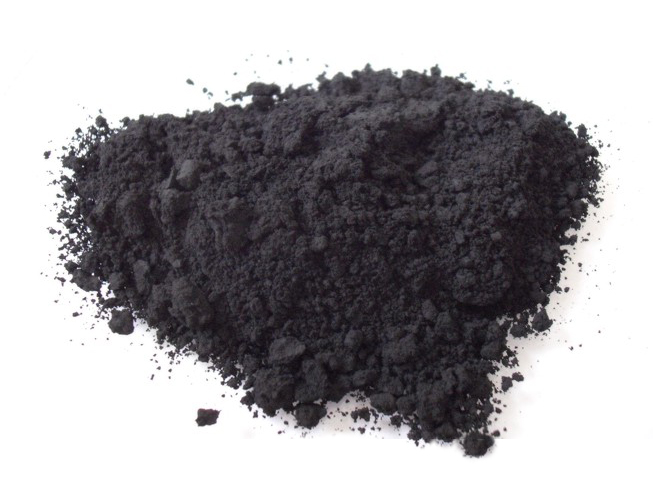
Black
Carbon black
A deep black pigment and filler made by burning carbon-rich materials with little airPigment

Black
Bone char
A deep black pigment and filter made by charring animal bonesPigment

Black
Magnetite
A naturally magnetic black mineral and a major source of ironColour named from nature

Black
Ebony
A jet-black hardwood valued for its smooth finish and rarityColour named from nature · 🇪🇬 Egypt +5
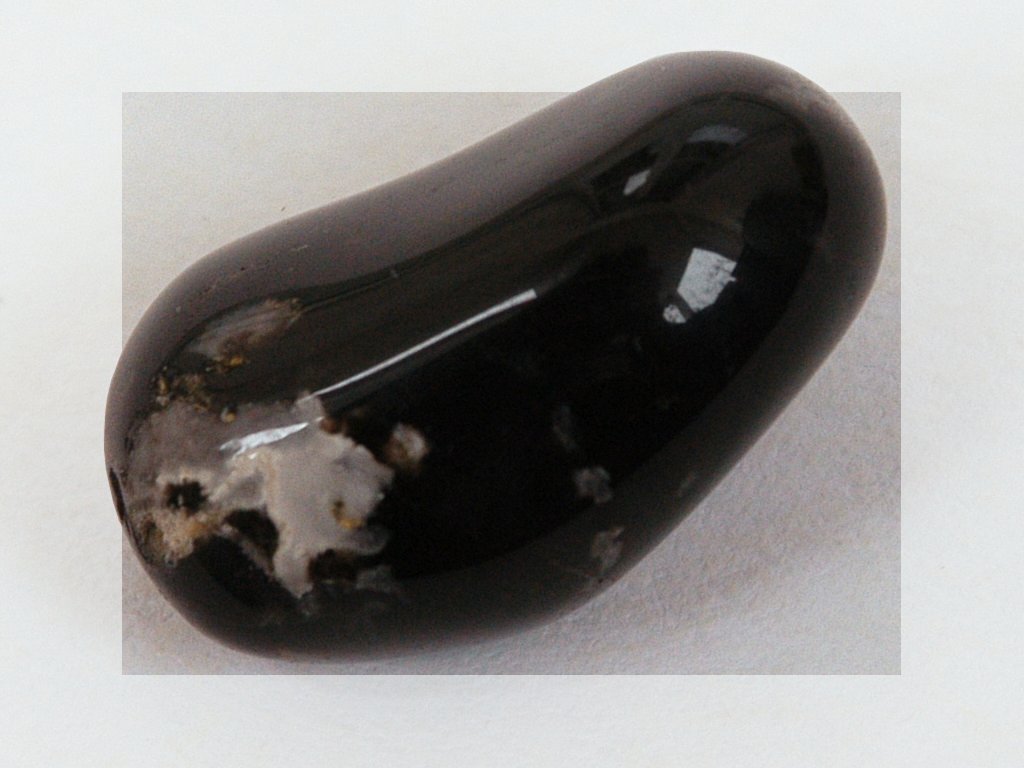
Black
Onyx
A banded stone, usually black and white, prized for carving and jewelleryColour named from nature · 🇲🇽 Mexico +5

Black
Manganese dioxide
A black-brown mineral oxide used in batteries, pigments, and chemical reactionsPigment

Black
Iron(II) oxide
A black iron compound used as a pigment and found deep in the EarthPigment
More colours tied to Mexico
The colours of Mexico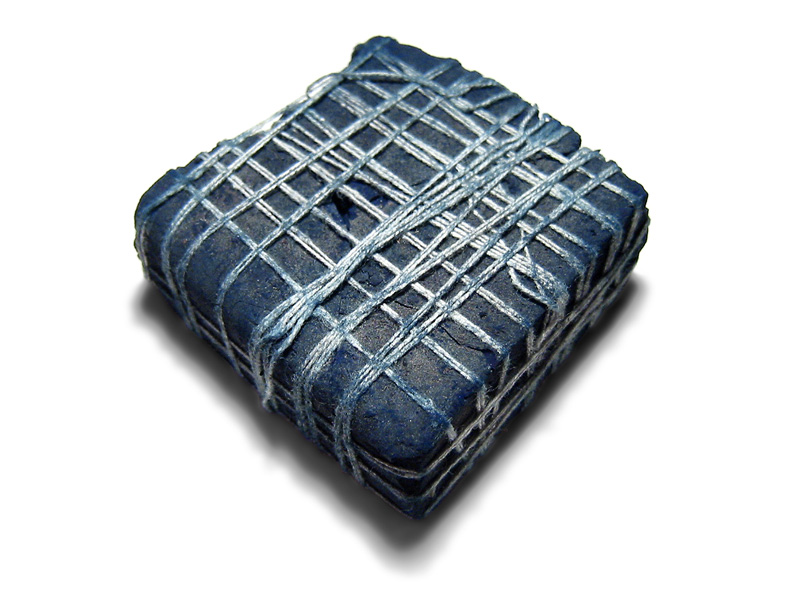
#6A5DFF
Indigo
A deep blue named for the dye once exported from IndiaNamed shade · 🇮🇳 India +5

Green
Malachite
A banded green mineral and pigment once prized for art and decorationColour named from nature · 🇪🇬 Egypt +4

Blue
Azurite
A deep blue copper mineral once prized as a pigment and gemstonePigment · 🇫🇷 France +5

#40E0D0
Turquoise
A blue-green colour named after a prized mineral long used for gems and decorationNamed shade · 🇮🇷 Iran +5