Trypan blue
A synthetic blue azo dye used to stain dead cells in science and medicine

Trypan blue is a synthetic blue dye mainly used in science to identify dead cells, as only non-living cells take up the colour. First made in 1904, its name comes from its ability to kill trypanosome parasites. It is also called diamine blue and Niagara blue.
Share on WhatsAppOpen in the lab
- Only dead cells take up trypan blue, making them easy to spot under a microscope
- First made by Paul Ehrlich in 1904
- Used in eye surgery to stain tissues for better visibility
- Named for its effect on trypanosome parasites
- Also called diamine blue and Niagara blue
What colour is Trypan blue?
Trypan blue is a bright blue synthetic dye. It stands out because it colours only dead cells or tissues, leaving living ones unstained. This makes it useful for scientists who need to tell live from dead cells under a microscope. The dye is also used in medicine, especially in eye surgery, where it helps surgeons see certain tissues more clearly.
Where does Trypan blue come from?
The name 'trypan blue' comes from its ability to kill trypanosomes, the parasites behind sleeping sickness. It was first made by Paul Ehrlich, a German scientist, in 1904. The dye is derived from toluidine, a chemical related to toluene. Over time, it has gained several other names, including diamine blue and Niagara blue.
How is Trypan blue made?
Trypan blue is made synthetically from toluidine, a chemical base that comes from toluene. As an azo dye, it contains nitrogen-nitrogen double bonds, which are common in many synthetic dyes. It is not a natural dye and does not come from plants, minerals, or animals.


Where Trypan blue is used
In science, trypan blue is used to stain dead cells so they appear blue under a microscope, helping researchers count and study them. It is also used in eye surgery to highlight tissues during procedures like cataract removal and corneal transplants. In the past, it was used as a direct dye for cotton textiles. The dye has also played a role in research on the blood-brain barrier.
Blue around the world
What the blue family means from country to country.
Lapis lazuli has been mined in the mountains of Badakhshan for more than six thousand years. Ground to powder it gave ultramarine, the costliest blue in European painting.
Royalty and powerSacred and holyAweSource: Lapis lazuliThe chadari is a full-length covering for women with a mesh panel over the eyes. In Kabul and the north it is most often a light blue.
Protection and healingSource: BurqaThe blue band of the flag stands for the wish of the Armenian people to live under peaceful skies. The red above it is for the highlands and the struggle to survive.
Politics and protestHopeSource: Flag of ArmeniaThe flag is sky blue, white and sky blue, created by Manuel Belgrano in 1812. National teams are called the Albiceleste, the white and sky blue.
Politics and protestPrideSource: Flag of ArgentinaBoca Juniors play in blue and gold. The club's story is that in 1907 it took the colours of the flag of the next ship into port, which was Swedish.
Festival and celebrationPrideSource: Boca JuniorsTo be true blue is to be honestly and loyally Australian. The phrase is older than the country, but Australians have made it their own.
Politics and protestTrustSource: True Blue (John Williamson song)Shades and relatives of Trypan blue
Trypan blue is sometimes confused with trypan red, another dye made around the same time. It is also known by several other names, such as diamine blue and Niagara blue. These names all refer to the same chemical dye, though there may be slight differences in commercial preparations.
Colours that go with Trypan blue
Harmonies are worked out from the value #1C05B3. Contrast ratios follow the WCAG 2 formula.
Questions people ask about Trypan blue
What colour is trypan blue?
Trypan blue is a bright, synthetic blue dye. It is especially noticeable because it stains only dead cells, making them appear blue under a microscope.
Where does the name 'trypan blue' come from?
The dye is called trypan blue because it can kill trypanosomes, which are parasites that cause sleeping sickness.
What is trypan blue used for?
It is mainly used in science and medicine to stain dead cells for counting and observation, and in eye surgery to help surgeons see certain tissues more clearly.
How is trypan blue made?
Trypan blue is made synthetically from toluidine, a chemical derived from toluene. It is an azo dye, meaning it contains nitrogen-nitrogen bonds.
Good reading and sources
- Trypan blue on WikipediaEncyclopedia
- More pictures on Wikimedia CommonsPictures
- Wikidata recordOpen data
The facts on this page come from the Wikipedia article "Trypan blue", written by its contributors and used under the CC BY-SA 4.0 licence, and from its Wikidata record (CC0). Rang rewrote the text in its own words, with AI assistance, and compares every page with the article to make sure no passage is copied. It may be reused under the same CC BY-SA 4.0 licence with a link back.
It may contain mistakes. The swatch is an approximation: named colours are not fixed standards, and every screen shows them a little differently. If something is wrong, tell us. Last refreshed 2026-10-03.
More of the blue family
All of blue
Blue
Woad
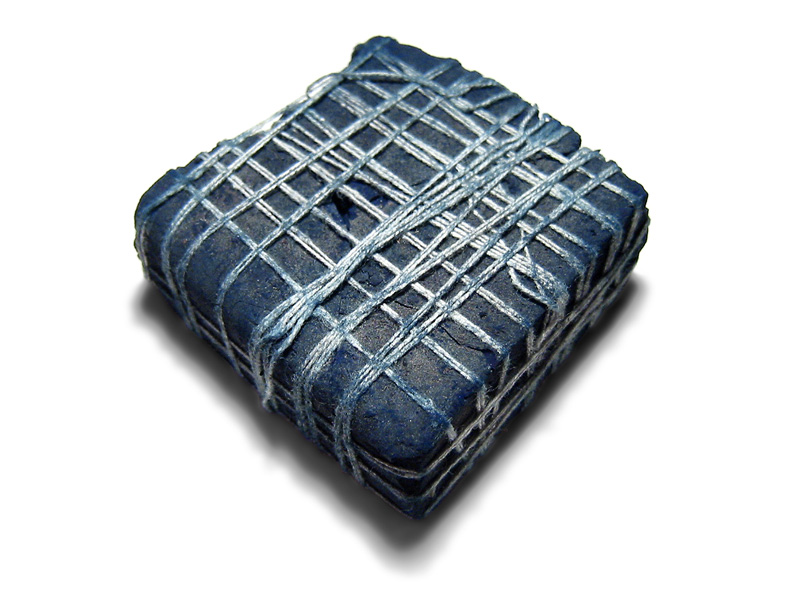
A blue dye once vital to Europe's textile trade, made from the leaves of a flowering plantDye · 🇫🇷 France +3
Blue
Indigo
A deep blue dye from plants, now mostly made synthetically and known for colouring denimDye · 🇮🇳 India +5
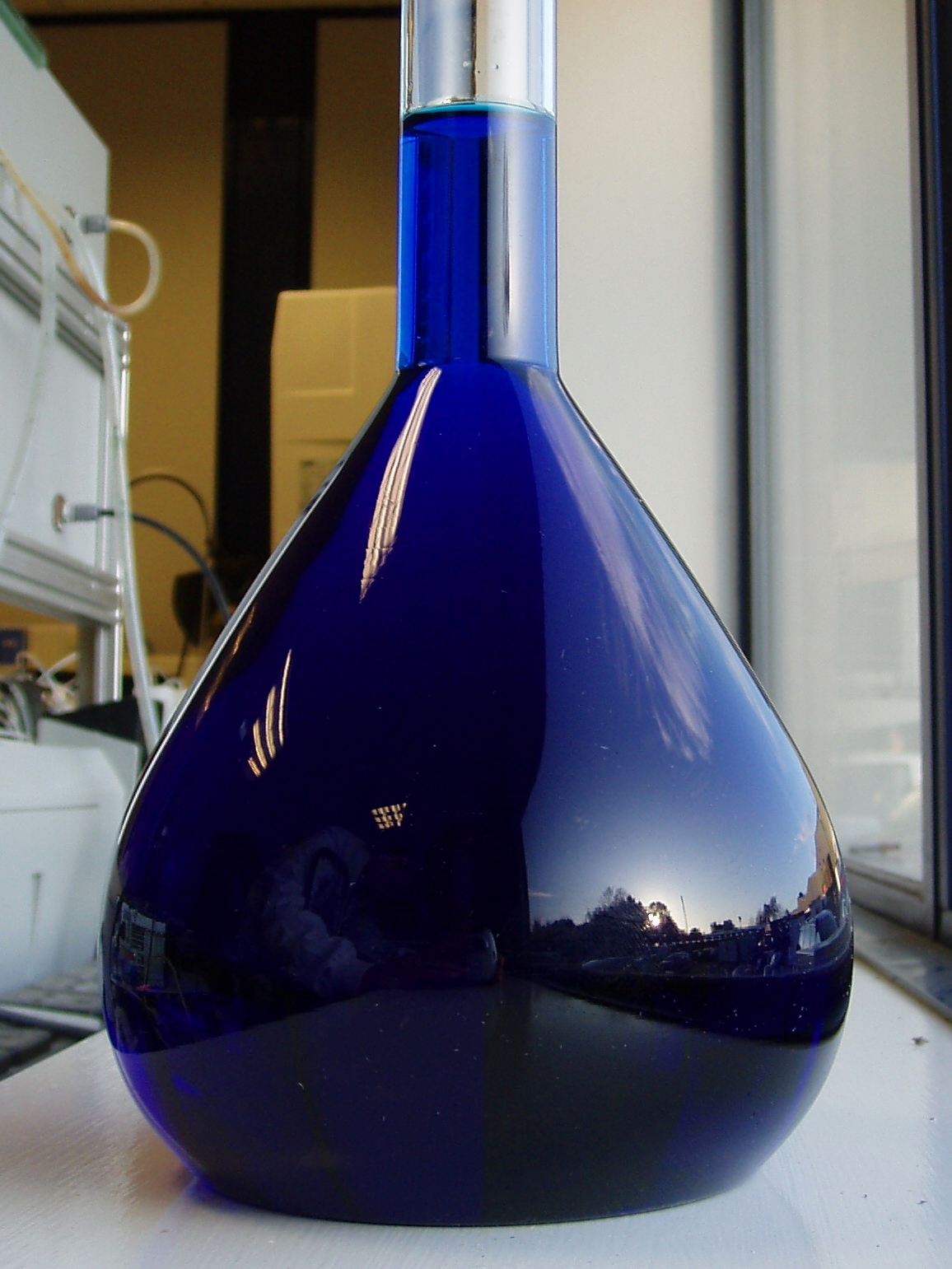
Blue
Methylene blue
A synthetic blue dye and medicine first made in 1876Dye

Blue
Haematoxylin
A natural dye from logwood, best known for staining cell nuclei in histologyDye · 🇵🇭 Philippines

Blue
Tekheletתְּכֵלֶת
A blue dye from sea snails, central to ancient Jewish ritual and traditionDye · 🇮🇱 Israel +2

Blue
Butterfly pea blue
A vivid blue from the butterfly pea flower, used in Asian food and drinkColour named from nature · 🇮🇩 Indonesia +5

Blue
Indigofera tinctoria
A shrub whose leaves yield natural indigo dyeColour named from nature · 🇮🇳 India +5

Blue
Indigo carmine
A water-soluble blue dye made from indigo, used in food, medicine and sciencePigment · 🇺🇸 United States