Sulfur dye
A group of dyes mainly used for dark colours on cotton fabrics
No single value: Sulfur dye is a material, and its colour varies. The background shows its family, black.
Sulfur dyes are a class of synthetic dyes mainly used for colouring cotton in dark shades like black, brown, and blue. They are valued for being affordable, easy to use, and producing fabrics that resist washing, though they are less common in the West today due to environmental concerns.
- Mainly used for dyeing cotton in dark colours
- First developed in the late 19th century
- Known for good wash-fastness but poor resistance to bleach
- Still widely used in China, less so in the West
- Environmental concerns have led to new, less toxic dyeing methods
What colour is Sulfur dye?
Sulfur dyes are synthetic colourants used mostly for dyeing cotton and other cellulose fibres. They are best known for producing deep, dark colours, especially black, brown, and blue. These dyes are not soluble in water, which helps the colour last through many washes. Their main use is in making affordable, durable fabrics with strong, lasting shades.
Where does Sulfur dye come from?
The first sulfur dyes appeared in the late 1800s. Early versions were made by treating plant material like sawdust with chemicals containing sulfur. Later, new types were created by combining aromatic chemicals with sulfur, leading to a wide range of dark dyes. The most widely used is Sulfur Black 1, first made by reacting certain phenol compounds with sodium sulfide.
How is Sulfur dye made?
Sulfur dyes are made by reacting organic chemicals, such as aromatic compounds, with sulfur and sodium sulfide. The process forms large, water-insoluble molecules. To use them, the dye is first made soluble with a reducing agent like sodium sulfide at high temperature, so it can soak into the cotton. Once the fabric is exposed to air, the dye returns to its insoluble form, locking the colour in place.
Where Sulfur dye is used
These dyes are mainly used to colour cotton fabrics in dark shades. They are popular because they are inexpensive and the colours do not wash out easily. However, they are not suitable for all types of fabric and can be damaged by chlorine bleach. Sulfur dyes are still widely used in China, though their use is declining in other countries due to pollution from the dyeing process.
Black around the world
What the black family means from country to country.
The black eagle gives the country its own name for itself: Shqiperia is commonly read as the land of the eagles.
Politics and protestPrideSource: AlbaniaBlack and yellow were the colours of the Habsburg monarchy. They come from the black double-headed eagle on a gold ground used by the Holy Roman Emperors.
Royalty and powerSource: Flag of the Habsburg monarchyThe black upper half of the Aboriginal flag stands for the Aboriginal people of Australia.
Politics and protestPrideSource: Australian Aboriginal flagOn 21 February, Language Martyrs' Day, people wear black badges and black and white clothes and walk barefoot to the Shaheed Minar to honour those killed in 1952.
Mourning and deathPolitics and protestGriefSource: Bengali language movementThe black, yellow and red of the flag come from the arms of the Duchy of Brabant: a gold lion with red claws and tongue on black. They were raised in the 1830 revolution.
Politics and protestPrideSource: Flag of BelgiumTwo diagonal stripes cross the yellow of the flag, one white and one black. They stand for the Sultan's two chief ministers.
Politics and protestSource: Flag of BruneiShades and relatives of Sulfur dye
Most sulfur dyes are dark, with black, brown, and blue being the most common. There are no true red sulfur dyes, but lighter pink or scarlet shades exist. Other members of this group include dyes for orange, brown, and green, each made from different chemical mixtures.
Questions people ask about Sulfur dye
What colour are sulfur dyes usually?
Sulfur dyes are mostly used for black, brown, and dark blue shades. There are no true red sulfur dyes, but some lighter pink or scarlet versions exist.
Where does the name 'sulfur dye' come from?
The name comes from the use of sulfur in the chemical structure of these dyes. Sulfur forms part of the dye molecule and is essential to how the dye works.
How are sulfur dyes made?
They are produced by reacting organic compounds with sulfur and sodium sulfide. This creates large, insoluble dye molecules that can be made temporarily soluble to dye cotton.
Why are sulfur dyes less common in the West now?
Sulfur dyes create polluting waste during the dyeing process. Because of this, their use has declined in Western countries, but they are still widely used in China.
Good reading and sources
The facts on this page come from the Wikipedia article "Sulfur dye", written by its contributors and used under the CC BY-SA 4.0 licence, and from its Wikidata record (CC0). Rang rewrote the text in its own words, with AI assistance, and compares every page with the article to make sure no passage is copied. It may be reused under the same CC BY-SA 4.0 licence with a link back.
It may contain mistakes. The swatch is an approximation: named colours are not fixed standards, and every screen shows them a little differently. If something is wrong, tell us. Last refreshed 2026-10-03.
More of the black family
All of black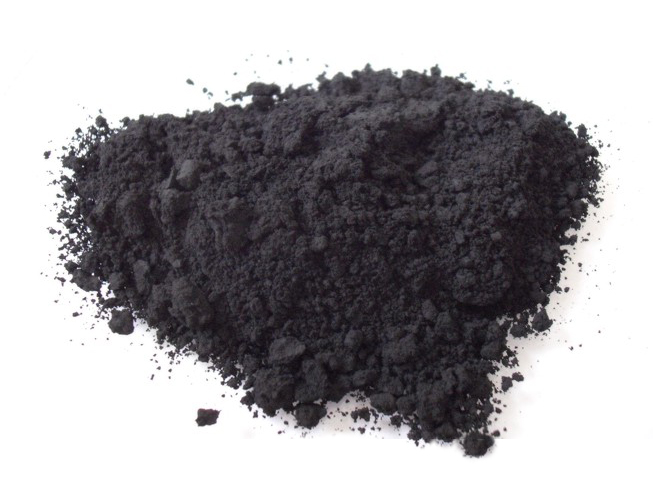
Black
Carbon black
A deep black pigment and filler made by burning carbon-rich materials with little airPigment

Black
Bone char
A deep black pigment and filter made by charring animal bonesPigment

Black
Cephalopod ink
A dark liquid from sea creatures, once used in pens and now in Mediterranean and Japanese foodColour named from nature · 🇯🇵 Japan +2
Black
Atramentum
A deep black ink or dye once used for writing, leather and painting in ancient RomePigment
Black
Brilliant Black BN
A synthetic black dye used in foods and decorations, known as E151 in EuropeDye · 🇺🇸 United States +2
Black
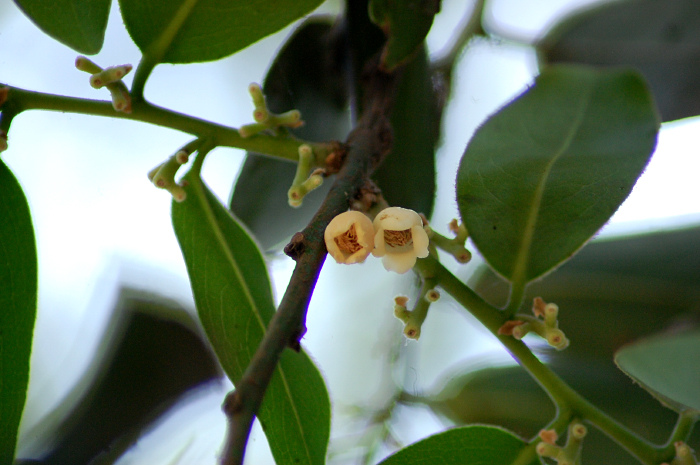
Diospyros malabarica dye
A black dye from the unripe fruit and leaves of the Malabar ebony treeDye · 🇮🇳 India +1

#000000
Black
The colour seen when no visible light is present or all light is absorbedBasic colour

Black
India ink
A deep black ink made from carbon soot, used for writing, drawing and calligraphyPigment · 🇨🇳 China +1
More colours tied to China
The colours of China
#FF0000
Red
A primary colour seen in light, pigment, and tradition worldwideBasic colour · 🇺🇸 United States +5

#FFFF00
Yellow
A primary colour between green and orange, seen in sunlight, leaves, and pigmentsBasic colour · 🇫🇷 France +5

#800080
Purple
A cool colour between red and blue, long linked with royalty and rarityBasic colour · 🇱🇧 Lebanon +5

Red
Cinnabar
A scarlet to brick-red mineral and the main source of mercury and vermilion pigmentColour named from nature · 🇪🇸 Spain +5