Atramentum
A deep black ink or dye once used for writing, leather and painting in ancient Rome
No single value: Atramentum is a material, and its colour varies. The background shows its family, black.
Atramentum is a very black liquid used since ancient Rome as ink, dye and varnish. The term covered writing ink, leather dye and a painter’s black, often made from carbon black or by reacting iron salts with tannic acid. Its iron-based form, iron gall ink, was widely used from the 12th to 19th centuries and is linked to ink corrosion in old manuscripts.
- Used in ancient Rome for ink, leather dye and painting
- Iron gall ink form was common from the 12th to 19th century
- Can be made from carbon black or iron salts with tannic acid
- Jewish scribes used iron sulfate-based ink for Torah scrolls
- Known to cause ink corrosion in old manuscripts
What colour is Atramentum?
Atramentum refers to a very black liquid, usually used as ink, dye or pigment. In ancient Rome, it was a general term for any black colouring substance, and could be made from different materials. It is known for its deep, lustrous black colour, which can appear greyish-black in water but becomes richer in oil. Atramentum stands out from other blacks by its historical uses and the different recipes behind it.
Where does Atramentum come from?
The word atramentum comes from Latin, meaning to make something black. In Roman times, it covered several black substances: librarium for writing, sutorium for dyeing leather, and tectorium for painting or varnish. The painter Apelles was said to make a special form by burning ivory. The term is also linked to the English word 'atrocious', both coming from the idea of blackening.
How is Atramentum made?
Atramentum could be made in several ways. One common method was using carbon black, a fine black powder from burning organic material. Another was reacting iron salts with tannic acid, often from oak bark, to produce iron gall ink. This iron-based ink was popular for centuries but is known to cause corrosion in old documents. Some forms were made by burning ivory or using iron sulfate.
Where Atramentum is used
In ancient Rome, atramentum was used for writing, dyeing leather, and as a painter’s varnish. The writing ink, called atramentum librarium, was essential for manuscripts. Shoemakers used sutorium to dye leather, while painters used tectorium for certain finishes. Iron gall ink, a later form, became the main writing ink in Europe from the 12th to 19th centuries. Jewish scribes also used iron sulfate-based ink for Torah scrolls.
What Atramentum means
The sources do not link atramentum to any symbolic meaning or emotion. Its main importance is practical, as a black ink or dye. In Jewish tradition, the ink’s composition is noted for its effect on Torah scrolls, but not for any specific symbolic association.
Black around the world
What the black family means from country to country.
The black eagle gives the country its own name for itself: Shqiperia is commonly read as the land of the eagles.
Politics and protestPrideSource: AlbaniaBlack and yellow were the colours of the Habsburg monarchy. They come from the black double-headed eagle on a gold ground used by the Holy Roman Emperors.
Royalty and powerSource: Flag of the Habsburg monarchyThe black upper half of the Aboriginal flag stands for the Aboriginal people of Australia.
Politics and protestPrideSource: Australian Aboriginal flagOn 21 February, Language Martyrs' Day, people wear black badges and black and white clothes and walk barefoot to the Shaheed Minar to honour those killed in 1952.
Mourning and deathPolitics and protestGriefSource: Bengali language movementThe black, yellow and red of the flag come from the arms of the Duchy of Brabant: a gold lion with red claws and tongue on black. They were raised in the 1830 revolution.
Politics and protestPrideSource: Flag of BelgiumTwo diagonal stripes cross the yellow of the flag, one white and one black. They stand for the Sultan's two chief ministers.
Politics and protestSource: Flag of BruneiShades and relatives of Atramentum
Atramentum covers several recipes and uses. Carbon black and iron gall are the main types, with differences in how they are made and how they look. Iron gall ink is known for causing ink corrosion. Atramentum elephantinum, made by burning ivory, was a special variant used by the painter Apelles. The term can also refer to other black substances used for dyeing or varnishing.
Questions people ask about Atramentum
What colour is atramentum?
Atramentum is a very deep black, sometimes appearing greyish-black in water but much darker and lustrous in oil.
Where does the name atramentum come from?
The name comes from Latin, where it meant to make something black. It is related to the English word 'atrocious'.
What was atramentum used for?
Atramentum was used as ink for writing, as a dye for leather, and as a black varnish or pigment in painting, especially in ancient Rome.
How was atramentum made?
It was made from carbon black, or by reacting iron salts with tannic acid from oak bark. Some forms used ivory or iron sulfate.
Why is iron gall ink important?
Iron gall ink, a type of atramentum, was widely used for writing from the 12th to 19th centuries and is found in many historic manuscripts, but it can cause ink corrosion.
Good reading and sources
The facts on this page come from the Wikipedia article "Atramentum", written by its contributors and used under the CC BY-SA 4.0 licence, and from its Wikidata record (CC0). Rang rewrote the text in its own words, with AI assistance, and compares every page with the article to make sure no passage is copied. It may be reused under the same CC BY-SA 4.0 licence with a link back.
It may contain mistakes. The swatch is an approximation: named colours are not fixed standards, and every screen shows them a little differently. If something is wrong, tell us. Last refreshed 2026-10-03.
More of the black family
All of black
Black
India ink
A deep black ink made from carbon soot, used for writing, drawing and calligraphyPigment · 🇨🇳 China +1

Black
Kohlكُحْل
A dark eye cosmetic made from minerals like galena and stibniteTraditional colour · 🇪🇬 Egypt +5
Black
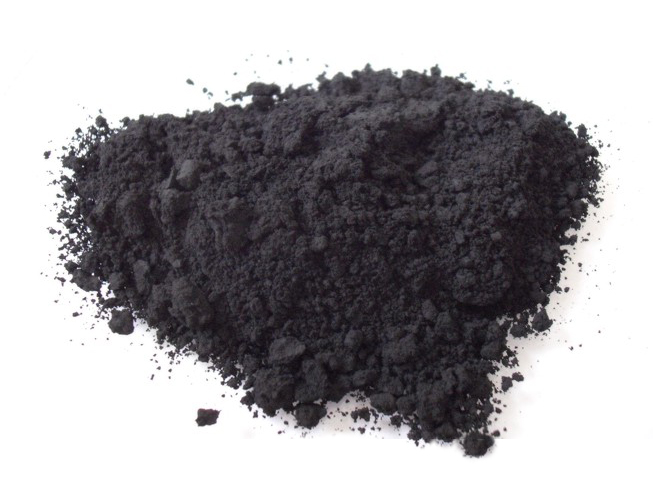
Carbon black
A deep black pigment and filler made by burning carbon-rich materials with little airPigment

Black
Vantablack
A super-black coating made from carbon nanotubes that absorbs nearly all visible lightPigment

Black
Bone char
A deep black pigment and filter made by charring animal bonesPigment

Black
Magnetite
A naturally magnetic black mineral and a major source of ironColour named from nature

Black
Ebony
A jet-black hardwood valued for its smooth finish and rarityColour named from nature · 🇪🇬 Egypt +5
Black
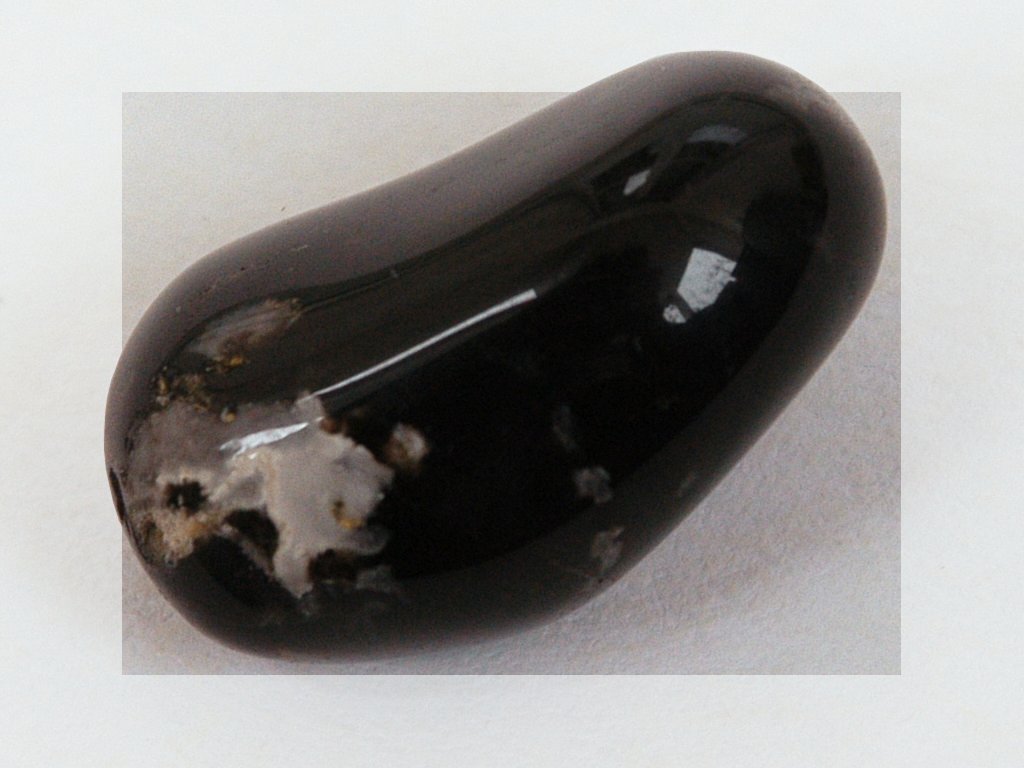
Onyx
A banded stone, usually black and white, prized for carving and jewelleryColour named from nature · 🇲🇽 Mexico +5