Cudbear
A red dye once made from a lichen found on rocks in upland Europe
No single value: Cudbear is a material, and its colour varies. The background shows its family, red.

Cudbear is a reddish dye that was produced from the lichen Ochrolechia tartarea, which grows as a thick, rough grey crust on acidic rocks in damp, elevated areas across Europe and parts of Asia. The dye was especially important in Scotland in the 1700s, but overuse led to a sharp decline in the lichen’s numbers.
- Cudbear is a red dye made from a lichen found on rocks.
- It was patented in Scotland in 1758.
- Overharvesting for dye led to the lichen's decline in Scotland.
- The lichen grows in moist, upland areas across Europe and Asia.
- Cudbear was once important in the textile industry.
What colour is Cudbear?
Cudbear is a dye that gives a reddish colour and is made from a type of lichen called Ochrolechia tartarea. This lichen forms a thick, rough crust, mostly grey in colour, on rocks in moist, upland places. The lichen’s fruiting bodies are small, disc-shaped spots that range from pale brown to pinkish-orange. Cudbear stands out from other red dyes because it comes from a lichen rather than a plant or insect.
Where does Cudbear come from?
The name cudbear comes from the dye’s commercial production, which began in Scotland in the 18th century. The lichen used for cudbear, Ochrolechia tartarea, was first described by Carl Linnaeus in 1753. The dye became important in Scotland after it was patented in 1758, and was later exported and used in other parts of Europe. Over time, heavy harvesting for dye production led to a decline in the lichen’s natural populations.
How is Cudbear made?
Cudbear is made by collecting the lichen Ochrolechia tartarea from rocks, then processing it to extract the red dye. The lichen contains acids that react during preparation to produce the dye. In the past, large amounts of the lichen were gathered from upland areas, especially in Scotland and Norway, and then treated to create the colouring used for textiles.
Where Cudbear is used
The main use for cudbear was dyeing cloth. It was valued for producing shades of red and purple, and became a key dye in the textile industry of 18th-century Scotland. As demand grew, supplies were also sourced from Norway and other northern European regions. The dye’s popularity led to overharvesting, which reduced the lichen’s availability in its native habitats.
Red around the world
What the red family means from country to country.
The flag is red, white and red. Legend says Duke Leopold V's white tunic was soaked in blood at the siege of Acre, all but the band under his belt.
Politics and protestCourageSource: Flag of AustriaThe flag is a white cross on a red square, one of only two square national flags. The Red Cross emblem is the same design with the colours reversed, in honour of Switzerland.
Politics and protestPrideSource: Flag of SwitzerlandThe flag is red with a blue cross edged in white. The colours were chosen in 1821 to echo the flags of free countries such as France and the United States.
Politics and protestPrideSource: Flag of NorwayIn their last spring at school, students called russ wear overalls for weeks of parties that end on 17 May, Constitution Day. Most wear red, and business students wear blue.
Festival and celebrationJoySource: RussefeiringThe flag uses the four Pan-Arab colours: a red bar at the hoist with green, white and black bands. It was designed by a young Emirati, Abdullah Al Maainah, in 1971.
Politics and protestPrideSource: Flag of the United Arab EmiratesThe flag is a black double-headed eagle on red, the banner of the fifteenth-century hero Skanderbeg. Fans chant Kuq e Zi, red and black.
Politics and protestPrideSource: Flag of AlbaniaShades and relatives of Cudbear
Other lichens can produce similar dyes, but cudbear is specifically linked to Ochrolechia tartarea. In Australia, a related lichen, Ochrolechia insularis, looks similar but has a smoother surface and a different colour reaction with chemicals. Cudbear may be confused with dyes from other lichen species, but chemical analysis can tell them apart.
Questions people ask about Cudbear
What colour is cudbear?
Cudbear produces a reddish dye, sometimes with purple tones, used mainly for colouring textiles.
Where does the name cudbear come from?
The name refers to the dye made from Ochrolechia tartarea, which became commercially important in Scotland after being patented in 1758.
What is cudbear made from?
It is made from the lichen Ochrolechia tartarea, which grows as a rough grey crust on rocks in upland, damp areas.
Why did cudbear become rare?
Heavy harvesting of the lichen for dye production in the 18th and 19th centuries led to a sharp decline in its populations, especially in Scotland.
Good reading and sources
- Ochrolechia tartarea on WikipediaEncyclopedia
- More pictures on Wikimedia CommonsPictures
- Wikidata recordOpen data
The facts on this page come from the Wikipedia article "Ochrolechia tartarea", written by its contributors and used under the CC BY-SA 4.0 licence, and from its Wikidata record (CC0). Rang rewrote the text in its own words, with AI assistance, and compares every page with the article to make sure no passage is copied. It may be reused under the same CC BY-SA 4.0 licence with a link back.
It may contain mistakes. The swatch is an approximation: named colours are not fixed standards, and every screen shows them a little differently. If something is wrong, tell us. Last refreshed 2026-10-03.
More of the red family
All of red
Red
Cinnabar
A scarlet to brick-red mineral and the main source of mercury and vermilion pigmentColour named from nature · 🇪🇸 Spain +5

Red
Realgar
An orange-red arsenic sulfide mineral once used as a pigment and poisonPigment · 🇨🇳 China +5
Red
Carmine
A deep red pigment made from cochineal insects, once prized across continentsPigment · 🇫🇷 France +2

#E25822
Scarlet
A bright red with a touch of orange, long tied to power, sacrifice and sinNamed shade · 🇹🇷 Turkey +4

#E34234
Vermilion
A brilliant orange-red pigment, once made from toxic mercury orePigment · 🇹🇷 Turkey +5

Red
Rubia
A group of plants whose roots once dyed cloth and paint a lasting redColour named from nature · 🇪🇬 Egypt +5

#DC143C
Crimson
A deep red with a hint of purple, once made from insectsNamed shade · 🇳🇵 Nepal

#E32636
Alizarin
A deep red dye first made from madder roots, later produced from coal tarDye · 🇹🇷 Turkey +1
More colours tied to Norway
The colours of Norway
#801818
Falu redfalu rödfärg
A deep red paint pigment from the Falun copper mine, used on wooden houses in SwedenPigment · 🇸🇪 Sweden +2

#FFFEEF
Titanium white
A bright white pigment made from titanium dioxide, valued for its strong coveragePigment · 🇺🇸 United States +1
White
Titanium dioxide
A brilliant white pigment made from titanium, used in paints, food and sunscreenPigment · 🇨🇳 China +5
Yellow
Chrysothrix chlorina
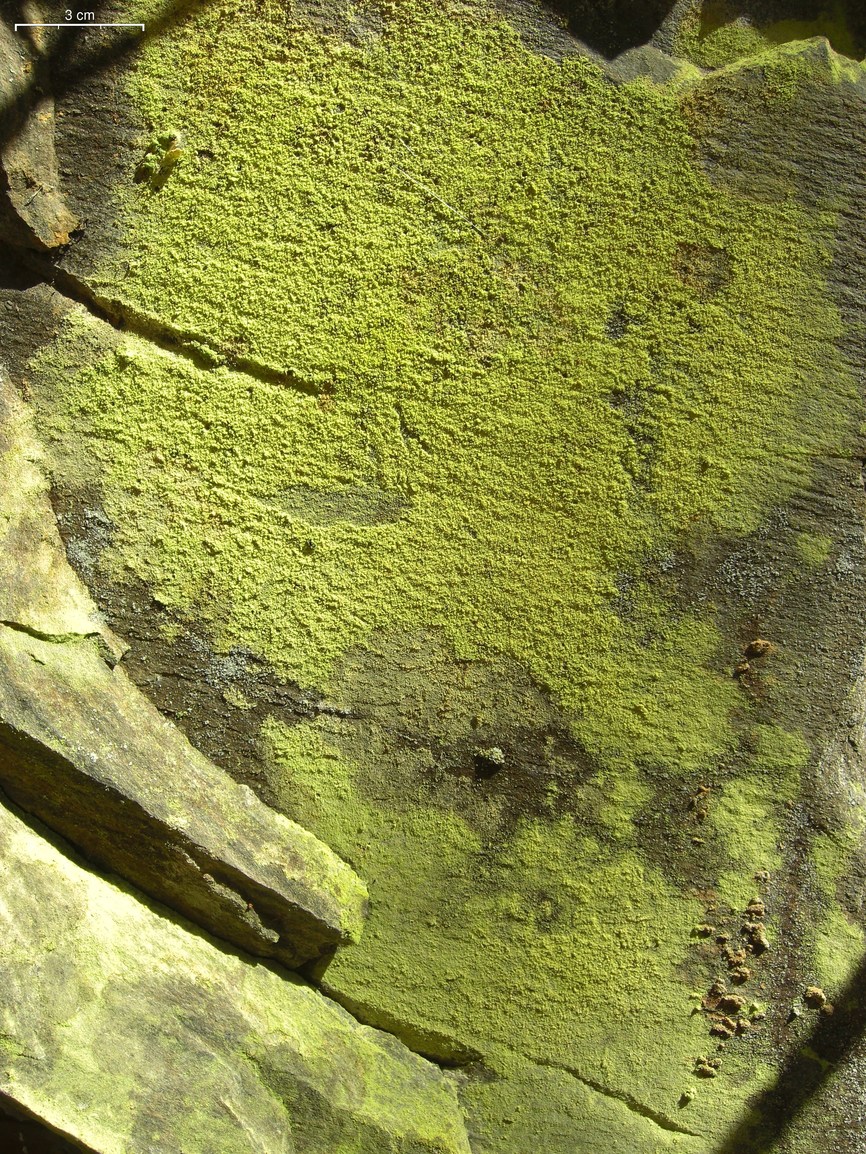
A yellow to yellow-green powdery lichen used as a dye in India and SwedenColour named from nature · 🇸🇪 Sweden +5