Engineer's blue
A blue paste used to check how closely two surfaces fit together
No single value: Engineer's blue is a material, and its colour varies. The background shows its family, blue.
Engineer's blue is a thick blue paste made from Prussian blue pigment and grease. It is used to show where two metal surfaces touch, helping toolmakers and engineers achieve precise fits and flatness. The colour transfers only at points of contact, revealing high and low spots.
- Made by mixing Prussian blue pigment with grease
- Shows contact points between metal surfaces
- Popularised by Joseph Whitworth in the 1830s
- Essential for precision toolmaking
- Also called scraping blue or bluing
What colour is Engineer's blue?
Engineer's blue is a thick blue paste used to check how closely two surfaces fit together. It stands out for its strong colour and oily texture, which helps it transfer easily from one surface to another. Unlike paint, it does not dry quickly, so it can be used repeatedly during the fitting process. The blue marks only the points where two surfaces touch, making it easy to see where adjustments are needed.
Where does Engineer's blue come from?
The use of engineer's blue became widespread in the 1830s, thanks to Joseph Whitworth, who developed a method for making flat surfaces more accurate. Before this, similar techniques used polishing, but Whitworth's scraping method with blue paste gave better results. This improvement helped the development of precision instruments and accurate metalwork.
How is Engineer's blue made?
To make engineer's blue, Prussian blue pigment is mixed with a non-drying oily material such as grease. This combination creates a coloured paste that can be spread thinly onto a reference surface. When another surface is pressed against it, the blue transfers only where the two surfaces make contact, highlighting any unevenness.
Where Engineer's blue is used
Engineer's blue is mainly used in toolmaking and precision engineering. Toolmakers use it when fitting moulds, dies, and other parts that must match exactly. The blue is applied with a brush to one surface, and the other part is pressed against it. Where the blue transfers, the surfaces are in contact; where it does not, there are gaps. This process, called "blue matching," is a key step before tools are put into use.
Blue around the world
What the blue family means from country to country.
Lapis lazuli has been mined in the mountains of Badakhshan for more than six thousand years. Ground to powder it gave ultramarine, the costliest blue in European painting.
Royalty and powerSacred and holyAweSource: Lapis lazuliThe chadari is a full-length covering for women with a mesh panel over the eyes. In Kabul and the north it is most often a light blue.
Protection and healingSource: BurqaThe blue band of the flag stands for the wish of the Armenian people to live under peaceful skies. The red above it is for the highlands and the struggle to survive.
Politics and protestHopeSource: Flag of ArmeniaThe flag is sky blue, white and sky blue, created by Manuel Belgrano in 1812. National teams are called the Albiceleste, the white and sky blue.
Politics and protestPrideSource: Flag of ArgentinaBoca Juniors play in blue and gold. The club's story is that in 1907 it took the colours of the flag of the next ship into port, which was Swedish.
Festival and celebrationPrideSource: Boca JuniorsTo be true blue is to be honestly and loyally Australian. The phrase is older than the country, but Australians have made it their own.
Politics and protestTrustSource: True Blue (John Williamson song)Shades and relatives of Engineer's blue
Engineer's blue is sometimes called scraping blue or just bluing. Its main ingredient, Prussian blue, is also used in other contexts, but engineer's blue is distinct because it is mixed with grease to form a paste. There are other marking compounds for similar purposes, but engineer's blue is especially valued for its visibility and ease of use.
Questions people ask about Engineer's blue
What colour is engineer's blue?
Engineer's blue is a strong blue paste, made from Prussian blue pigment mixed with grease. Its vivid colour makes it easy to see where two surfaces touch.
Where does the name engineer's blue come from?
The name comes from its use in engineering, where it helps check how closely two surfaces fit together by marking contact points with blue.
How is engineer's blue made?
It is made by mixing Prussian blue pigment with a non-drying oily material, such as grease, to create a thick paste.
What is engineer's blue used for?
It is used in toolmaking and precision engineering to reveal where two surfaces are in contact, helping achieve accurate fits and flatness.
Who helped make engineer's blue widely used?
Joseph Whitworth popularised its use in the 1830s by developing a more accurate method for making flat surfaces.
Good reading and sources
The facts on this page come from the Wikipedia article "Engineer's blue", written by its contributors and used under the CC BY-SA 4.0 licence, and from its Wikidata record (CC0). everyrang rewrote the text in its own words, with AI assistance, and compares every page with the article to make sure no passage is copied. It may be reused under the same CC BY-SA 4.0 licence with a link back.
It may contain mistakes. The swatch is an approximation: named colours are not fixed standards, and every screen shows them a little differently. If something is wrong, tell us. Last refreshed 2026-10-03.
More of the blue family
All of blue
Blue
Lapis lazuli
A deep blue stone prized for jewellery and the source of ultramarine pigmentColour named from nature · 🇦🇫 Afghanistan +5

Blue
Azurite
A deep blue copper mineral once prized as a pigment and gemstonePigment · 🇫🇷 France +5
Blue
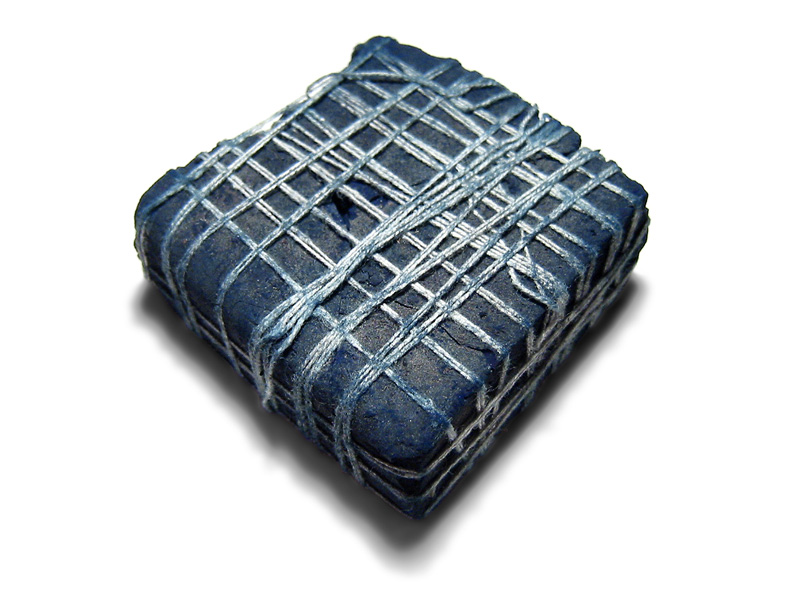
Indigo
A deep blue dye from plants, now mostly made synthetically and known for colouring denimDye · 🇮🇳 India +5
Blue
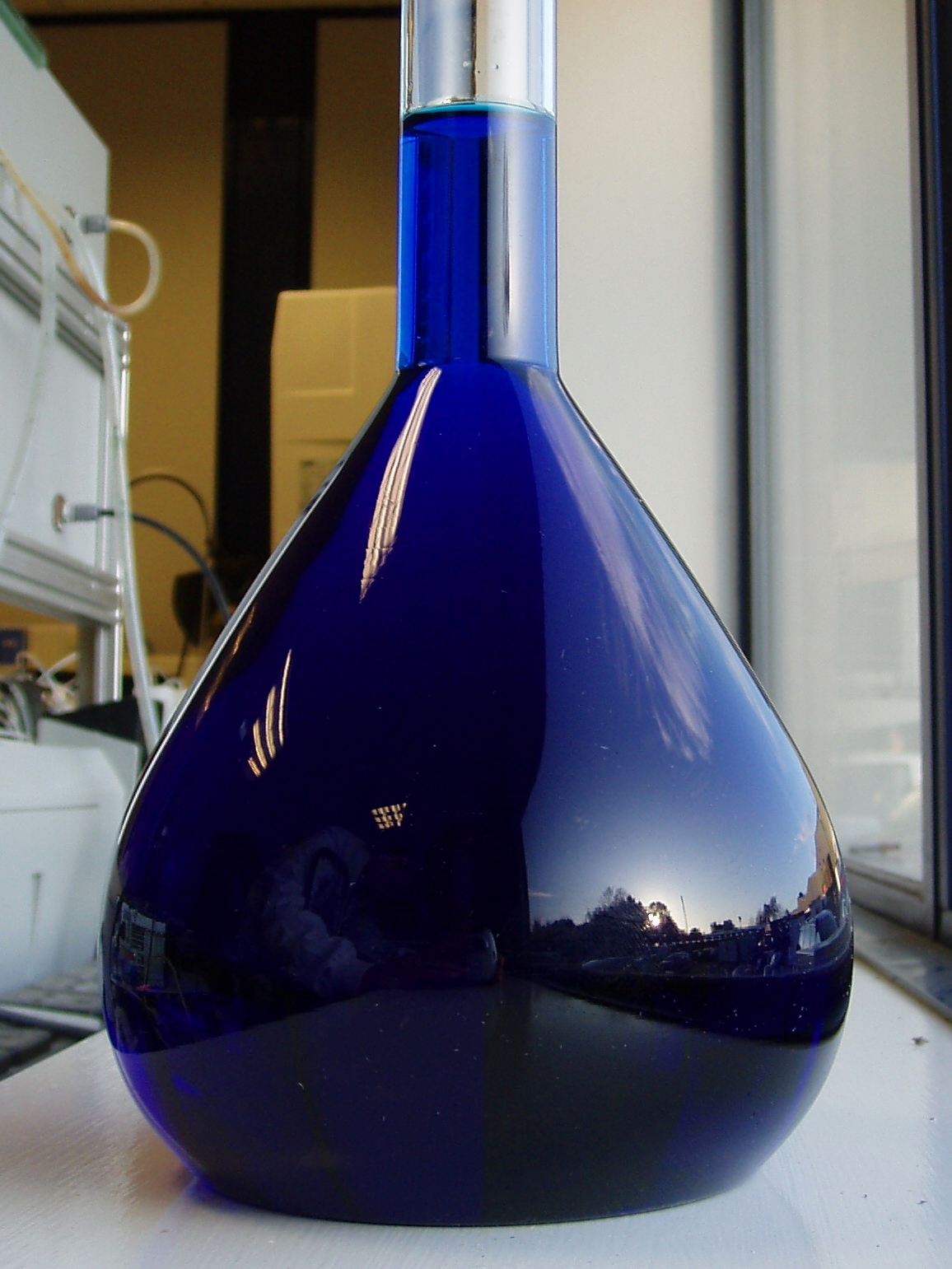
Methylene blue
A synthetic blue dye and medicine first made in 1876Dye
#120A8F
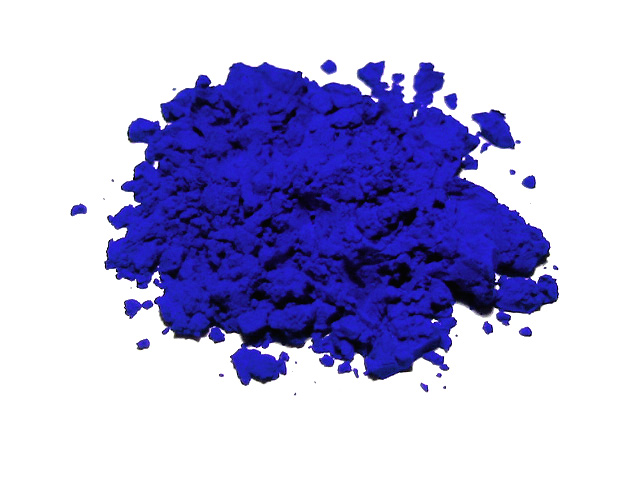
Ultramarine
A deep blue pigment once made from lapis lazuli, prized for centuries in artPigment · 🇦🇫 Afghanistan +2

#003153
Prussian blue
A deep blue pigment first made in Berlin in the early 1700sPigment · 🇯🇵 Japan
#0047AB
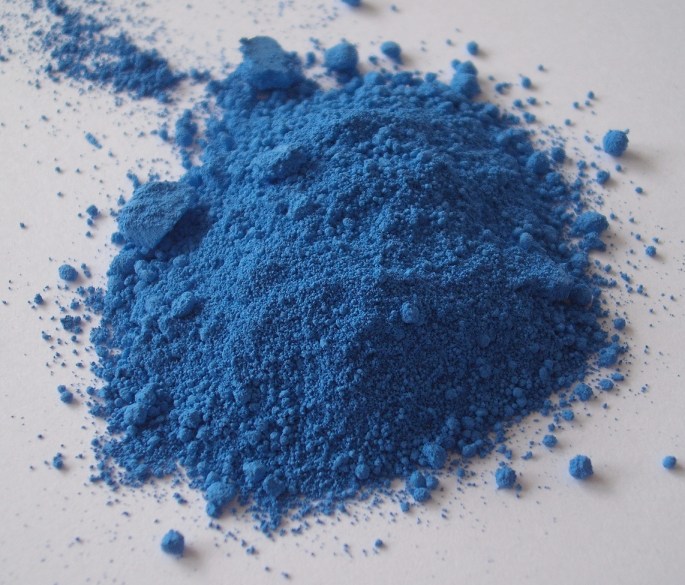
Cobalt blue
A strong, stable blue pigment made from cobalt and alumina since the early 1800sPigment · 🇫🇷 France +3

#1034A6
Egyptian blue
A vivid blue pigment first made in ancient Egypt from copper, lime, and sandPigment · 🇪🇬 Egypt +5