Azuline
A blue synthetic dye from coal tar, used for silk in the 1860s
No single value: Azuline is a material, and its colour varies. The background shows its family, blue.
Azuline is a blue dye first made from coal tar in 1861, mainly used to colour silk. Its name blends 'azure' and 'aniline'. Created in France, it was one of the earliest synthetic dyes but was soon replaced by aniline blue. As a solid, it looks metallic and coppery red, but in alcohol it shows a strong blue with a red tinge.
- One of the first synthetic blue dyes from coal tar
- Invented in Paris in 1861 by Jules Persoz
- Mainly used for colouring silk
- Replaced by aniline blue soon after
- Colourfast and resists fading by light
What colour is Azuline?
Azuline is a synthetic blue dye, first made from coal tar in the early 1860s. As a solid, it has a metallic look with a coppery red shade, but when dissolved in alcohol, it becomes a strong blue with a hint of red. It was mainly used to colour silk and was known for resisting fading from light. The dye is not easily dissolved in water, but dissolves well in alcohol.
Where does Azuline come from?
The name 'azuline' comes from combining 'azure', meaning blue, and 'aniline', a chemical used in dye-making. It was invented by Jules Persoz in Paris in 1861. The process was soon patented by a Lyon company, Guinon, Marnas & Bonnet. Azuline was introduced as a colour term around the same time as 'mauve' and 'magenta', but did not last in English.
How is Azuline made?
To make azuline, chemists started with phenol, which they oxidised using oxalic and sulfuric acids to create rosolic acid. Treating this with ammonia produced a red dye called coralline. When this was further reacted with aniline, it formed the blue dye azuline. The dye is colourfast and resists fading, but is destroyed by iodine and turns red in sulfuric acid.
Where Azuline is used
Azuline was mainly used to dye silk, becoming popular soon after its invention in 1861. It was sold commercially, especially in France, but its use was short-lived. The dye was soon replaced by aniline blue, which became more common in the textile industry.
Blue around the world
What the blue family means from country to country.
Lapis lazuli has been mined in the mountains of Badakhshan for more than six thousand years. Ground to powder it gave ultramarine, the costliest blue in European painting.
Royalty and powerSacred and holyAweSource: Lapis lazuliThe chadari is a full-length covering for women with a mesh panel over the eyes. In Kabul and the north it is most often a light blue.
Protection and healingSource: BurqaThe blue band of the flag stands for the wish of the Armenian people to live under peaceful skies. The red above it is for the highlands and the struggle to survive.
Politics and protestHopeSource: Flag of ArmeniaThe flag is sky blue, white and sky blue, created by Manuel Belgrano in 1812. National teams are called the Albiceleste, the white and sky blue.
Politics and protestPrideSource: Flag of ArgentinaBoca Juniors play in blue and gold. The club's story is that in 1907 it took the colours of the flag of the next ship into port, which was Swedish.
Festival and celebrationPrideSource: Boca JuniorsTo be true blue is to be honestly and loyally Australian. The phrase is older than the country, but Australians have made it their own.
Politics and protestTrustSource: True Blue (John Williamson song)Shades and relatives of Azuline
Azuline is sometimes called 'azurine'. It was one of several early synthetic dyes, introduced alongside mauve and magenta. Its use faded as newer dyes like aniline blue became available.
Questions people ask about Azuline
What colour is azuline?
Azuline is a blue dye with a strong blue colour in alcohol, often showing a red tinge. As a solid, it looks metallic and coppery red.
Where does the name azuline come from?
The name combines 'azure' (blue) and 'aniline' (a chemical used in dye-making).
How was azuline made?
Azuline was made by reacting phenol with acids to make rosolic acid, then treating it with ammonia and aniline.
What was azuline used for?
It was mainly used to dye silk fabrics in the early 1860s.
Why did azuline fall out of use?
Azuline was soon replaced by aniline blue, which became more popular and widely used.
Good reading and sources
The facts on this page come from the Wikipedia article "Azuline", written by its contributors and used under the CC BY-SA 4.0 licence, and from its Wikidata record (CC0). Rang rewrote the text in its own words, with AI assistance, and compares every page with the article to make sure no passage is copied. It may be reused under the same CC BY-SA 4.0 licence with a link back.
It may contain mistakes. The swatch is an approximation: named colours are not fixed standards, and every screen shows them a little differently. If something is wrong, tell us. Last refreshed 2026-10-03.
More of the blue family
All of blue
Blue
Woad
A blue dye once vital to Europe's textile trade, made from the leaves of a flowering plantDye · 🇫🇷 France +3
Blue
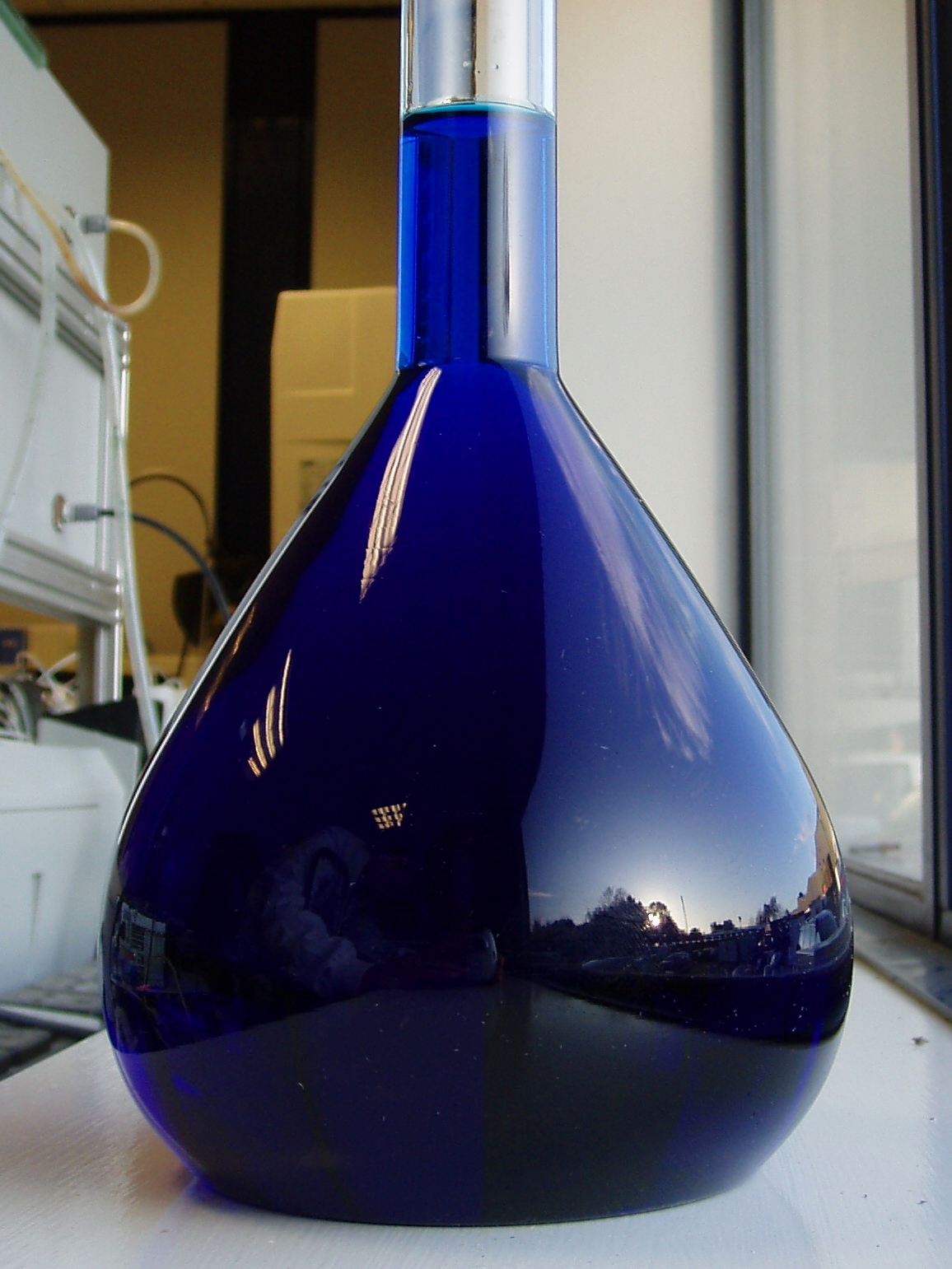
Methylene blue
A synthetic blue dye and medicine first made in 1876Dye
Blue
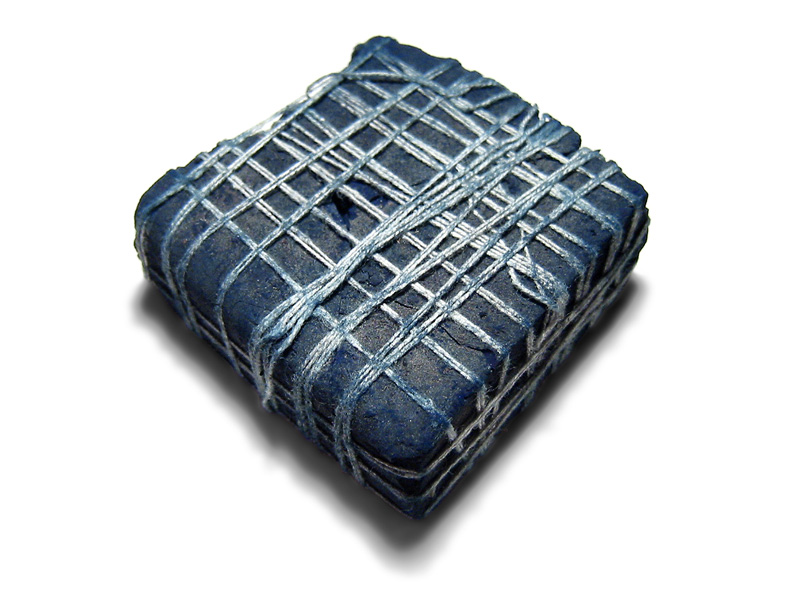
Indigo
A deep blue dye from plants, now mostly made synthetically and known for colouring denimDye · 🇮🇳 India +5

Blue
Haematoxylin
A natural dye from logwood, best known for staining cell nuclei in histologyDye · 🇵🇭 Philippines

Blue
Tekheletתְּכֵלֶת
A blue dye from sea snails, central to ancient Jewish ritual and traditionDye · 🇮🇱 Israel +2

#1C05B3
Trypan blue
A synthetic blue azo dye used to stain dead cells in science and medicineDye

Blue
Butterfly pea blue
A vivid blue from the butterfly pea flower, used in Asian food and drinkColour named from nature · 🇮🇩 Indonesia +5

Blue
Indigofera tinctoria
A shrub whose leaves yield natural indigo dyeColour named from nature · 🇮🇳 India +5