Persian green
A vivid bluish green seen in Iranian ceramics and religious buildings

Persian green is a strong bluish-green shade, linked to the look of malachite and traditional Iranian pottery. The name comes from its use in Iran’s ceramics and architecture, where green is valued for its ties to nature and sacredness. It first appeared as a colour name in English in 1891.
Share on WhatsAppOpen in the lab
- Seen in Iranian pottery and carpets
- Colour resembles malachite mineral
- Used in religious architecture in Iran
- First called Persian green in English in 1891
What colour is Persian green?
Persian green is a bright, bluish-green colour, similar to the mineral malachite. It stands out for its clarity and depth, and is often seen in Iranian pottery, carpets, and religious sites. This shade is distinct from other greens because of its strong blue undertone, giving it a cool, vivid appearance.
Where does Persian green come from?
The name Persian green comes from its frequent use in Iranian ceramics and buildings. Its tone reflects the colour of malachite, a green mineral. English speakers first used the term in 1891, inspired by the traditional architecture of Iran.
Where Persian green is used
This colour is found in the glazes of Iranian pottery, in woven carpets, and in the decoration of mosques and other religious buildings. Its presence in these crafts and structures is a mark of Iranian heritage, where it is chosen for both its beauty and its meaning.
What Persian green means
In Iran, green is a symbol of gardens, the natural world, paradise, and holiness. Persian green, in particular, is chosen for places and objects that carry spiritual or cultural weight, reflecting these associations.
Green around the world
What the green family means from country to country.
The flag is green, white and red. The green is linked with Islam, and the phrase Allahu Akbar is written in white along the edges of the green and red bands.
Sacred and holyPolitics and protestSource: Flag of IranIn the disputed 2009 election, supporters of Mir-Hossein Mousavi wore green wristbands and scarves. The protests that followed are known as the Green Movement.
Politics and protestHopeSource: Iranian Green MovementFor Nowruz, the new year at the spring equinox, families grow a dish of green sprouts called sabzeh for the haft-sin table. It stands for rebirth.
Nature and renewalFestival and celebrationHopeSource: Haft-sinA green kerchief is the sign of the campaign for legal abortion. Huge crowds wore it in 2018, and the movement was called the green wave.
Politics and protestHopeSource: Green scarfGreen and gold have been the official national colours since 1984 and are worn by national sports teams. They echo the leaves and flowers of the golden wattle.
Festival and celebrationPrideSource: National colours of AustraliaA Test cricketer is given a dark green cap, the baggy green, on first playing for Australia. Many players wear the same faded cap for a whole career.
Festival and celebrationPrideSource: Baggy greenShades and relatives of Persian green
Other colours linked to Persian tradition include shades named after pink, rose, orange, red, and blue. Persian green is sometimes confused with other bluish-greens, but its connection to malachite and Iranian art sets it apart.
Colours that go with Persian green
Harmonies are worked out from the value #00A693. Contrast ratios follow the WCAG 2 formula.
Questions people ask about Persian green
What colour is Persian green?
Persian green is a vivid bluish-green, similar to the colour of malachite, a green mineral.
Where does the name Persian green come from?
The name refers to its use in Iranian pottery and architecture, and its resemblance to malachite.
What is Persian green used for?
It appears in Iranian ceramics, carpets, and religious buildings, chosen for both its look and meaning.
What does Persian green represent in Iran?
In Iran, green stands for gardens, nature, heaven, and sacredness, making Persian green a meaningful choice.
Good reading and sources
The facts on this page come from the Wikipedia article "Persian green", written by its contributors and used under the CC BY-SA 4.0 licence, and from its Wikidata record (CC0). Rang rewrote the text in its own words, with AI assistance, and compares every page with the article to make sure no passage is copied. It may be reused under the same CC BY-SA 4.0 licence with a link back.
It may contain mistakes. The swatch is an approximation: named colours are not fixed standards, and every screen shows them a little differently. If something is wrong, tell us. Last refreshed 2026-10-03.
More of the green family
All of green
Green
Malachite
A banded green mineral and pigment once prized for art and decorationColour named from nature · 🇪🇬 Egypt +4

#808000
Olive
A dark yellowish green, like the colour of unripe olivesNamed shade
#50C878
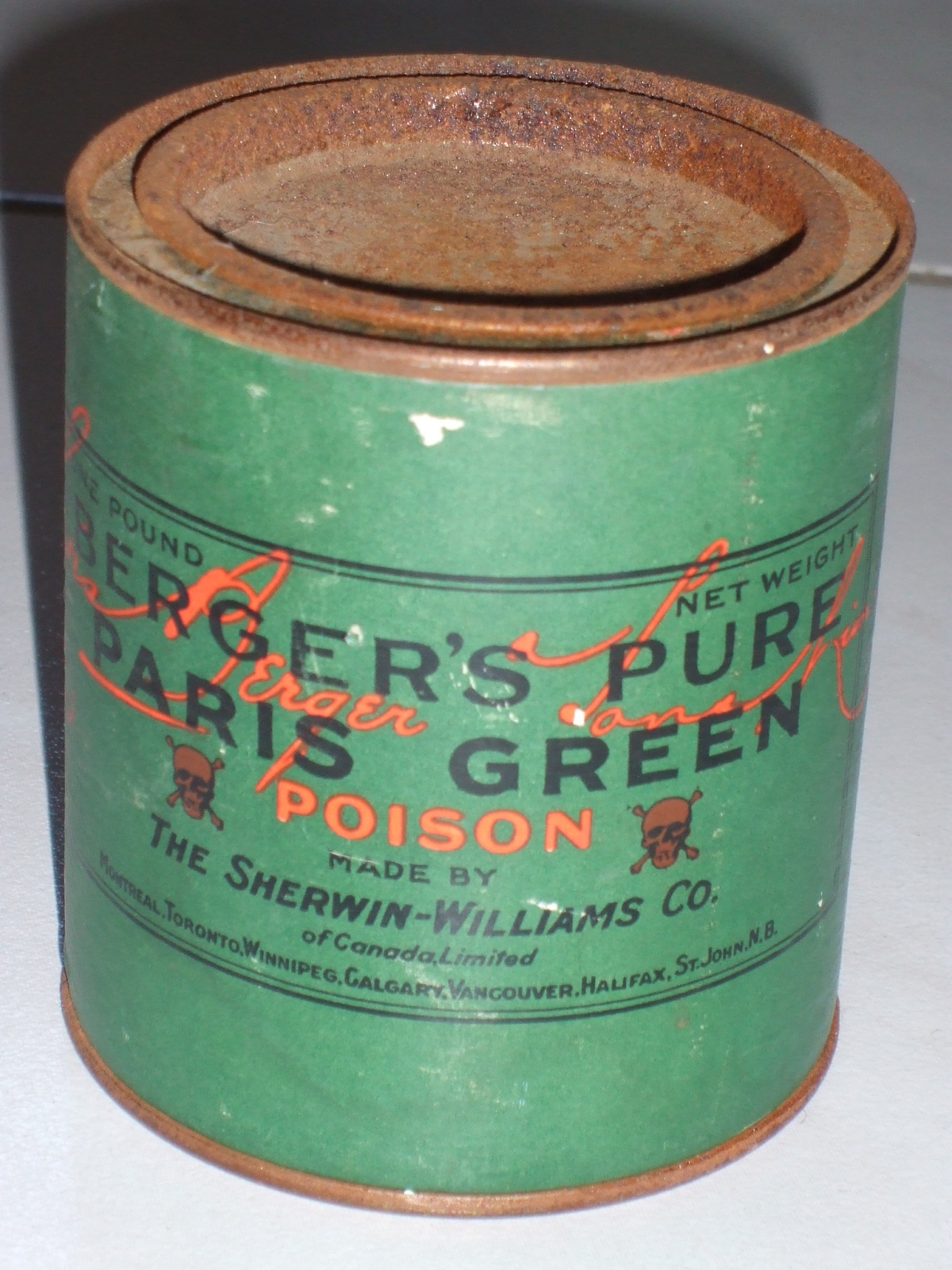
Paris Green
A toxic emerald-green pigment once prized in art and used as an early insecticidePigment · 🇩🇪 Germany +4

#BFFF00
Lime
A sharp yellow-green named for the skin of the lime fruitNamed shade

#80FF00
Chartreuse
A bright yellow-green named after a French liqueurNamed shade

#43B3AE
Verdigris
A historic bluish-green pigment formed on copper and used in art since antiquityPigment · 🇬🇷 Greece +1

Green
Celadon青瓷
A jade-green ceramic glaze prized in East Asian pottery for centuriesNamed shade · 🇨🇳 China +4

Green
Scheele's green
A yellowish-green pigment once prized for its brilliance, now infamous for its toxicityPigment
More colours tied to Iran
The colours of Iran
#FFFF00
Yellow
A primary colour between green and orange, seen in sunlight, leaves, and pigmentsBasic colour · 🇫🇷 France +5
Blue
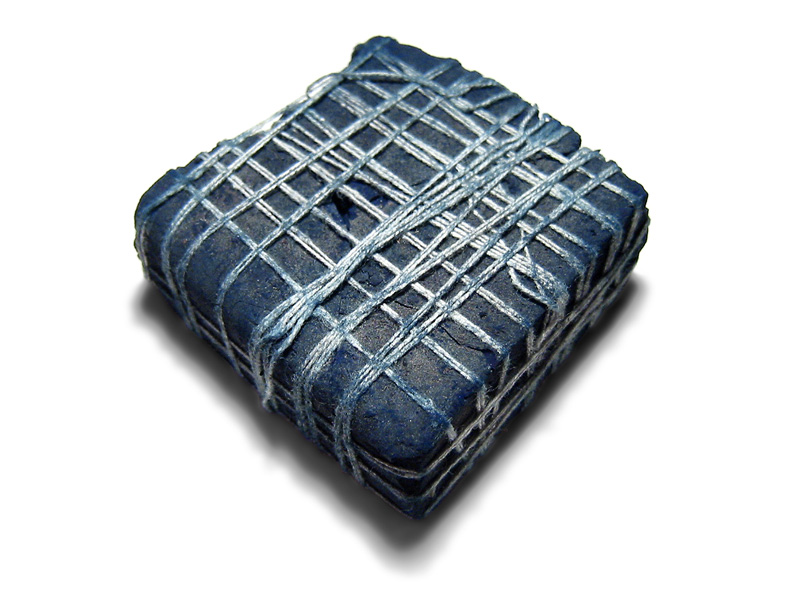
Indigo
A deep blue dye from plants, now mostly made synthetically and known for colouring denimDye · 🇮🇳 India +5

#40E0D0
Turquoise
A blue-green colour named after a prized mineral long used for gems and decorationNamed shade · 🇮🇷 Iran +5
Red
Carmine
A deep red pigment made from cochineal insects, once prized across continentsPigment · 🇫🇷 France +2