Ferroverdin
A green pigment formed by certain Streptomyces bacteria
No single value: Ferroverdin is a material, and its colour varies. The background shows its family, green.
Ferroverdin is a green pigment made by some Streptomyces bacteria, consisting of three related iron-based compounds. It is notable as a stable ferrous complex found in nature, with three forms (A, B, and C) that differ in their chemical groups attached to the molecule.
- Ferroverdin is a green pigment from Streptomyces bacteria.
- It contains iron in the ferrous (Fe2+) state.
- Three forms exist: A, B, and C, each with slight chemical differences.
- It is highly stable and resists most chemical breakdown.
- Ferroverdin may help bacteria handle iron, but its exact role is unclear.
What colour is Ferroverdin?
Ferroverdin is a green pigment that appears in the mycelium of certain Streptomyces bacteria. It is made up of three closely related iron-containing compounds, each with a slightly different chemical structure. The pigment stands out because it is a rare example of a stable compound containing ferrous iron (Fe2+) found in nature. Its green colour is due to the way the iron interacts with its organic ligands.
Where does Ferroverdin come from?
The name 'ferroverdin' comes from its iron content ('ferro') and its green colour ('verdin'). Researchers first recognised and separated these compounds in the mid-20th century while studying bacterial pigments. The three types, A, B, and C, are distinguished by the groups attached to their molecular structure. The pigment is produced naturally by Streptomyces species, a group of soil-dwelling bacteria.
How is Ferroverdin made?
Ferroverdin forms when Streptomyces bacteria produce three molecules called p-vinylphenyl-3-nitroso-4-hydroxybenzoate, which then bind to a ferrous ion (Fe2+). The resulting complex is highly stable and resists breakdown by most chemicals except for strong reducing agents. The pigment appears most strongly when the bacteria grow in a medium containing a moderate amount of iron salts.
Green around the world
What the green family means from country to country.
A green kerchief is the sign of the campaign for legal abortion. Huge crowds wore it in 2018, and the movement was called the green wave.
Politics and protestHopeSource: Green scarfGreen and gold have been the official national colours since 1984 and are worn by national sports teams. They echo the leaves and flowers of the golden wattle.
Festival and celebrationPrideSource: National colours of AustraliaA Test cricketer is given a dark green cap, the baggy green, on first playing for Australia. Many players wear the same faded cap for a whole career.
Festival and celebrationPrideSource: Baggy greenThe green field of the flag stands for the land and its rice fields. Many people also read it as the youth and vigour of the country.
Nature and renewalPolitics and protestHopeSource: Flag of BangladeshThe flag is white, green and red. The green band, which took the place of the blue in the Russian flag, is read as the country's forests and farmland.
Politics and protestNature and renewalSource: Flag of BulgariaThe green field of the flag is commonly said to stand for the forests. It was first the colour of the House of Braganza, the family of the first emperor.
Politics and protestNature and renewalPrideSource: Flag of BrazilShades and relatives of Ferroverdin
There are three main forms of ferroverdin: A, B, and C. They differ in the chemical groups attached to the vinyl part of the molecule—hydrogen, hydroxyl, or carboxyl. All three share a similar structure and green colour, but their minor differences affect their chemical behaviour.
Questions people ask about Ferroverdin
What colour is ferroverdin?
Ferroverdin is green, produced by certain Streptomyces bacteria as a pigment in their mycelium.
Where does the name 'ferroverdin' come from?
The name combines 'ferro' for iron and 'verdin' for green, reflecting its iron content and colour.
What is ferroverdin made of?
It is a complex of three p-vinylphenyl-3-nitroso-4-hydroxybenzoate molecules bound to a ferrous ion (Fe2+).
How many types of ferroverdin are there?
There are three types: A, B, and C, which differ in the groups attached to their structure.
Is ferroverdin used for anything?
The sources do not mention any practical uses for ferroverdin outside of its biological role.
Good reading and sources
The facts on this page come from the Wikipedia article "Ferroverdin", written by its contributors and used under the CC BY-SA 4.0 licence, and from its Wikidata record (CC0). Rang rewrote the text in its own words, with AI assistance, and compares every page with the article to make sure no passage is copied. It may be reused under the same CC BY-SA 4.0 licence with a link back.
It may contain mistakes. The swatch is an approximation: named colours are not fixed standards, and every screen shows them a little differently. If something is wrong, tell us. Last refreshed 2026-10-03.
More of the green family
All of green
Green
Malachite
A banded green mineral and pigment once prized for art and decorationColour named from nature · 🇪🇬 Egypt +4
#50C878
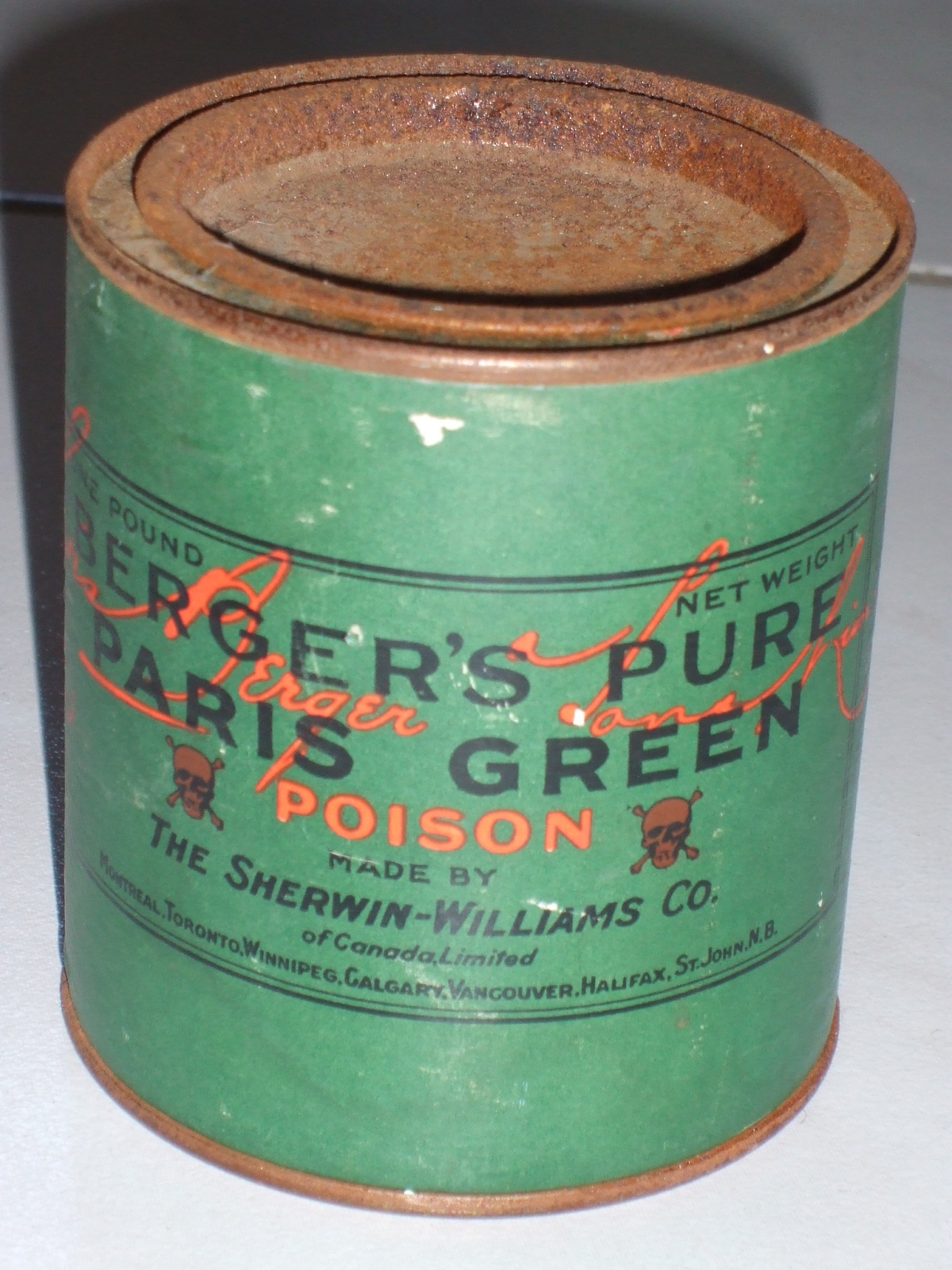
Paris Green
A toxic emerald-green pigment once prized in art and used as an early insecticidePigment · 🇩🇪 Germany +4
Green
Malachite green
A synthetic green dye once common for silk, now controversial in aquacultureDye · 🇨🇳 China +3

#43B3AE
Verdigris
A historic bluish-green pigment formed on copper and used in art since antiquityPigment · 🇬🇷 Greece +1

Green
Scheele's green
A yellowish-green pigment once prized for its brilliance, now infamous for its toxicityPigment

#40826D
Viridian
A blue-green pigment made from hydrated chromium oxide, valued in painting since the 1800sPigment

Green
Jade
A decorative stone prized for its green shades and cultural meaning across continentsColour named from nature · 🇨🇳 China +5
Green
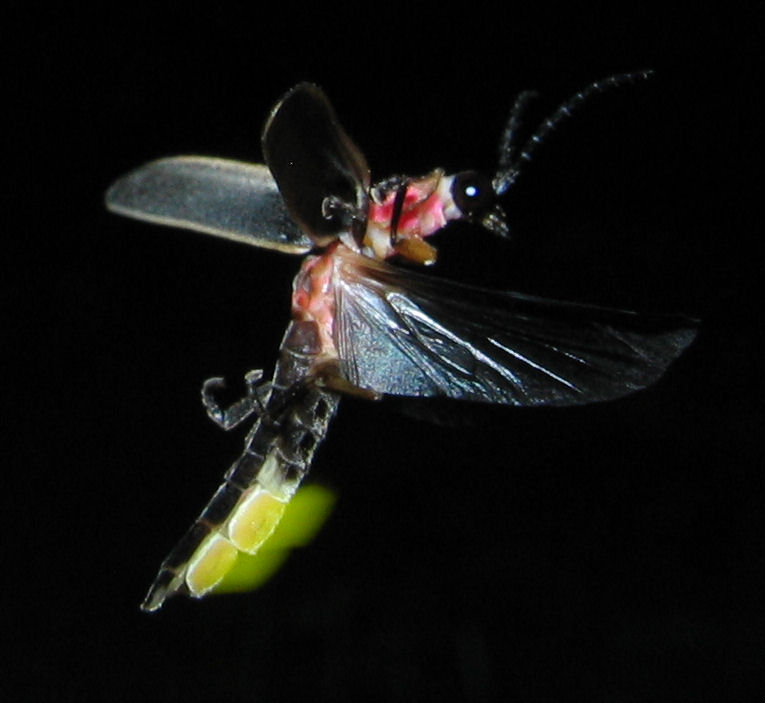
Bioluminescence
Light produced by living things through a chemical reactionColour named from nature