Phlobaphene
A group of reddish, water-insoluble plant pigments found in bark and seeds
No single value: Phlobaphene is a material, and its colour varies. The background shows its family, red.
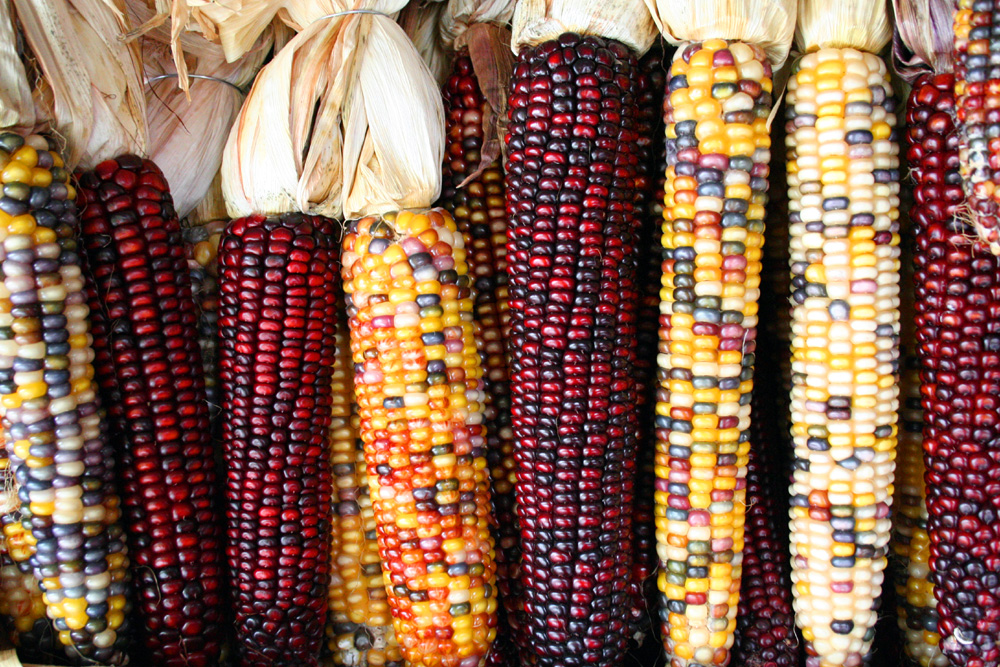
Phlobaphenes are reddish pigments that do not dissolve in water but do in alcohol. They form naturally in the bark, seeds, and skins of many plants, or can be made by treating tannin extracts with acids. Their name comes from Greek words for bark and dye. They are found in oak, redwood, maize, and cocoa, and are used in leather tanning.
- Phlobaphenes are reddish pigments found in bark, seeds, and fruit skins.
- They are insoluble in water but dissolve in alcohol.
- Used in leather tanning to improve water resistance.
- Found in foods like chocolate, kola nuts, and peanuts.
- Name comes from Greek for 'bark' and 'dye'.
What colour is Phlobaphene?
Phlobaphene is a reddish pigment found in many plants, especially in bark, seed coats, and fruit skins. It does not dissolve in water but can be extracted with alcohol. Unlike many other plant pigments, it is not present in flowers and is mainly found in protective tissues like bark and seeds. Its deep red to brown colour sets it apart from other plant reds, which are often more soluble or found in petals.
Where does Phlobaphene come from?
The word phlobaphene comes from Greek roots meaning 'bark' and 'dye', reflecting its common presence in tree bark and its use as a colouring substance. Phlobaphenes can form naturally in plants or be produced by treating plant tannins with acids. They have been known for their role in tanning and colouring since at least the time when plant extracts were first used for leather processing.
How is Phlobaphene made?
Phlobaphenes form in plants as a result of the oxidation or condensation of tannins, especially in bark, seeds, and fruit skins. They can also be made by treating tannin-rich plant extracts with mineral acids, which causes the tannins to condense into these reddish, alcohol-soluble polymers. In industry, they are found in extracts from woods like quebracho and are used in hot leather tanning processes.


Where Phlobaphene is used
Phlobaphenes are most often used in the tanning of leather, where their water-insoluble nature helps improve the durability and water resistance of the finished product. They are also present in foods such as chocolate, kola nuts, and peanuts, where they contribute to the red colour of skins and shells. In plants, they serve as natural pigments, especially in bark and seed coats.
Red around the world
What the red family means from country to country.
The flag uses the four Pan-Arab colours: a red bar at the hoist with green, white and black bands. It was designed by a young Emirati, Abdullah Al Maainah, in 1971.
Politics and protestPrideSource: Flag of the United Arab EmiratesThe flag is a black double-headed eagle on red, the banner of the fifteenth-century hero Skanderbeg. Fans chant Kuq e Zi, red and black.
Politics and protestPrideSource: Flag of AlbaniaArmenian scribes painted manuscripts with vordan karmir, a crimson dye made from an insect that lives on the roots of grasses in the Ararat plain.
Sacred and holySource: Armenian cochinealUnder Juan Manuel de Rosas in the 1830s and 1840s, everyone had to wear a scarlet ribbon to show loyalty to his Federalist party. His enemies, the Unitarians, were tied to sky blue.
Politics and protestFearSource: Juan Manuel de RosasThe flag is red, white and red. Legend says Duke Leopold V's white tunic was soaked in blood at the siege of Acre, all but the band under his belt.
Politics and protestCourageSource: Flag of AustriaRed ochre is used in Aboriginal rock art and ceremony, and is traded over long distances. In the Aboriginal flag the red half stands for the earth and for that ochre.
Sacred and holyNature and renewalAweSource: Australian Aboriginal flagShades and relatives of Phlobaphene
Phlobaphenes are known by several names depending on their plant source, such as oak-red, kino red, or cocoa red. They are sometimes confused with other plant reds like anthocyanins, but phlobaphenes are less soluble and found in different plant tissues. Their colour can range from deep red to brown depending on the source and method of extraction.
Questions people ask about Phlobaphene
What colour is phlobaphene?
Phlobaphene is a reddish pigment, sometimes appearing brownish, found in the bark, seeds, and skins of many plants.
Where does the name phlobaphene come from?
The name comes from the Greek words for 'bark' (phloios) and 'dye' (baphe), reflecting its origin and use.
How is phlobaphene made?
It forms naturally in plants from tannins, or can be produced by treating tannin extracts with acids, causing them to condense into reddish, alcohol-soluble substances.
What is phlobaphene used for?
Phlobaphene is mainly used in the tanning of leather to improve water resistance, and is also present in some foods, giving colour to chocolate, kola nuts, and peanuts.
Is phlobaphene found in all plants?
No, it is common in bark, seeds, and fruit skins of many plants, but is not found in flowers or in some model plants like Arabidopsis thaliana.
Good reading and sources
The facts on this page come from the Wikipedia article "Phlobaphene", written by its contributors and used under the CC BY-SA 4.0 licence, and from its Wikidata record (CC0). Rang rewrote the text in its own words, with AI assistance, and compares every page with the article to make sure no passage is copied. It may be reused under the same CC BY-SA 4.0 licence with a link back.
It may contain mistakes. The swatch is an approximation: named colours are not fixed standards, and every screen shows them a little differently. If something is wrong, tell us. Last refreshed 2026-10-03.
More of the red family
All of red
Red
Cinnabar
A scarlet to brick-red mineral and the main source of mercury and vermilion pigmentColour named from nature · 🇪🇸 Spain +5

Red
Realgar
An orange-red arsenic sulfide mineral once used as a pigment and poisonPigment · 🇨🇳 China +5

#E25822
Scarlet
A bright red with a touch of orange, long tied to power, sacrifice and sinNamed shade · 🇹🇷 Turkey +4
Red
Carmine
A deep red pigment made from cochineal insects, once prized across continentsPigment · 🇫🇷 France +2

#E34234
Vermilion
A brilliant orange-red pigment, once made from toxic mercury orePigment · 🇹🇷 Turkey +5

Red
Rubia
A group of plants whose roots once dyed cloth and paint a lasting redColour named from nature · 🇪🇬 Egypt +5

#E32636
Alizarin
A deep red dye first made from madder roots, later produced from coal tarDye · 🇹🇷 Turkey +1

#801818
Falu redfalu rödfärg
A deep red paint pigment from the Falun copper mine, used on wooden houses in SwedenPigment · 🇸🇪 Sweden +2