Light skin
A human skin colour with low eumelanin, common in regions with low sunlight
No single value: Light skin is a material, and its colour varies. The background shows its family, white.
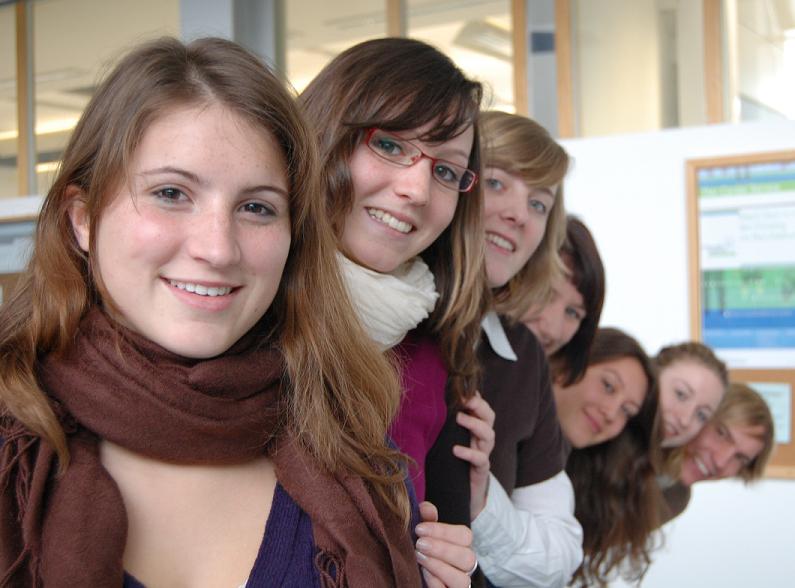
Light skin is a human skin colour marked by low levels of eumelanin, usually found in populations from areas with low ultraviolet radiation. It evolved independently in different parts of Eurasia and is linked to specific genetic changes that help the body absorb more sunlight for vitamin D production.
- Light skin evolved as an adaptation to low UV radiation.
- It is linked to low levels of eumelanin pigment.
- Key genetic changes for light skin appeared in West Asia over 20,000 years ago.
- Light skin helps the body make vitamin D in low sunlight.
- Different genes cause light skin in West Eurasians and East Asians.
What colour is Light skin?
Light skin is a human skin colour with a low amount of eumelanin, the pigment that gives skin its darker shades. People with light skin have fewer melanosomes, which are the structures in skin cells that hold pigment. This colour is most common in populations from Europe, North Africa, West, Central and East Asia, and parts of the Indian subcontinent. Light skin is not a single shade but covers a range from pale white to intermediate tones.
Where does Light skin come from?
The evolution of light skin is linked to migration into regions with less sunlight. As humans moved away from the tropics, lighter skin helped the body make more vitamin D in low UV conditions. Genetic studies show that key changes in the SLC24A5 and SLC45A2 genes, which lighten skin, appeared in West Asia between 22,000 and 29,000 years ago and spread with farming populations into Europe, North Africa and parts of Asia. In East Asia, a different gene, MFSD12, is linked to lighter skin.


White around the world
What the white family means from country to country.
The Taliban flag is white with the Muslim declaration of faith in black. It replaced the black, red and green tricolour of the republic in 2021.
Politics and protestSacred and holySource: Flag of AfghanistanThe Mothers of the Plaza de Mayo wore white headscarves as they marched to demand news of children who disappeared under the dictatorship of 1976 to 1983.
Politics and protestMourning and deathCourageSource: Mothers of Plaza de MayoThe wiphala, a square flag of 49 small squares in seven colours with a white diagonal, stands for the Andean peoples. It has been a second national flag since 2009.
Politics and protestPrideSource: WiphalaOn New Year's Eve crowds on the beaches dress in white for peace in the year ahead. The custom comes from the Afro-Brazilian religions, whose followers wear white.
Luck and prosperityFestival and celebrationSacred and holyHopeSource: New Year's EveAn ordinary citizen's kabney is white with fringes. It must be worn to enter a dzong, the fortress that houses both monks and government offices.
Purity and peaceSource: KabneyA red cross on white, the Swiss flag reversed, marks medical staff and aid workers in war and must not be attacked under the Geneva Conventions.
Protection and healingTrustSource: Emblems of the International Red Cross and Red Crescent MovementShades and relatives of Light skin
Light skin includes a range of tones, from very pale to intermediate shades. In some regions, such as Southern Europe, West Asia and North Africa, intermediate skin tones are common, while Northern Europe is known for paler skin. Light skin is sometimes confused with 'white' as a racial term, but official categories in most countries are based on ethnicity or nationality, not skin tone.
Questions people ask about Light skin
What is light skin?
Light skin is a human skin colour with low levels of eumelanin pigment, most often found in people from regions with low ultraviolet radiation.
Where does the name 'light skin' come from?
The term 'light skin' describes skin with less pigment, making it appear pale or fair compared to darker skin tones.
Why did light skin evolve?
Light skin evolved as an adaptation to environments with less sunlight, allowing people to produce more vitamin D from limited ultraviolet radiation.
Is light skin the same everywhere?
No, light skin covers a range of shades and evolved through different genetic changes in West Eurasia and East Asia.
What genes are linked to light skin?
In West Eurasians, the SLC24A5 and SLC45A2 genes are most associated with light skin, while in East Asians, the MFSD12 gene plays a key role.
Good reading and sources
The facts on this page come from the Wikipedia article "Light skin", written by its contributors and used under the CC BY-SA 4.0 licence, and from its Wikidata record (CC0). Rang rewrote the text in its own words, with AI assistance, and compares every page with the article to make sure no passage is copied. It may be reused under the same CC BY-SA 4.0 licence with a link back.
It may contain mistakes. The swatch is an approximation: named colours are not fixed standards, and every screen shows them a little differently. If something is wrong, tell us. Last refreshed 2026-10-03.
More of the white family
All of white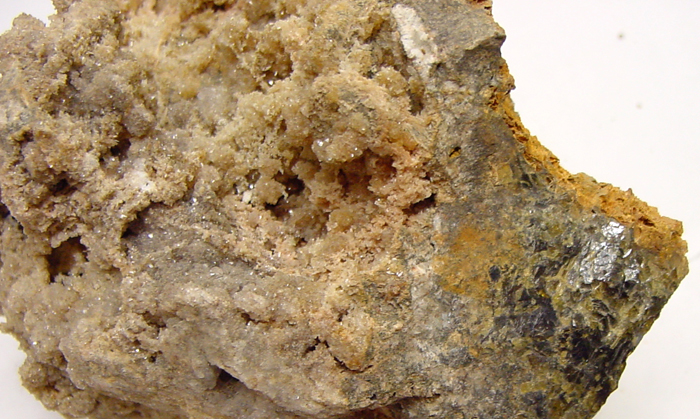
White
Zinc oxide
A white inorganic powder used in pigments, ointments, ceramics and electronicsPigment · 🇮🇳 India +2
#FFFFF0
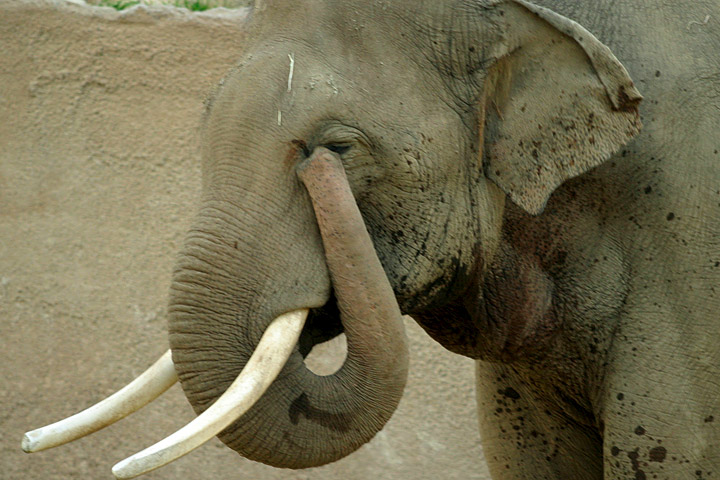
Ivory
A soft off-white shade with a hint of yellow, named after animal tusksNamed shade

#FDF8FF
Zinc white
A cool, low-toxicity white pigment made from zinc oxidePigment

White
Lead white
A dense, opaque white pigment once used in art, home, and cosmetics worldwidePigment · 🇨🇳 China +2

White
Barium sulfate
A dense, white mineral used in pigments, X-rays, and industryPigment
White
Antimony trioxide
A white antimony compound used in flame retardants and glassmakingPigment · 🇨🇳 China +4

White
White lead
A historic opaque white pigment once made from lead and vinegarPigment

White
White hair
Hair that has lost its pigment and appears white or grey with age or other causesNamed shade