Ivory
A soft off-white shade with a hint of yellow, named after animal tusks
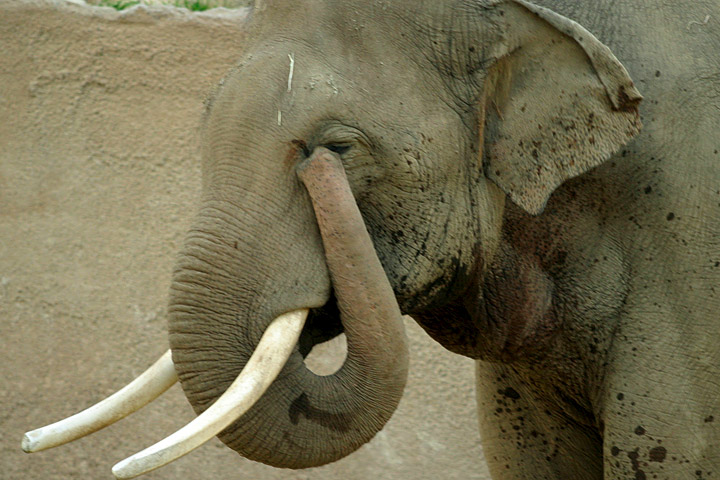
Ivory is a pale off-white colour with a slight yellow tint, named after the material from animal tusks and teeth. Known for its links to purity and elegance, it has been used in both Western weddings and Eastern religious art, and was first recorded as a colour name in English in 1385.
Share on WhatsAppOpen in the lab
- Ivory is an off-white with a hint of yellow.
- Named after animal tusks and teeth, especially elephant and walrus.
- First recorded as a colour name in English in 1385.
- Used in Western weddings and Eastern religious art.
- Added to the X11 web colour list in 1987.
What colour is Ivory?
Ivory is a gentle off-white colour with a faint yellowish cast. Its name comes from the hard, creamy-white material found in the tusks and teeth of animals like elephants and walruses. Ivory stands apart from pure white by its subtle warmth, making it softer and less stark than bright white shades.
Where does Ivory come from?
The name 'ivory' comes from the material sourced from animal tusks and teeth, especially those of elephants and walruses. The word was first used to describe this colour in English in 1385. Over time, the colour became known on its own, separate from the material, and was later included in the X11 web colour list in 1987.
How Ivory is defined
Ivory as a colour is now defined digitally, with the web colour code #FFFFF0. In the past, the material ivory itself was used for carvings and objects, but the colour today is created by mixing white with a touch of yellow. The use of real ivory has declined due to legal restrictions and ethical concerns.


Where Ivory is used
Ivory is seen in art, ceramics, and body decoration, often chosen for its understated elegance. In Western countries, it is a common colour for wedding dresses and formal events. In parts of Asia, ivory-coloured objects have been used for religious statues and decorative items, though the use of real ivory is now restricted.
What Ivory means
Ivory is associated with purity and elegance, especially in Western traditions where it is linked to weddings and formal occasions. In Eastern cultures, ivory-coloured artefacts have been valued in religious and decorative contexts. The meaning of the colour often draws on the qualities of the original material.
White around the world
What the white family means from country to country.
The Taliban flag is white with the Muslim declaration of faith in black. It replaced the black, red and green tricolour of the republic in 2021.
Politics and protestSacred and holySource: Flag of AfghanistanThe Mothers of the Plaza de Mayo wore white headscarves as they marched to demand news of children who disappeared under the dictatorship of 1976 to 1983.
Politics and protestMourning and deathCourageSource: Mothers of Plaza de MayoThe wiphala, a square flag of 49 small squares in seven colours with a white diagonal, stands for the Andean peoples. It has been a second national flag since 2009.
Politics and protestPrideSource: WiphalaOn New Year's Eve crowds on the beaches dress in white for peace in the year ahead. The custom comes from the Afro-Brazilian religions, whose followers wear white.
Luck and prosperityFestival and celebrationSacred and holyHopeSource: New Year's EveAn ordinary citizen's kabney is white with fringes. It must be worn to enter a dzong, the fortress that houses both monks and government offices.
Purity and peaceSource: KabneyA red cross on white, the Swiss flag reversed, marks medical staff and aid workers in war and must not be attacked under the Geneva Conventions.
Protection and healingTrustSource: Emblems of the International Red Cross and Red Crescent MovementShades and relatives of Ivory
Ivory is sometimes confused with other off-white shades, but it is set apart by its slight yellow tint. Related colours include pale yellow and cream. The term 'ivory' is also used to describe the colour of certain orchids and birds, highlighting its gentle, natural tone.
Colours that go with Ivory
Harmonies are worked out from the value #FFFFF0. Contrast ratios follow the WCAG 2 formula.
Questions people ask about Ivory
What colour is ivory?
Ivory is an off-white shade with a slight yellow tint, making it warmer than pure white.
Where does the name 'ivory' come from?
The name comes from the material made from animal tusks and teeth, such as those of elephants and walruses.
What is ivory associated with?
Ivory is linked to purity and elegance, and in Western culture is often used for weddings and formal events.
When was ivory first used as a colour name?
The first recorded use of 'ivory' as a colour name in English was in 1385.
Is real ivory still used for objects?
The use of real ivory has declined and is now outlawed in much of the world due to ethical and legal concerns.
Good reading and sources
- Ivory (color) on WikipediaEncyclopedia
- More pictures on Wikimedia CommonsPictures
- Wikidata recordOpen data
The facts on this page come from the Wikipedia article "Ivory (color)", written by its contributors and used under the CC BY-SA 4.0 licence, and from its Wikidata record (CC0). Rang rewrote the text in its own words, with AI assistance, and compares every page with the article to make sure no passage is copied. It may be reused under the same CC BY-SA 4.0 licence with a link back.
It may contain mistakes. The swatch is an approximation: named colours are not fixed standards, and every screen shows them a little differently. If something is wrong, tell us. Last refreshed 2026-10-03.
More of the white family
All of white
White
White hair
Hair that has lost its pigment and appears white or grey with age or other causesNamed shade
#FFF8E7
Cosmic latte
A pale beige shade found by averaging the light of over 200,000 galaxiesNamed shade

White
White horse
A horse born with white hair and mostly pink skin, rare and distinct from grey horsesNamed shade

White
Leopard complex
A group of horse coat patterns with spots and white areas, controlled by the Lp geneNamed shade

White
Light skin
A human skin colour with low eumelanin, common in regions with low sunlightNamed shade

White
Dominant white
A group of horse coat colours caused by KIT gene mutations, often producing all-white coatsNamed shade

White
Sabino
A horse coat pattern with irregular white markings and roaningNamed shade · 🇬🇧 United Kingdom
White
Rabicano
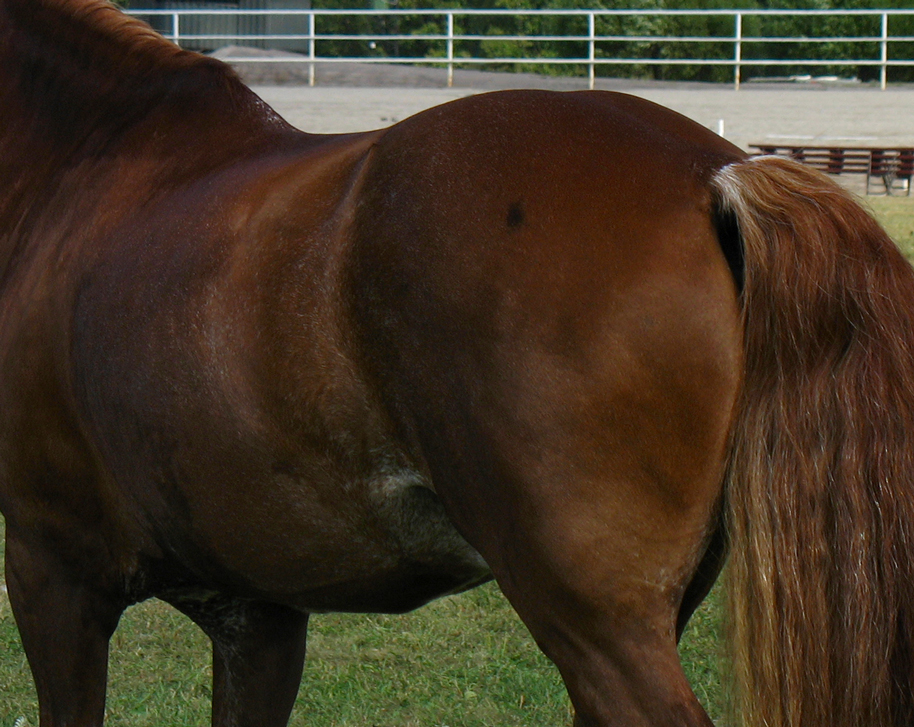
A horse coat pattern with white hairs at the tail and flanksNamed shade