Duke blue
A deep blue shade linked to Duke University’s identity and tradition
Duke blue is a very dark blue colour closely tied to Duke University. Its roots go back to the football team’s early uniforms, and today it is used in the university’s seal and branding, with both dark and lighter versions appearing in different contexts.
Share on WhatsAppOpen in the lab
- Duke blue is the darkest official blue used by Duke University
- The colour’s origins go back to the football team’s uniforms in 1888
- A lighter blue, Duke Royal Blue, is used for some athletic logos
- The official shade is similar to Prussian blue
What colour is Duke blue?
Duke blue is a deep, almost navy blue shade that stands out for its darkness and strong visual presence. It is most often seen in connection with Duke University, where it serves as a key part of the school’s visual identity. The colour is darker than many other university blues and is used to create a sense of tradition and unity.
Where does Duke blue come from?
The colour traces its beginnings to the late 1800s, when the football team at what was then Trinity College chose a dark, greyish blue for their uniforms. This choice was meant to echo Yale blue, as a nod to the college president who had studied at Yale. Over time, the university refined and formalised the shade, settling on a version similar to Prussian blue in the 1960s.
How Duke blue is defined
Duke blue is not a pigment or dye but a colour value defined for use in branding and design. The university specifies its exact shade for official materials, with the darkest version used for the seal and a lighter blue for athletics and other logos.
Where Duke blue is used
Duke blue appears on the university’s seal, academic gowns, and sports uniforms. The colour helps to visually link different parts of the university, from its official documents to its athletic teams. The lighter Duke Royal Blue is used for some logos, especially in athletics, while the darkest blue is reserved for the most formal uses.
Blue around the world
What the blue family means from country to country.
Lapis lazuli has been mined in the mountains of Badakhshan for more than six thousand years. Ground to powder it gave ultramarine, the costliest blue in European painting.
Royalty and powerSacred and holyAweSource: Lapis lazuliThe chadari is a full-length covering for women with a mesh panel over the eyes. In Kabul and the north it is most often a light blue.
Protection and healingSource: BurqaThe blue band of the flag stands for the wish of the Armenian people to live under peaceful skies. The red above it is for the highlands and the struggle to survive.
Politics and protestHopeSource: Flag of ArmeniaThe flag is sky blue, white and sky blue, created by Manuel Belgrano in 1812. National teams are called the Albiceleste, the white and sky blue.
Politics and protestPrideSource: Flag of ArgentinaBoca Juniors play in blue and gold. The club's story is that in 1907 it took the colours of the flag of the next ship into port, which was Swedish.
Festival and celebrationPrideSource: Boca JuniorsTo be true blue is to be honestly and loyally Australian. The phrase is older than the country, but Australians have made it their own.
Politics and protestTrustSource: True Blue (John Williamson song)Shades and relatives of Duke blue
There are several blues used by Duke University. The darkest is Duke blue, also called Duke Navy Blue. A lighter version, Duke Royal Blue, is used in some athletic branding. The original football uniforms had a greyish blue, and the colour was chosen to resemble Yale blue.
Colours that go with Duke blue
Harmonies are worked out from the value #00009C. Contrast ratios follow the WCAG 2 formula.
Questions people ask about Duke blue
What colour is Duke blue?
Duke blue is a very dark shade of blue, deeper than many other university blues and close to navy.
Where does the name Duke blue come from?
The name comes from Duke University, which adopted the colour for its identity and branding.
How did Duke blue originate?
It began with the football team’s uniforms in 1888, chosen to resemble Yale blue in honour of the college president’s alma mater.
Is there more than one Duke blue?
Yes, the university uses several blues, with Duke Navy Blue as the darkest and Duke Royal Blue as a lighter shade for athletics.
Good reading and sources
The facts on this page come from the Wikipedia article "Duke blue", written by its contributors and used under the CC BY-SA 4.0 licence, and from its Wikidata record (CC0). Rang rewrote the text in its own words, with AI assistance, and compares every page with the article to make sure no passage is copied. It may be reused under the same CC BY-SA 4.0 licence with a link back.
It may contain mistakes. The swatch is an approximation: named colours are not fixed standards, and every screen shows them a little differently. If something is wrong, tell us. Last refreshed 2026-10-03.
More of the blue family
All of blue
#0000FF
Blue
A primary colour seen in the sky and sea, used since ancient times in art and dyeBasic colour
#6A5DFF
Indigo
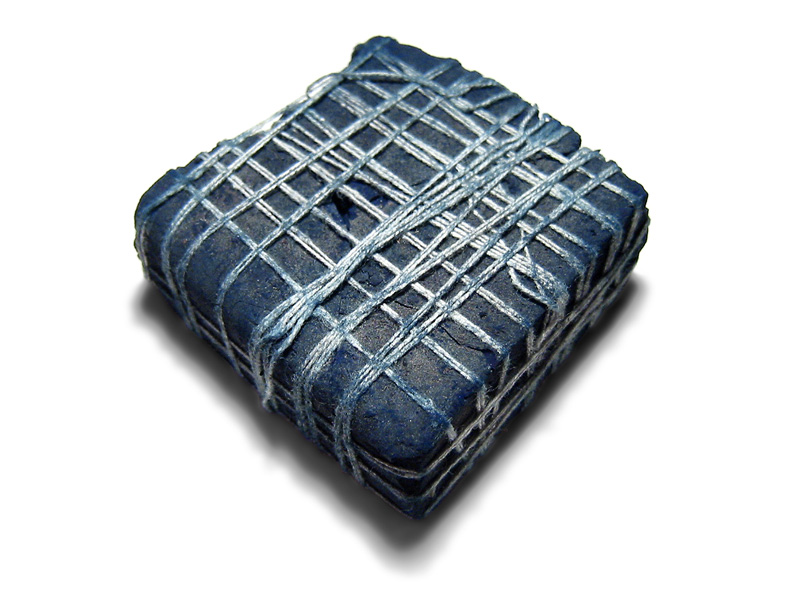
A deep blue named for the dye once exported from IndiaNamed shade · 🇮🇳 India +5
#120A8F
Ultramarine
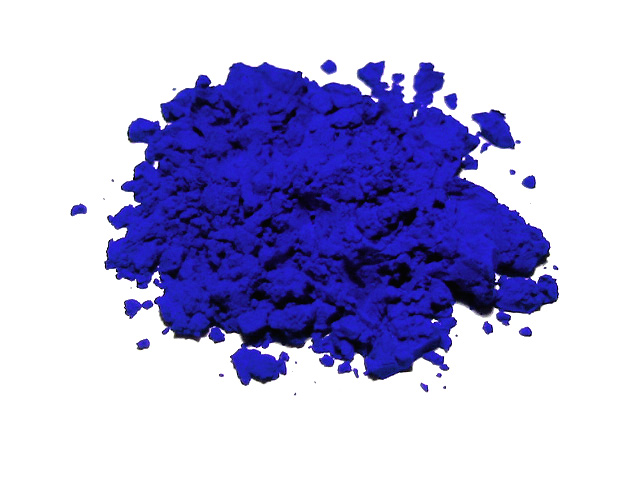
A deep blue pigment once made from lapis lazuli, prized for centuries in artPigment · 🇦🇫 Afghanistan +2

#007FFF
Azure
A clear sky blue, halfway between blue and cyan on the colour wheelNamed shade · 🇮🇹 Italy +2

#87CEEB
Sky blue
A light blue named for the colour of a clear daytime skyNamed shade · 🇦🇷 Argentina +5
#0047AB
Cobalt blue
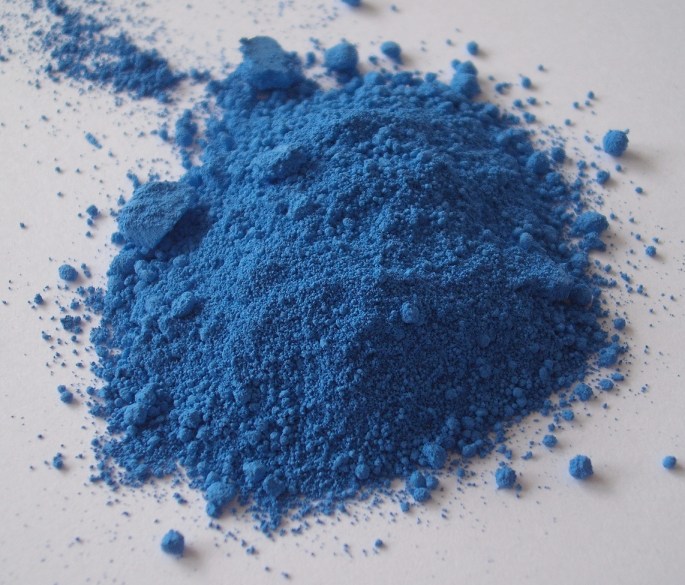
A strong, stable blue pigment made from cobalt and alumina since the early 1800sPigment · 🇫🇷 France +3

#000080
Navy blue
A deep blue shade named for the uniforms of the Royal NavyNamed shade · 🇺🇸 United States +2

#007BA7
Cerulean
A blue-green colour once made from cobalt stannate and linked with the skyNamed shade · 🇬🇧 United Kingdom