Sanguine
A dark blood-red stain used as a heraldic colour
No single value: Sanguine is a material, and its colour varies. The background shows its family, red.
Sanguine is a non-standard heraldic colour, known as a stain, with a deep blood-red appearance. It is darker than the usual red (gules) used in heraldry and is meant to resemble the colour of arterial blood. Sanguine is distinct from murrey, which is more purple, and should not be confused with brown or tenné.
- Sanguine is a non-standard heraldic colour called a stain
- It is darker than regular heraldic red (gules)
- Roundels of sanguine are known as guzes
- Latvia uses sanguine in its national coat of arms
- Sometimes associated with the gemstone jacinth
What colour is Sanguine?
Sanguine is a heraldic colour classed as a stain, which means it is not among the standard tinctures in heraldry. It is a dark red, meant to look like the colour of arterial blood. Sanguine is deeper and darker than the regular red (called gules) used in coats of arms, but it must stay red enough not to be mistaken for brown. Its unique shade sets it apart from both standard reds and other stains like murrey, which is more purple.
Where does Sanguine come from?
The name 'sanguine' comes from its resemblance to blood, specifically the bright red of arterial blood. In heraldry, stains like sanguine are non-standard colours, used less often than the main tinctures. Sanguine was once thought to be the same as murrey, but they are now seen as separate, with murrey being more purple. Latvia is noted as the only nation in Christendom to use sanguine in its national arms.
Where Sanguine is used
Sanguine appears in heraldic designs, especially in coats of arms and flags. It is used to colour specific elements, such as lions, quarters, supporters, and ribbons. In heraldic language, round shapes coloured sanguine are called guzes. Latvia's coat of arms features this colour, making it a notable example of its use at the national level.
What Sanguine means
There are no widely recorded symbolic meanings for sanguine in heraldry. However, in poetic associations, it is sometimes linked with the gemstone jacinth and the Dragon's head, though these are not standard heraldic meanings.
Red around the world
What the red family means from country to country.
The flag uses the four Pan-Arab colours: a red bar at the hoist with green, white and black bands. It was designed by a young Emirati, Abdullah Al Maainah, in 1971.
Politics and protestPrideSource: Flag of the United Arab EmiratesThe flag is a black double-headed eagle on red, the banner of the fifteenth-century hero Skanderbeg. Fans chant Kuq e Zi, red and black.
Politics and protestPrideSource: Flag of AlbaniaArmenian scribes painted manuscripts with vordan karmir, a crimson dye made from an insect that lives on the roots of grasses in the Ararat plain.
Sacred and holySource: Armenian cochinealUnder Juan Manuel de Rosas in the 1830s and 1840s, everyone had to wear a scarlet ribbon to show loyalty to his Federalist party. His enemies, the Unitarians, were tied to sky blue.
Politics and protestFearSource: Juan Manuel de RosasThe flag is red, white and red. Legend says Duke Leopold V's white tunic was soaked in blood at the siege of Acre, all but the band under his belt.
Politics and protestCourageSource: Flag of AustriaRed ochre is used in Aboriginal rock art and ceremony, and is traded over long distances. In the Aboriginal flag the red half stands for the earth and for that ochre.
Sacred and holyNature and renewalAweSource: Australian Aboriginal flagShades and relatives of Sanguine
Sanguine is often confused with murrey, but murrey is a darker purple, while sanguine is a deep red. It must also be distinct from tenné, which is a brownish-orange stain, and from standard red (gules), which is lighter. The careful distinction between these shades is important in heraldic art.
Questions people ask about Sanguine
What colour is sanguine in heraldry?
Sanguine is a dark, blood-red colour, deeper than the standard red (gules) and meant to resemble arterial blood.
Where does the name 'sanguine' come from?
The name 'sanguine' refers to its resemblance to the colour of blood, specifically arterial blood.
How is sanguine different from murrey?
Sanguine is a deep red, while murrey is a darker, more purple stain. They are now considered separate heraldic tinctures.
Where is sanguine used in national symbols?
Latvia is the only nation in Christendom that uses sanguine in its national coat of arms.
Good reading and sources
- Sanguine (tincture) on WikipediaEncyclopedia
- More pictures on Wikimedia CommonsPictures
- Wikidata recordOpen data
The facts on this page come from the Wikipedia article "Sanguine (tincture)", written by its contributors and used under the CC BY-SA 4.0 licence, and from its Wikidata record (CC0). everyrang rewrote the text in its own words, with AI assistance, and compares every page with the article to make sure no passage is copied. It may be reused under the same CC BY-SA 4.0 licence with a link back.
It may contain mistakes. The swatch is an approximation: named colours are not fixed standards, and every screen shows them a little differently. If something is wrong, tell us. Last refreshed 2026-10-03.
More of the red family
All of red
#E25822
Scarlet
A bright red with a touch of orange, long tied to power, sacrifice and sinNamed shade · 🇹🇷 Turkey +4

#E34234
Vermilion
A brilliant orange-red pigment, once made from toxic mercury orePigment · 🇹🇷 Turkey +5

#DC143C
Crimson
A deep red with a hint of purple, once made from insectsNamed shade · 🇳🇵 Nepal

#800000
Maroon
A deep brownish red named for the French word for chestnutNamed shade · 🇦🇺 Australia +4

#800020
Burgundy
A purplish dark red named after the wine region in FranceNamed shade · 🇫🇷 France

#B7410E
Rust
A deep reddish-orange named after the colour of oxidised ironNamed shade

#C41E3A
Cardinal
A strong, deep red linked to church robes and team coloursNamed shade
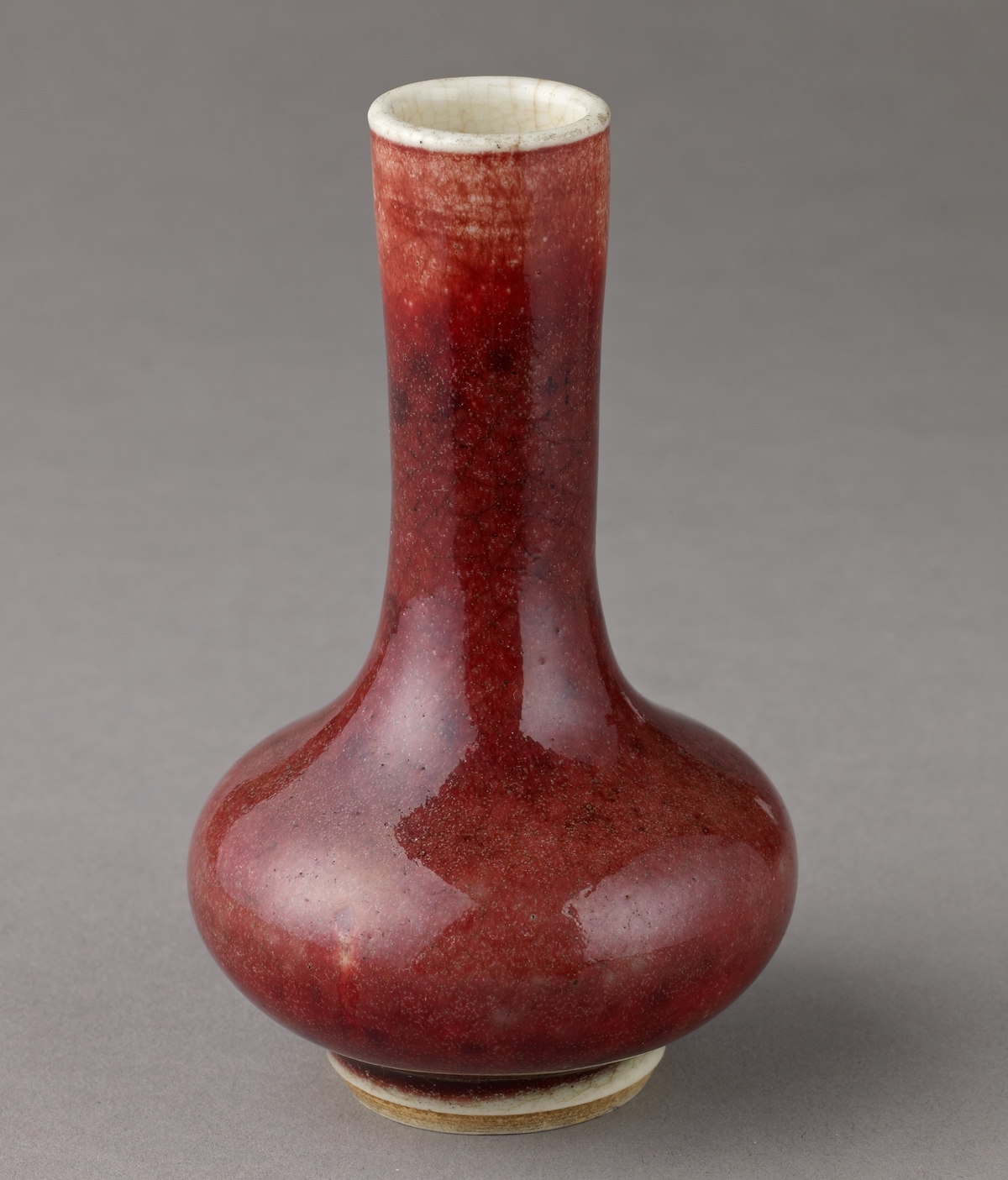
#4A0000
Oxblood
A deep, brownish red seen in ceramics, shoes and fashionNamed shade