NIVO
A dark grey-green finish once used on British night bombers

NIVO is a dark grey-green colour developed in 1918 for British night bomber aircraft. Its sheen was meant to resemble moonlit water, helping planes blend into the night. Used mainly between the world wars, it was phased out by the late 1930s after tests found it too reflective under searchlights.
Share on WhatsAppOpen in the lab
- Developed in 1918 for British night bombers
- Dark grey-green with a moonlit sheen
- Phased out by the late 1930s
- Known as Federal Standard 595 FS:34096
What colour is NIVO?
NIVO is a dark grey-green colour with a subtle sheen, designed to help aircraft blend into the night sky. It was used as an all-over finish on British night bombers between the world wars. The colour was chosen to match the look of open water under moonlight, making planes harder to spot from above or below.
Where does NIVO come from?
The name NIVO stands for Night Invisible Varnish Orfordness, referring to its purpose and the place where it was developed. Orford Ness, a site in the United Kingdom, housed the experimental station that created this finish in 1918. The varnish was introduced for use by the Royal Air Force on its night bombers.
How NIVO is defined
NIVO was a varnish finish, but the sources do not detail its exact chemical makeup. Its colour and sheen were carefully chosen to mimic the appearance of moonlit water, aiming for low visibility during night operations. The colour standard is now listed as FS:34096 in the Federal Standard 595 system.
Where NIVO is used
NIVO was applied to several British night bombers, including the Vickers Virginia, Handley Page Hyderabad, Hinaidi, Heyford, and Fairey Hendon. Its use began in 1918 and continued until the late 1930s, when it was discontinued after being found too reflective under searchlights. Later bombers, such as the Vickers Wellington, did not use NIVO.
Green around the world
What the green family means from country to country.
A green kerchief is the sign of the campaign for legal abortion. Huge crowds wore it in 2018, and the movement was called the green wave.
Politics and protestHopeSource: Green scarfGreen and gold have been the official national colours since 1984 and are worn by national sports teams. They echo the leaves and flowers of the golden wattle.
Festival and celebrationPrideSource: National colours of AustraliaA Test cricketer is given a dark green cap, the baggy green, on first playing for Australia. Many players wear the same faded cap for a whole career.
Festival and celebrationPrideSource: Baggy greenThe green field of the flag stands for the land and its rice fields. Many people also read it as the youth and vigour of the country.
Nature and renewalPolitics and protestHopeSource: Flag of BangladeshThe flag is white, green and red. The green band, which took the place of the blue in the Russian flag, is read as the country's forests and farmland.
Politics and protestNature and renewalSource: Flag of BulgariaThe green field of the flag is commonly said to stand for the forests. It was first the colour of the House of Braganza, the family of the first emperor.
Politics and protestNature and renewalPrideSource: Flag of BrazilShades and relatives of NIVO
NIVO is defined as Federal Standard 595 colour FS:34096. It is a specific shade of grey-green, and was sometimes confused with other military camouflage colours, but its sheen and particular tone set it apart.
Colours that go with NIVO
Harmonies are worked out from the value #404735. Contrast ratios follow the WCAG 2 formula.
Questions people ask about NIVO
What colour is NIVO?
NIVO is a dark grey-green shade with a slight sheen, designed to resemble open water under moonlight.
Where does the name NIVO come from?
NIVO stands for Night Invisible Varnish Orfordness, named after its purpose and the site where it was developed.
What was NIVO used for?
It was used as an overall finish on British night bomber aircraft between 1918 and the late 1930s.
Why was NIVO discontinued?
Tests in the 1930s showed that NIVO was too reflective when searchlights were used, so it was phased out.
Good reading and sources
The facts on this page come from the Wikipedia article "NIVO", written by its contributors and used under the CC BY-SA 4.0 licence, and from its Wikidata record (CC0). Rang rewrote the text in its own words, with AI assistance, and compares every page with the article to make sure no passage is copied. It may be reused under the same CC BY-SA 4.0 licence with a link back.
It may contain mistakes. The swatch is an approximation: named colours are not fixed standards, and every screen shows them a little differently. If something is wrong, tell us. Last refreshed 2026-10-03.
More of the green family
All of green
#00FF00
Green
The colour between cyan and yellow, seen widely in plants and natureBasic colour · 🇮🇪 Ireland +1

Green
Malachite
A banded green mineral and pigment once prized for art and decorationColour named from nature · 🇪🇬 Egypt +4

#808000
Olive
A dark yellowish green, like the colour of unripe olivesNamed shade
#50C878
Paris Green
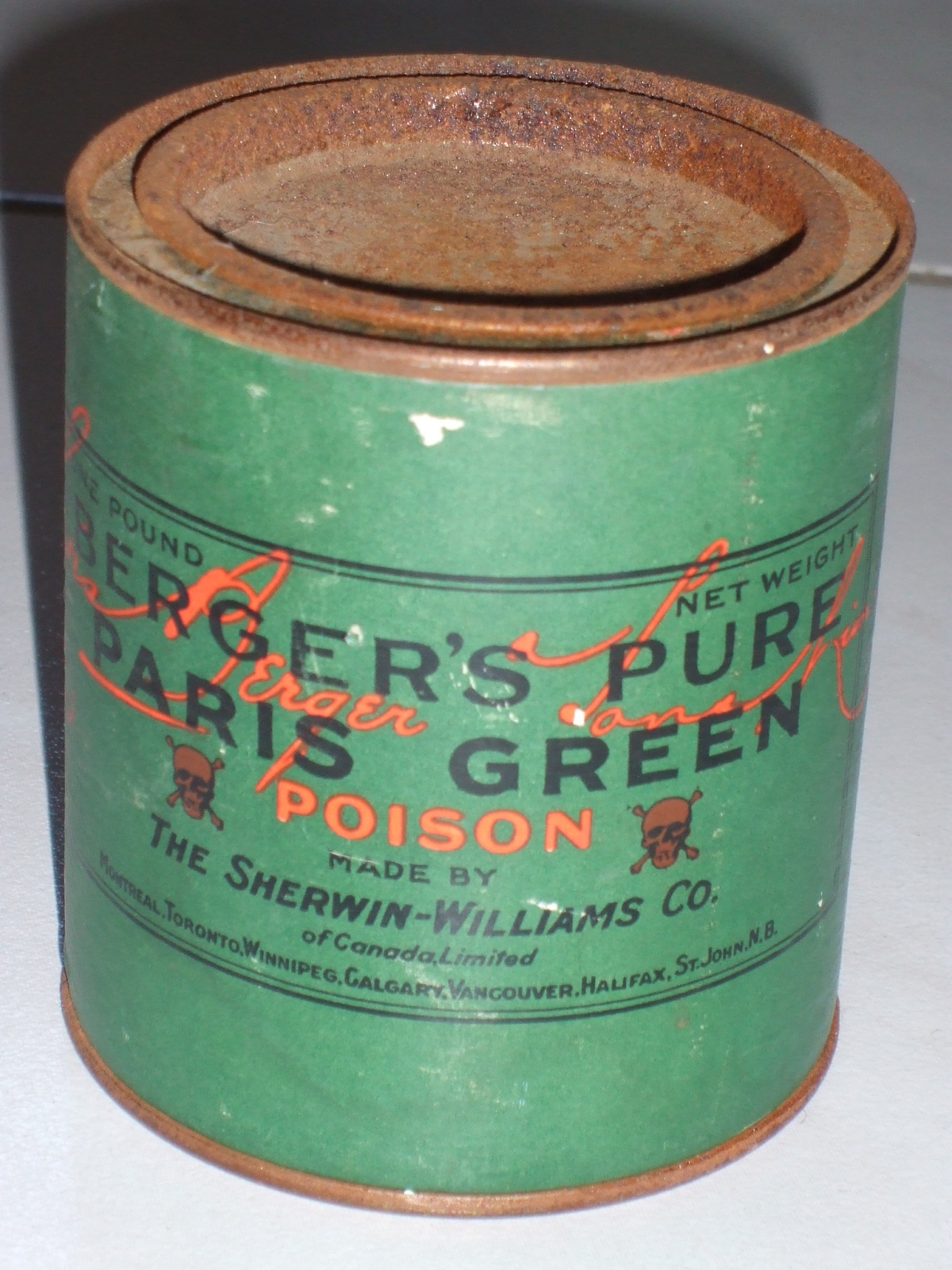
A toxic emerald-green pigment once prized in art and used as an early insecticidePigment · 🇩🇪 Germany +4

#BFFF00
Lime
A sharp yellow-green named for the skin of the lime fruitNamed shade

#80FF00
Chartreuse
A bright yellow-green named after a French liqueurNamed shade

#43B3AE
Verdigris
A historic bluish-green pigment formed on copper and used in art since antiquityPigment · 🇬🇷 Greece +1

Green
Celadon青瓷
A jade-green ceramic glaze prized in East Asian pottery for centuriesNamed shade · 🇨🇳 China +4