Yellow 2G
A synthetic yellow azo dye once used as a food colouring
No single value: Yellow 2G is a material, and its colour varies. The background shows its family, yellow.
Yellow 2G is a man-made yellow dye used to colour food, known by the code E107. It comes as a yellow powder that dissolves in water. This azo dye is not permitted in food in several countries and is not on the list of approved additives in the European Union.
- Yellow 2G is a synthetic azo dye for food use
- It is identified as E107 and CI 18965
- It appears as a yellow powder that dissolves in water
- Not approved as a food additive in the European Union
- Banned from use in several countries
What colour is Yellow 2G?
Yellow 2G is a bright yellow dye made through chemical processes. It is usually found as a powder and dissolves easily in water. Its main use has been to give foods a yellow shade. As a synthetic azo dye, it stands apart from natural yellow colourings, both in how it is made and in its regulatory status.
Where does Yellow 2G come from?
The name Yellow 2G comes from its place among other synthetic yellow dyes and its colour index number, CI 18965. It is also known by the food additive code E107. The dye is part of the azo group, a class of compounds known for their vivid colours and use in food and textiles.
How is Yellow 2G made?
Yellow 2G is produced through chemical synthesis, not from natural sources. As an azo dye, it is created by joining together certain chemical building blocks to form a compound that gives a strong yellow colour. It is made to dissolve in water, making it suitable for use in foods and drinks.
Where Yellow 2G is used
This dye has been used to add yellow colour to foods, especially processed products. Its water solubility makes it easy to mix into liquids and powders. However, its use is now restricted or banned in many places, so it is not widely found in food products today.
Yellow around the world
What the yellow family means from country to country.
The yellow disc of the Aboriginal flag is the sun, giver of life. The flag was designed by the Luritja artist Harold Thomas and first flown in Adelaide in 1971.
Sacred and holySource: Australian Aboriginal flagAt the gaye holud, held a day or two before a wedding, relatives rub turmeric paste on the bride and groom. Guests dress in yellow and orange.
Weddings and marriageFestival and celebrationJoySource: Gaye holudOn Pohela Falgun, the first day of spring, young women wear yellow and orange saris, a shade called basanti, with flowers in their hair.
Festival and celebrationNature and renewalJoySource: Pohela FalgunThe Flemish flag is a black lion on yellow, and the Walloon flag a red cockerel on yellow. The language communities are often shown by these colours.
Politics and protestPrideSource: Flag of FlandersThe flag is yellow, the colour of the Sultan. By custom, ordinary people did not wear yellow in the ruler's presence.
Royalty and powerPrideSource: Flag of BruneiThe national football team plays in a yellow shirt with green trim, the canarinho. It was chosen in a newspaper contest after the 1950 World Cup final was lost in white.
Festival and celebrationPrideJoySource: Brazil national football teamShades and relatives of Yellow 2G
Yellow 2G is one of several synthetic yellow dyes. It is sometimes confused with other yellow food colourings, but each has its own code and chemical structure. Its regulatory status also differs from other yellow dyes, with some being allowed in more countries.
Questions people ask about Yellow 2G
What colour is Yellow 2G?
Yellow 2G is a bright yellow dye, usually seen as a yellow powder that dissolves in water.
Where does the name Yellow 2G come from?
The name refers to its place among synthetic yellow dyes and its colour index number, CI 18965. It is also called E107.
What is Yellow 2G used for?
It has been used to colour foods, especially processed products, but is now banned or restricted in many countries.
Is Yellow 2G a natural dye?
No, it is a synthetic dye made through chemical processes, not from plants or minerals.
Is Yellow 2G allowed in food in the European Union?
No, it is not on the list of approved food additives in the European Union.
Good reading and sources
- Yellow 2G on WikipediaEncyclopedia
- More pictures on Wikimedia CommonsPictures
- Wikidata recordOpen data
The facts on this page come from the Wikipedia article "Yellow 2G", written by its contributors and used under the CC BY-SA 4.0 licence, and from its Wikidata record (CC0). Rang rewrote the text in its own words, with AI assistance, and compares every page with the article to make sure no passage is copied. It may be reused under the same CC BY-SA 4.0 licence with a link back.
It may contain mistakes. The swatch is an approximation: named colours are not fixed standards, and every screen shows them a little differently. If something is wrong, tell us. Last refreshed 2026-10-03.
More of the yellow family
All of yellow
Yellow
Turmeric
A golden yellow dye and spice from the rhizome of a tropical plantColour named from nature · 🇮🇳 India +5

Yellow
Tartrazine
A synthetic lemon yellow dye widely used in food, cosmetics and medicinesDye

#E49B0F
Gamboge
A strong yellow pigment tapped from Southeast Asian treesPigment · 🇰🇭 Cambodia +5

Yellow
Strontium chromate
A yellow pigment and corrosion inhibitor made from strontium and chromium compoundsPigment

Yellow
Anthoxanthin
A group of plant pigments ranging from white to yellow, used in foods and dyesPigment
Yellow
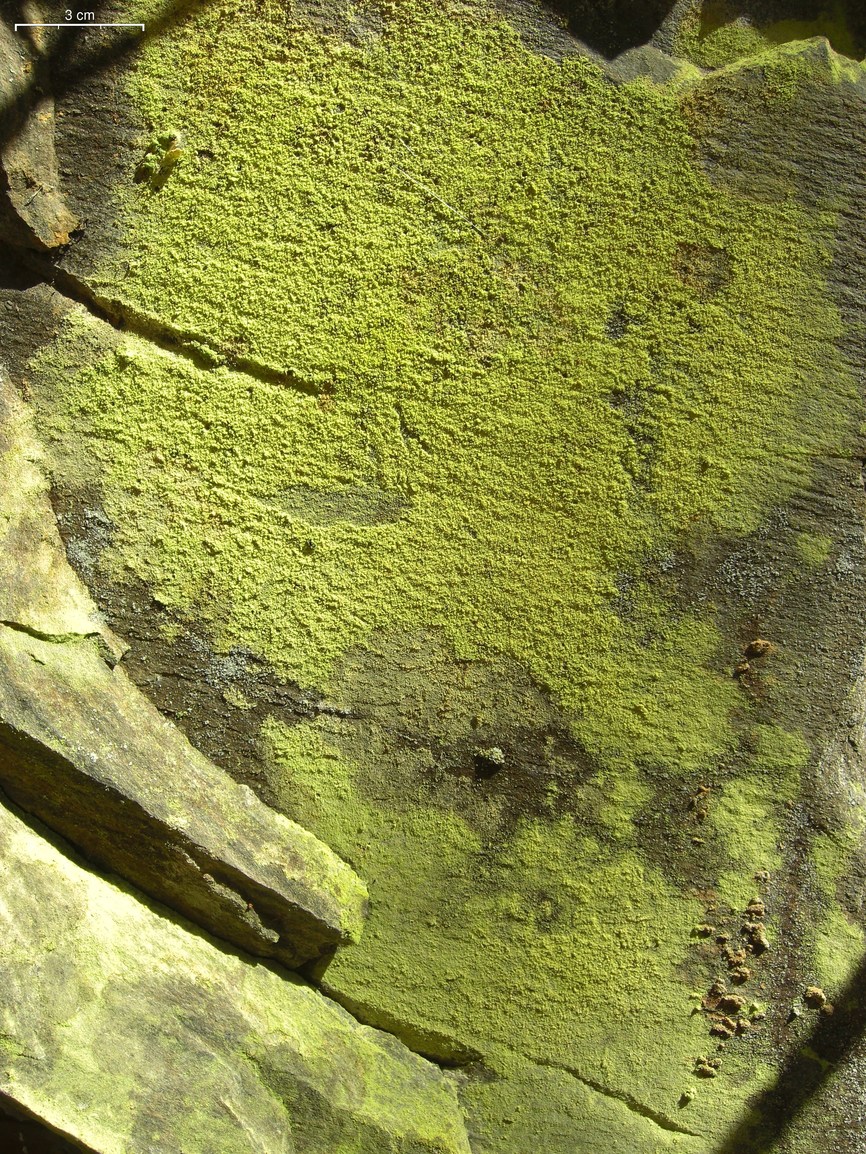
Chrysothrix chlorina
A yellow to yellow-green powdery lichen used as a dye in India and SwedenColour named from nature · 🇸🇪 Sweden +5
Yellow
Chrysophenine
A golden-yellow direct dye for textiles and biological stainsDye

Yellow
Saffronزعفران
A golden-yellow colour from the dried stigmas of the saffron crocus flowerColour named from nature · 🇮🇷 Iran +5