Chestnut
A medium reddish brown named after the nut of the chestnut tree

Chestnut is a medium reddish brown, taking its name from the nut of the chestnut tree. It is close to a very dark tan and is sometimes confused with Indian red, though the two are distinct. The colour has been used since at least 1555 and appears in nature, animal coats, and hair.
Share on WhatsAppOpen in the lab
- Named after the nut of the chestnut tree
- First recorded as a colour name in English in 1555
- Deep chestnut is a Crayola crayon colour
- Distinct from Indian red, though sometimes confused
- Seen in animal coats and human hair
What colour is Chestnut?
Chestnut is a medium reddish brown colour, named for its likeness to the nut of the chestnut tree. It sits between brown and red, and can also be seen as a very dark tan that almost appears brown. The colour is distinct from Indian red, though they are sometimes confused. Chestnut is seen in the natural world, such as in the coats of some animals and in human hair.
Where does Chestnut come from?
The word chestnut comes from the nut of the chestnut tree, which shares the same colour. The first known use of chestnut as a colour name in English dates back to 1555. The related colour maroon is also named after the chestnut, through the French word marron.

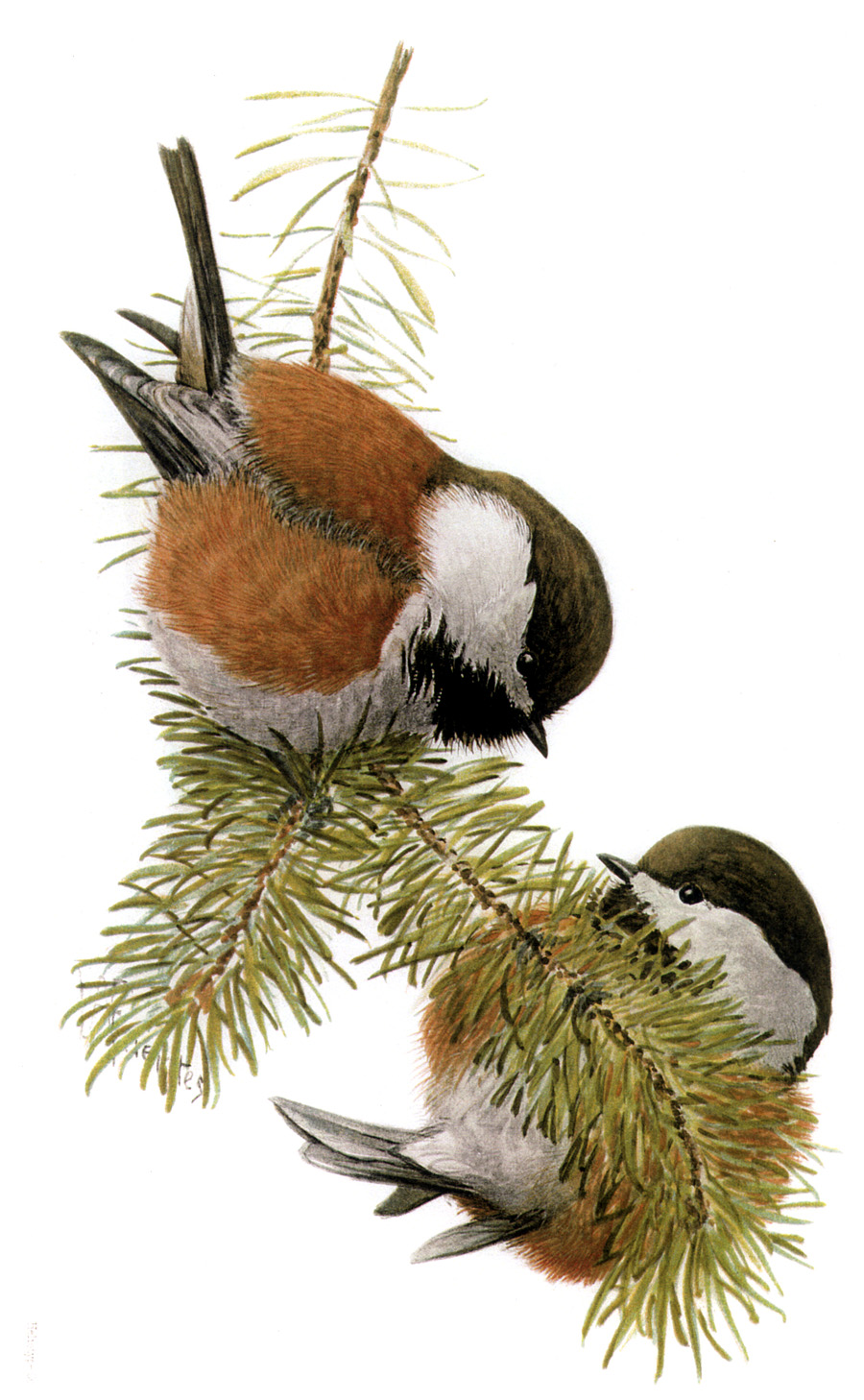
Where Chestnut is used
Chestnut appears in nature, including the coats of certain birds and animals, such as horses and the bongo. In human culture, chestnut is used to describe a shade of brown hair. The colour has also appeared in products like crayons, where 'deep chestnut' was used for a Crayola crayon, and the name 'chestnut' replaced 'Indian red' in 1999 to avoid confusion about its meaning.
Brown around the world
What the brown family means from country to country.
Brown is the colour of Nazism in German political speech, after the brown shirts of the party's stormtroopers. To call a view "brown" is to call it far right.
Politics and protestDanger and warningShameSource: SturmabteilungMasi is bark cloth beaten from paper mulberry and printed in brown and black. It is worn at weddings and funerals and given in ceremonial exchanges.
Sacred and holyWeddings and marriageSource: Tapa clothKuntunkuni is a dark brown mourning cloth of the Asante, dyed with tree bark. Adinkra cloth, stamped with symbols, was first made on such dark grounds for funerals.
Mourning and deathSadnessSource: Adinkra symbolsThe batik of the Javanese courts at Yogyakarta and Surakarta is dyed in soga brown with indigo and cream. Some court patterns were once reserved for the royal family.
Royalty and powerPrideSource: BatikBogolanfini, or mud cloth, is cotton painted with fermented river mud in browns, black and white. Hunters wear it for protection, and women after childbirth.
Protection and healingSacred and holySource: BògòlanfiniShades and relatives of Chestnut
Deep chestnut is a version of the colour used in Crayola crayons, and was once called Vermont maple syrup in a limited edition. Indian red is a similar colour but is a separate shade, based on an iron oxide pigment popular in India. Chestnut is also related to maroon, which is named after the French word for chestnut.
Colours that go with Chestnut
Harmonies are worked out from the value #954535. Contrast ratios follow the WCAG 2 formula.
Questions people ask about Chestnut
What colour is chestnut?
Chestnut is a medium reddish brown, similar to the colour of the nut from the chestnut tree. It can also appear as a very dark tan that almost looks brown.
Where does the name chestnut come from?
The name chestnut comes from the nut of the chestnut tree, which has a similar reddish brown colour. The term was first used for the colour in English in 1555.
Is chestnut the same as Indian red?
No, chestnut and Indian red are separate colours. Indian red is an iron oxide pigment popular in India, while chestnut is named after the chestnut nut and is a medium reddish brown.
Where is chestnut seen in nature?
Chestnut can be seen in the coats of some animals, such as horses and certain birds, as well as in human hair.
Good reading and sources
The facts on this page come from the Wikipedia article "Chestnut (color)", written by its contributors and used under the CC BY-SA 4.0 licence, and from its Wikidata record (CC0). Rang rewrote the text in its own words, with AI assistance, and compares every page with the article to make sure no passage is copied. It may be reused under the same CC BY-SA 4.0 licence with a link back.
It may contain mistakes. The swatch is an approximation: named colours are not fixed standards, and every screen shows them a little differently. If something is wrong, tell us. Last refreshed 2026-10-03.
More of the brown family
All of brown
#C3B091
Khaki
A light tan with a yellowish tinge, once made for military uniformsNamed shade · 🇮🇳 India +2

#F5F5DC
Beige
A pale, warm colour named after natural, undyed woolNamed shade · 🇫🇷 France +2

#704214
Sepia
A reddish-brown colour named for the ink of the cuttlefishNamed shade

#3D2B1F
Bistre
A dark brown pigment and colour made from soot, once used in Old Master drawingsPigment
#B87333
Copper
A reddish brown shade named for the metal it matchesNamed shade

#483C32
Taupe
A grey-brown shade named after the colour of a mole’s furNamed shade

#4A412A
Pantone 448 C
A dull brown shade chosen to discourage smoking by making packaging unattractiveStandard colour · 🇦🇺 Australia +5
#664228
Van Dyck brown
A deep, earthy brown once made from German peat and soilPigment · 🇩🇪 Germany