Bronze
A metallic brown shade named after the bronze alloy

Bronze is a metallic brown colour that looks like the bronze alloy. Its name first appeared in English in 1753. An older term for this colour is aeneous. Bronze is often linked with third place medals and awards.
Share on WhatsAppOpen in the lab
- Bronze is a metallic brown colour resembling the bronze alloy.
- The term 'bronze' as a colour was first used in English in 1753.
- An older name for this colour is 'aeneous'.
- Bronze medals are awarded for third place in competitions.
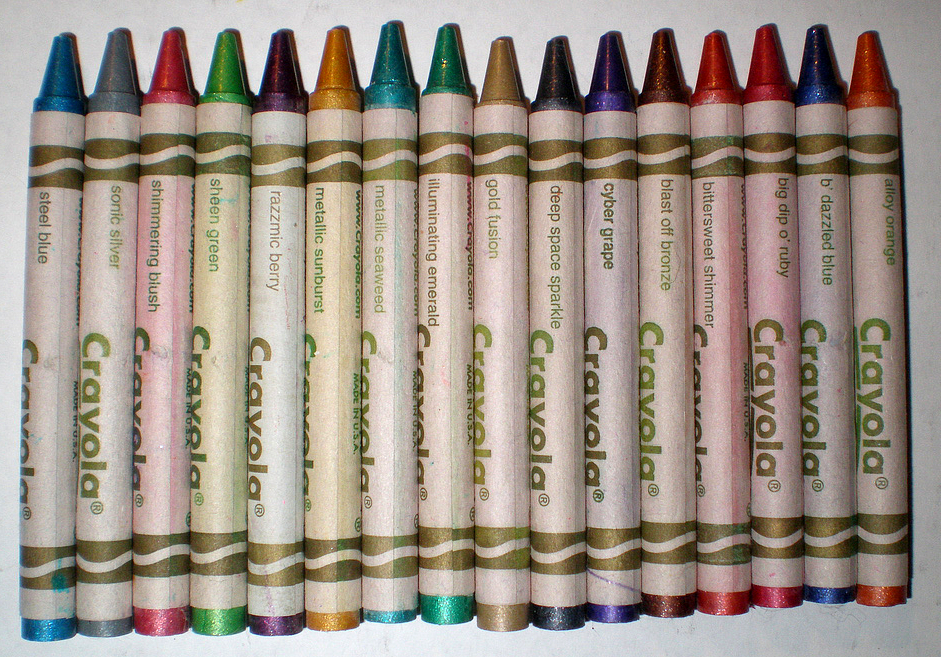
- Crayola created a 'blast-off bronze' crayon in 2001.
What colour is Bronze?
Bronze is a metallic shade of brown, closely matching the look of the bronze alloy. It stands out from other browns by its metallic sheen, which gives it a distinctive, slightly orange-tinged appearance. This colour is often seen in objects that are meant to resemble or evoke the metal itself, such as medals, statues, and decorative items.
Where does Bronze come from?
The name 'bronze' comes from the metal alloy of the same name. The first time 'bronze' was used to describe a colour in English was in 1753. An older word for this shade is 'aeneous'. The colour is meant to mimic the appearance of the alloy, which is made mainly from copper and tin.


Where Bronze is used
Bronze is widely used to represent third place in competitions, most notably in bronze medals. It is also chosen for statues, coins, and decorative finishes in architecture and art, where a metallic brown look is desired. The colour appears in design and livery to suggest strength and durability.
Brown around the world
What the brown family means from country to country.
Brown is the colour of Nazism in German political speech, after the brown shirts of the party's stormtroopers. To call a view "brown" is to call it far right.
Politics and protestDanger and warningShameSource: SturmabteilungMasi is bark cloth beaten from paper mulberry and printed in brown and black. It is worn at weddings and funerals and given in ceremonial exchanges.
Sacred and holyWeddings and marriageSource: Tapa clothKuntunkuni is a dark brown mourning cloth of the Asante, dyed with tree bark. Adinkra cloth, stamped with symbols, was first made on such dark grounds for funerals.
Mourning and deathSadnessSource: Adinkra symbolsThe batik of the Javanese courts at Yogyakarta and Surakarta is dyed in soga brown with indigo and cream. Some court patterns were once reserved for the royal family.
Royalty and powerPrideSource: BatikBogolanfini, or mud cloth, is cotton painted with fermented river mud in browns, black and white. Hunters wear it for protection, and women after childbirth.
Protection and healingSacred and holySource: BògòlanfiniShades and relatives of Bronze
There are several variations of bronze, including 'blast-off bronze', a shade created by Crayola for their Metallic FX crayon set in 2001, and 'antique bronze', first named as a colour in 1910. These variations differ in tone and intensity but all share the metallic brown character.
Colours that go with Bronze
Harmonies are worked out from the value #665D1E. Contrast ratios follow the WCAG 2 formula.
Questions people ask about Bronze
What colour is bronze?
Bronze is a metallic brown shade that looks like the bronze alloy, with a slight orange tint.
Where does the name 'bronze' come from?
The name comes from the metal alloy bronze, which is mainly made of copper and tin.
When was bronze first used as a colour name in English?
The first recorded use of 'bronze' as a colour name in English was in 1753.
What is an older term for bronze colour?
An archaic term for bronze as a colour is 'aeneous'.
What are some variations of bronze?
Variations include 'blast-off bronze', a Crayola crayon shade from 2001, and 'antique bronze', first named in 1910.
Good reading and sources
- Bronze (color) on WikipediaEncyclopedia
- More pictures on Wikimedia CommonsPictures
- Wikidata recordOpen data
The facts on this page come from the Wikipedia article "Bronze (color)", written by its contributors and used under the CC BY-SA 4.0 licence, and from its Wikidata record (CC0). Rang rewrote the text in its own words, with AI assistance, and compares every page with the article to make sure no passage is copied. It may be reused under the same CC BY-SA 4.0 licence with a link back.
It may contain mistakes. The swatch is an approximation: named colours are not fixed standards, and every screen shows them a little differently. If something is wrong, tell us. Last refreshed 2026-10-03.
More of the brown family
All of brown
Brown
Terracotta
A clay-based material and colour, known for its reddish-brown toneColour named from nature · 🇮🇳 India +4

#C3B091
Khaki
A light tan with a yellowish tinge, once made for military uniformsNamed shade · 🇮🇳 India +2

#F5F5DC
Beige
A pale, warm colour named after natural, undyed woolNamed shade · 🇫🇷 France +2

#704214
Sepia
A reddish-brown colour named for the ink of the cuttlefishNamed shade

#8A3324
Umber
A natural brown pigment from earth, valued for its warmth and versatility in artPigment · 🇨🇾 Cyprus +2

#3D2B1F
Bistre
A dark brown pigment and colour made from soot, once used in Old Master drawingsPigment

#E97451
Sienna
A reddish-brown earth pigment named after the city of Siena in ItalyPigment · 🇫🇷 France
#B87333
Copper
A reddish brown shade named for the metal it matchesNamed shade