Making colour
Plant dyes: indigo, madder, turmeric and henna
Blue from indigo leaves, red from madder root, yellow from turmeric, orange-brown from henna. Four plants that coloured the world.
Presented by ClearTrust Free for designers, students and the curious.
Until the 1850s nearly all cloth was dyed with plants. A handful mattered most. Indigo gave blue, madder gave red, and a long list of plants gave yellow, of which turmeric is the best known in South Asia. Henna stained skin and hair. India grew or traded all four, and the English word indigo comes from the Greek for Indian.
Indigo
Indigo comes from the leaves of Indigofera plants, which contain no blue at all. The leaves are soaked and fermented to release a colourless substance, and the liquid is then beaten so that air turns it into blue indigo, which settles as sludge and is dried into cakes. To dye, the indigo is dissolved again in a vat with the oxygen removed. Cloth comes out yellowish green and turns blue in the air. Other plants yield the same dye: woad in Europe, and dyer's knotweed in Japan. Kano in northern Nigeria has dye pits centuries old.
Madder and the reds
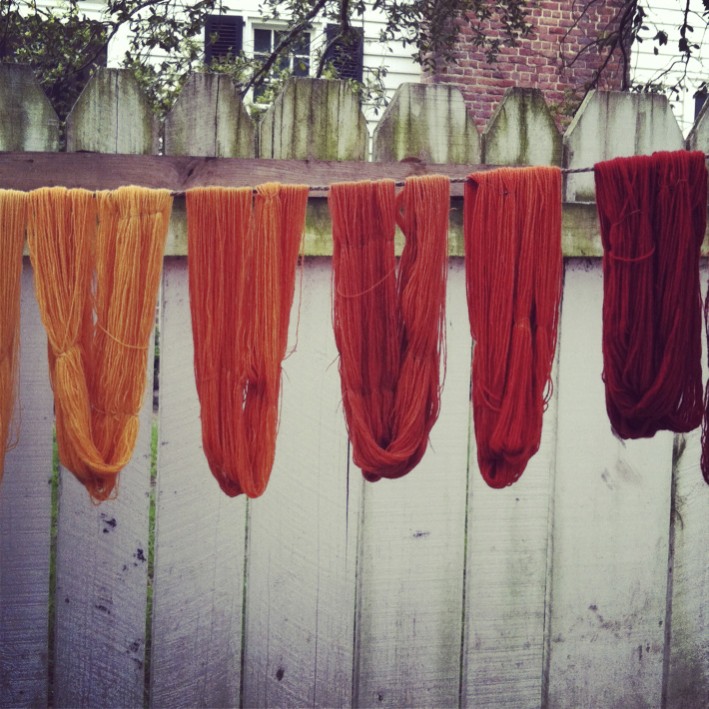
Madder is a scrambling plant whose roots contain alizarin, a red dye. With the right treatment it gives pinks, reds, purples and browns on cotton. Indian dyers used a close relative, manjistha, and the roots of the aal tree, and their skill with mordants produced the bright washable cottons that Europe called chintz. A long, many-step process using oil and alum gave an especially strong shade known in Europe as Turkey red. Madder was grown from the Netherlands to Turkey and Central Asia, where it colours most old carpets.
Turmeric and henna
Turmeric, the ground root used in cooking, dyes cloth a bright yellow with no fixing agent. The colour fades quickly in sunlight and turns red in contact with soap or lime, so it has been used mainly for cloth meant for ceremonies, and for the robes of some monks. Henna leaves, dried and ground to a paste, stain skin, nails and hair orange to deep brown. The paste is applied as mehndi before weddings and festivals across South Asia, the Middle East and North and East Africa. The stain lasts a week or two.
Colours on this page
Sources and further reading
- Natural dye on Wikipedia
- ColourLex: Indigo
- Getty Publications: The Matter of Madder in the Ancient World
- Natural History Museum, London: The henna plant
Original text by the Rang desk, written with AI assistance and checked against the sources above. Meanings of colour vary from place to place and person to person. If we have something wrong, tell us.