Making colour
Animal dyes: cochineal, Tyrian purple and lac
Crimson from a cactus insect, purple from sea snails, red from a tree-dwelling bug. Rare, laborious and once worth fortunes.
Presented by ClearTrust Free for designers, students and the curious.
A few of the most prized dyes in history came from animals. Cochineal, a red from an insect that lives on cactus, was one of the most valuable exports of the Spanish empire. Tyrian purple, from Mediterranean sea snails, was reserved for emperors. Lac, from an insect of Indian forests, gave red dye and also shellac. Cochineal and lac are still farmed.
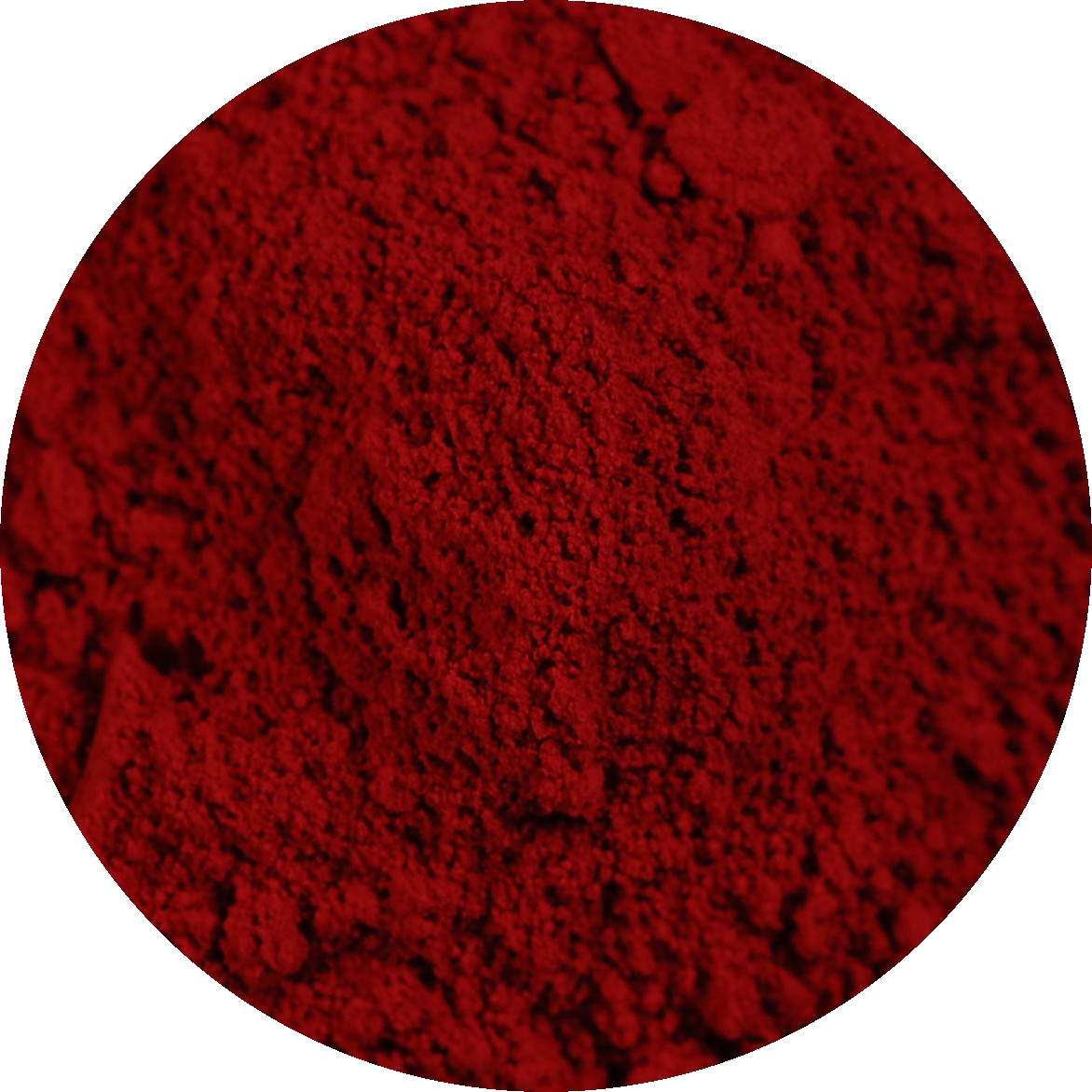
Cochineal
The cochineal insect lives on prickly pear cactus in Mexico and the Andes. The females contain carminic acid, a deep red. Zapotec, Mixtec and Inca dyers raised the insects long before the Spanish arrived, brushing them off the cactus pads and drying them. It takes tens of thousands of insects to make a pound of dye. Shipped to Europe from the 1500s, cochineal gave a stronger red than anything known there. It is still used, listed as carmine or E120, in lipstick, sweets, yoghurt and drinks. Peru is the main producer.
Tyrian purple
The Phoenicians of Tyre and Sidon, in what is now Lebanon, made a purple dye from the glands of murex sea snails. Each snail gives a drop of clear fluid that turns purple in sunlight. The chemist Paul Friedländer, working in 1909, needed about twelve thousand snails to obtain 1.4 grams of pure dye. The colour did not fade, and wool dyed with it sold for its weight in silver or more. Roman and Byzantine law limited its use to the highest ranks. Great heaps of broken shells still mark the old dye works.
Lac and kermes
The lac insect lives in crowds on the twigs of certain trees in India and South-East Asia and covers itself in a resin. Scraped off and washed, the resin gives a crimson dye. What is left becomes shellac, used as varnish and to coat sweets and pills. The Sanskrit name, laksha, is the source of the words lac, lake and lacquer. A liquid red called alta, traditionally made from lac, is painted on the feet of brides and dancers in Bengal and Odisha. Kermes, from an insect on Mediterranean oaks, gave Europe its crimson before cochineal.
Colours on this page
Also part of it, and being written: Cochineal.
Sources and further reading
- Carmine on Wikipedia
- Wired: You Know What Makes Great Food Coloring? Bugs
- BBC Culture: Tyrian purple, the regal colour taken from mollusc mucus
- Cooksey, Tyrian Purple: 6,6'-Dibromoindigo and Related Compounds (2001)
- Online Etymology Dictionary: lac
Original text by the Rang desk, written with AI assistance and checked against the sources above. Meanings of colour vary from place to place and person to person. If we have something wrong, tell us.